October 2026 News Bulletin
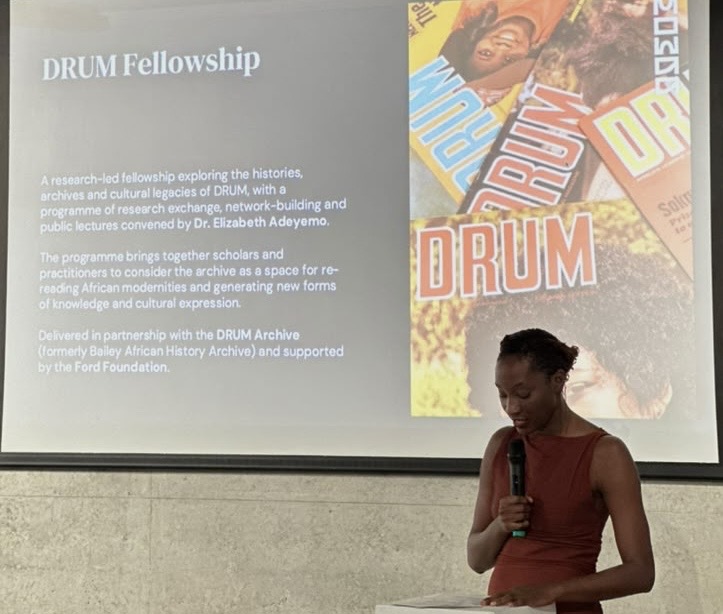
DRUM Magazine at MOWAA: Activating the Archive
This November, as Lagos enters its art season, MOWAA will explore the legacy of DRUM magazine through ongoing work to activate the archive and bring its histories into conversation with contemporary artistic and intellectual practice.
Through a series of public lectures, installations and events, MOWAA will draw on DRUM’s rich legacy to consider the role of archives in shaping how African modernisms are understood, the importance of West African archival histories, and the enduring possibilities of pan-African cultural exchange.
Stay tuned as we announce MOWAA’s programme for Lagos Art Week and our line-up of public lectures affiliated with our recently launched DRUM Fellowship initiative.
Curator's Corner
Nigeria Imaginary: Colloquium
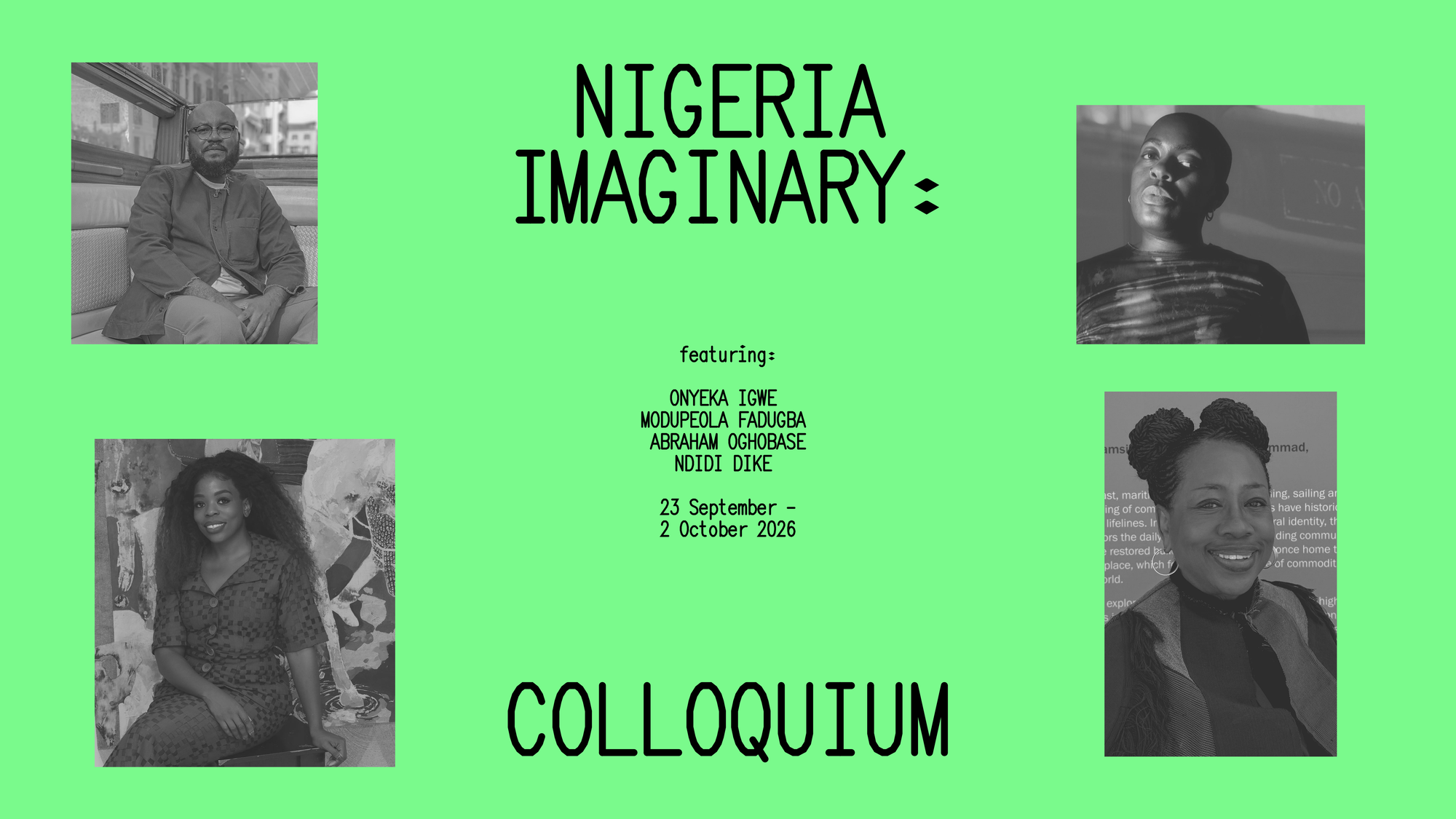
In September, MOWAA hosted its Nigeria Imaginary Colloquium, a new seminar series presented as part of MOWAA’s digital programming, bringing together artists from Nigeria Imaginary: Homecoming for a set of in-depth, public conversations about their practice and process.
A deliberate nod to the colloquium tradition established by FESTAC ’77 and the earlier Congress of Negro Writers and Artists, the series created a space where art and ideas married. Each session traced the trajectory of a featured artist’s work from ideation to realisation, exploring the materials, archives, methodologies and conceptual frameworks that inform their practice.
Onyeka Igwe’s talk explored the possibilities and limitations of colonial archives and oral history while illuminating her process for No Archive Can Restore This Chorus of (Diasporic) Shame while Modupeola Fadugba’s talk explored the intersections of research, material experimentation and socially engaged practice for The People’s Algorithm. In an exploration of land, colonial history and knowledge production, Abraham Oghobase’s talk assessed the evolution of his photographic practice from documentary impulse towards abstraction, and Ndidi Dike’s talk touched on slavery, extraction and postcolonial power, bringing to the fore how decades of research informed her work Blackhood: A Living Archive.
The colloquium continues MOWAA’s commitment to creating platforms for artists to share not only their work, but the research, processes and ideas behind it. The first panel series of its kind, we look forward to expanding our digital programmes and creating new opportunities to engage with the ideas and practices shaping contemporary art across Africa and its diasporas.
Research & Residencies
DRUM Magazine: Archive, Modernity and Public Life
Complementing MOWAA’s DRUM Fellowship, we are hosting a series of lectures and conversations exploring African archives, histories and cultural production. Held as part of MOWAA in Residence at the G.A.S. Foundation, the programme brings together scholars and practitioners to consider how archives can inform contemporary understandings of African modernity.
The DRUM Fellowship and lecture series are supported by the Ford Foundation, in collaboration with the Drum Archive.
At once an archive, cultural platform and tastemaker, DRUM magazine captured the emergence of a new postcolonial modernity through its images, stories and representations of everyday life across sub-Saharan Africa. Exploring this, MOWAA hosted a conversation with Professor Lesley Cowling, Coordinator of the Journalism programme at the University of the Witwatersrand in Johannesburg, moderated by Dr Elizabeth Adeyemo, Convenor of the DRUM Fellowship and MOWAA’s Collections Lead.
The conversation explored how the magazine shaped public discourse and ideas about modern African society, reflecting on its editorial philosophy and significance within public life in South Africa as well as the questions it raises for contemporary audiences today.
Whose History: Working with African Archives
In collaboration with the G.A.S. Foundation, MOWAA hosted a public lecture by Professor Toyin Falola, the Jacob and Frances Sanger Mossiker Chair in the Humanities and Distinguished Teaching Professor at the University of Texas at Austin.
Held at the home of the John and Sue Picton Archive, the lecture considered how African archives can be approached as living resources for interpretation, agency, and the production of knowledge, drawing on Professor Falola’s extensive work in decolonialsing African histories and epistemic value.
The event was moderated by Oludamola Adebowale, Founder and Creative Director of ASIRI Magazine, with introductory remarks from Ore Disu, MOWAA Institute’s Director.
Present Tense: A Critical Practice Residency
How have African artists and cultural practitioners shaped and been shaped by the international art world? Who determines whose work is seen, interpreted and memorialised?
Through Present Tense: Africa at the Biennale, MOWAA invites African practitioners to explore these questions, taking the Venice Biennale as a starting point. Framed around the ideas of presence and presentation, the residency examines the histories and gaps in African participation, alongside the curatorial, critical and institutional practices that ultimately define its representation. Through independent research and mentorship, two residents will develop original writing that brings new perspectives to the histories and ongoing conversations surrounding contemporary African art.
The residency begins in Florence, Italy this October, in partnership with The Recovery Plan, an artist-led centre for Afro-descendant cultures, before moving to Venice for the 61st Venice Biennale, In Minor Keys, conceived by the late Koyo Kouoh. The residents are Danish-Ivorian curator Awa Konaté, and Ghanaian artist and spatial designer, Lauren-Loïs Duah. With support from the Mellon Foundation, their research and immersion will be guided by Justin Randolph Thompson, artist, co-founder of Black History Month Florence and co-Director of The Recovery Plan.
This residency programme is funded by the Mellon Foundation.
Heritage Hub
Remembering Sungbo’s Eredo: The Future of an Ancient Landscape
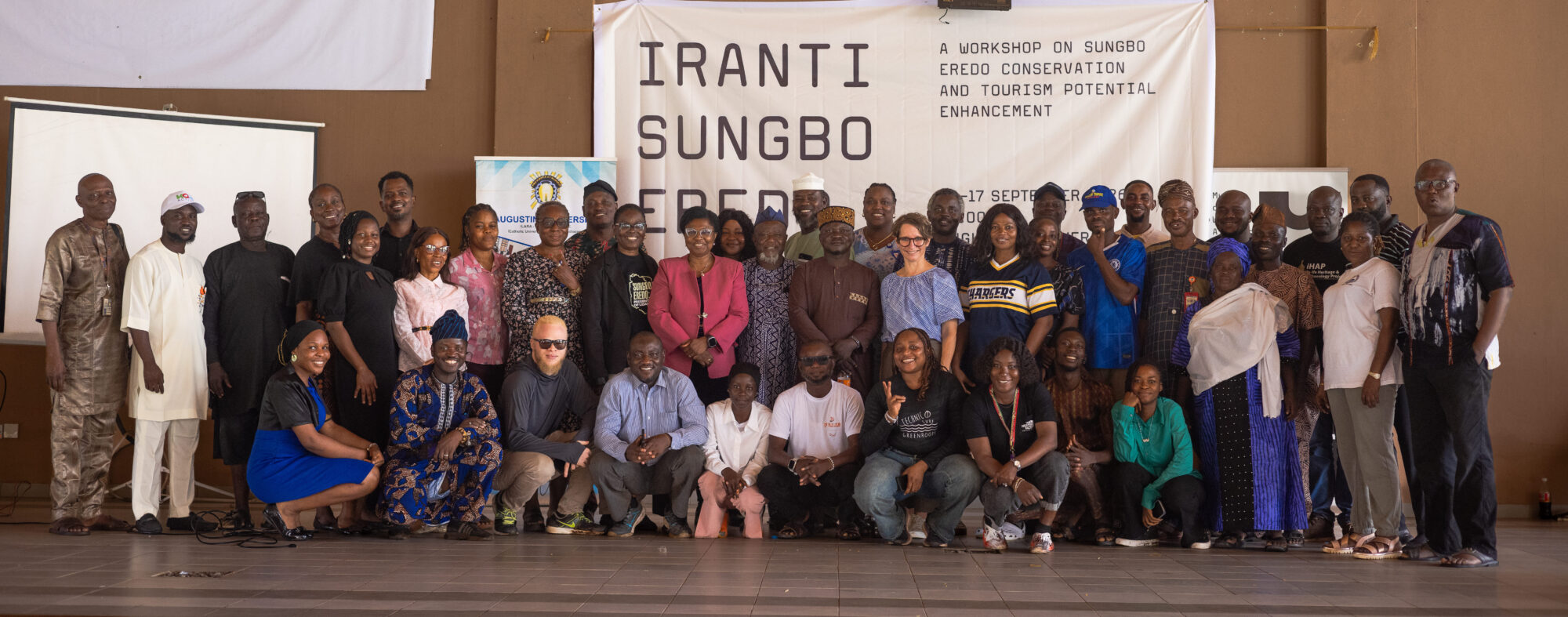
On 16th-17th September, MOWAA co-hosted Iranti Sungbo Eredo – a research-led workshop at Augustine University in Ilara-Epe, Lagos State, bringing together researchers, heritage practitioners and custodians to shape the interpretation and conservation practices of Sungbo's Eredo, a remarkable 160-km system of ancient earthworks spanning south-west Nigeria. Iranti, meaning remembrance in Yoruba, foregrounds the importance of community memory, oral tradition and indigenous knowledge in understanding and safeguarding the landscape.
Organised with the Ife-Sungbo Foundation, Augustine University and the Alara of Ilara, the workshop forms part of MOWAA’s Earthern Heritage in Southern Nigeria project, funded by the Mellon Foundation. Discussions and site visits informed plans for practical conservation measures and a community-led visitor trail, which MOWAA will develop with the Eredo Community, in collaboration with the Sahara Centre, Cyark and Nigeria’s cultural agencies, towards a planned opening in 2027.
Extending MOWAA’s Expertise in Heritage Care
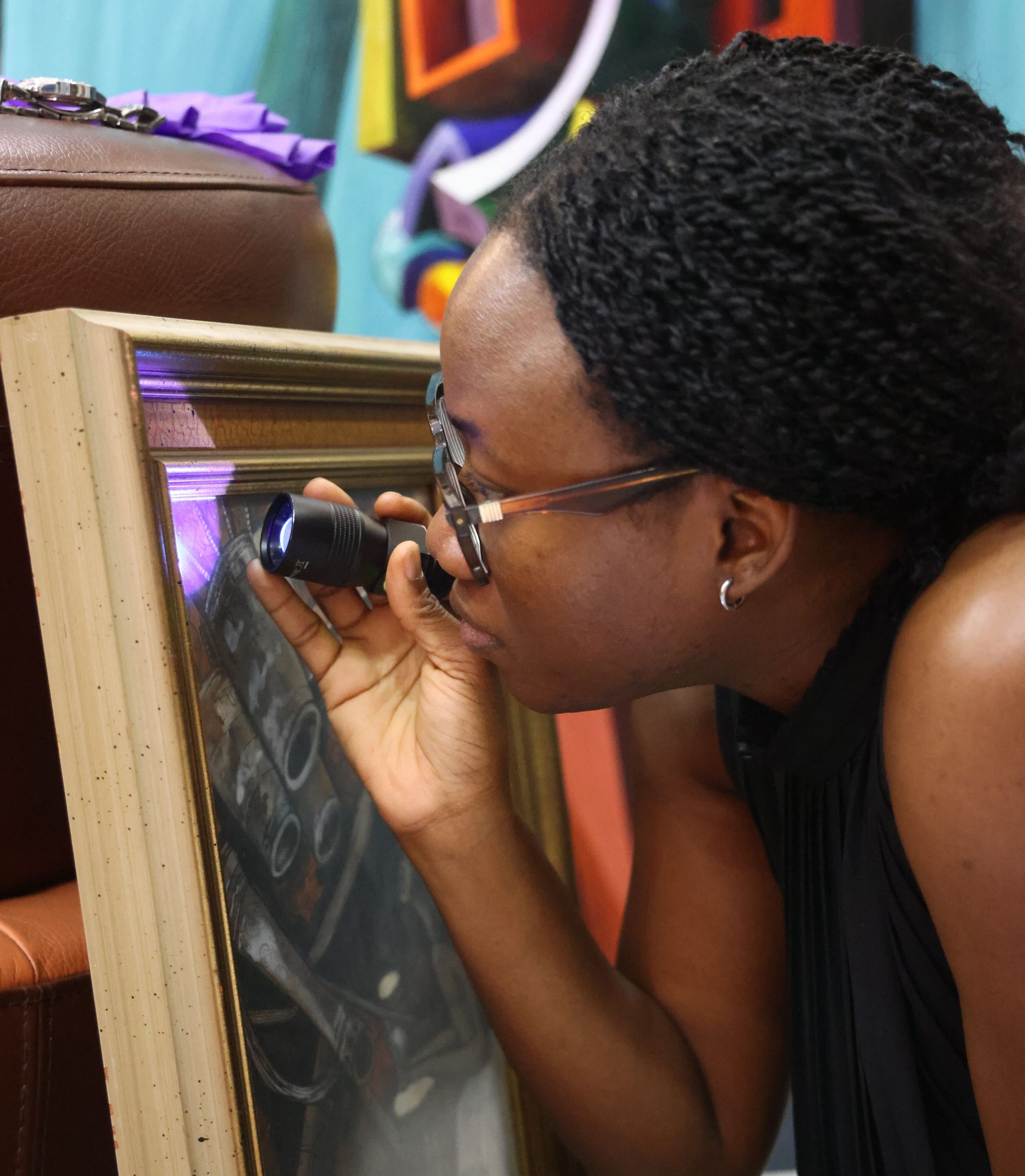
As part of our commitment to strengthening the ecosystems that support cultural heritage, MOWAA is expanding access to its specialist services, facilities, technical expertise and research capabilities through MOWAA Services.
MOWAA now offers tailored services across fine art storage, art conservation, collections management, archaeological science and heritage services. This professional support draws on the Institute’s multidisciplinary teams and purpose-built facilities, bringing together climate-controlled storage and conservation treatment for both contemporary collections and historical material, with archaeological science laboratories and digital surveying technologies. We work with museums, collectors, developers and heritage organisations, catering to their needs from our campus to their doorsteps.
From the long-term care of private collections to site-specific archaeological monitoring and advanced analysis of artworks and archaeological materials, MOWAA Services extends the Institute’s work beyond its walls, supporting responsible stewardship, research and preservations across Africa and internationally.
Explore MOWAA Services.
Connection & Collaboration
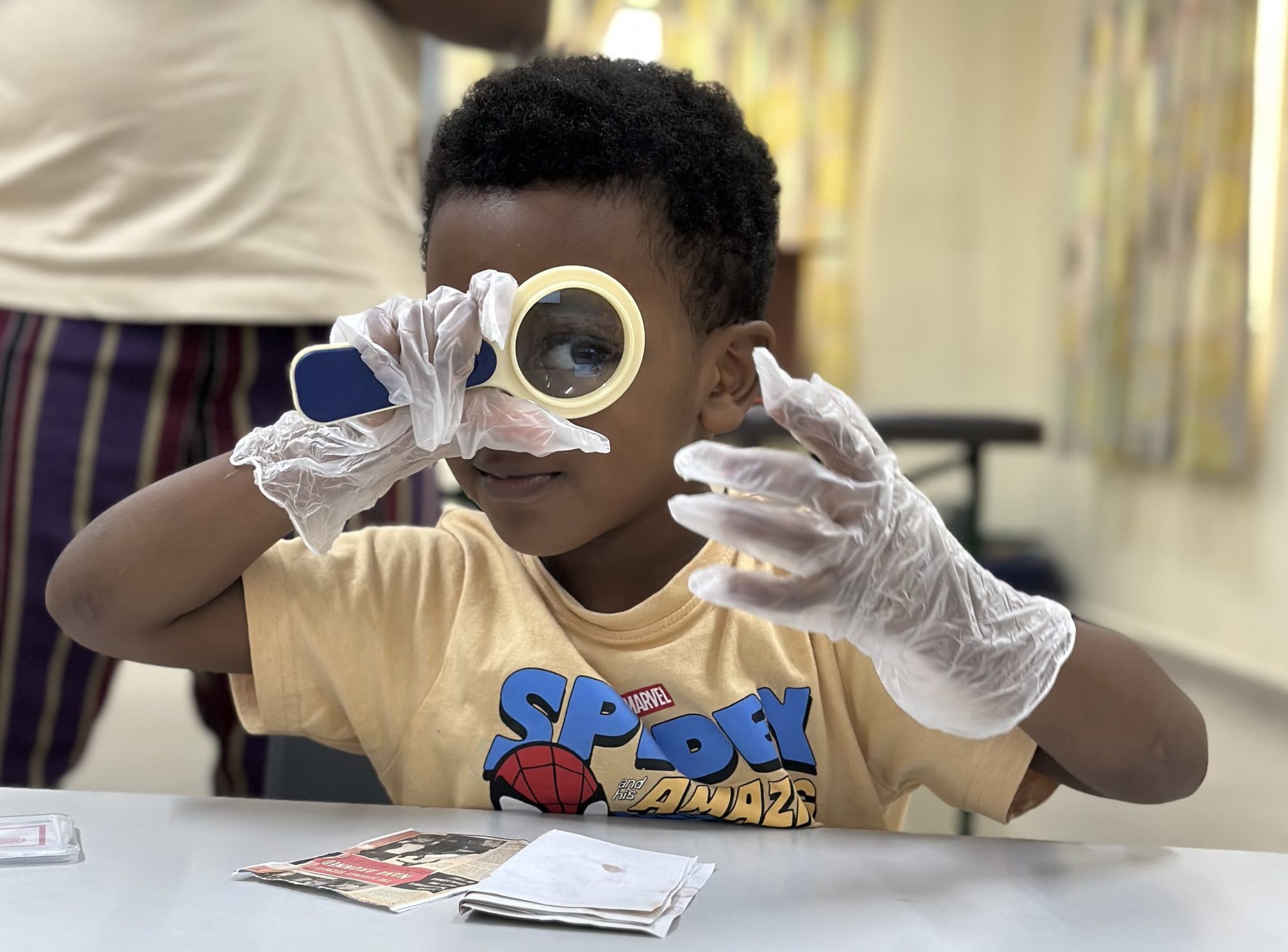
MOWAA Roots Summer School
This summer, MOWAA welcomed young learners and their families for the first edition of MOWAA Roots Summer School, an eight-day programme bringing art, culture and heritage to life through making, storytelling, music, science, and play.
Across the programme, participants discovered MOWAA’s work in archaeology and conservation and explored West African plants in the Science Lab; created art inspired by renowned African artists and traditional practices including bead-making and Aso-oke weaving in the Artists’ Courtyard; and explored Nigerian folklore and the power of storytelling under the Iroko Tree.
In Rhythm Roots, young audiences learned about traditional West African instruments and created their own songs, while the Discovery Zone offered a hands-on journey through traditional games, puzzles and reading, encouraging curiosity, exploration and independent thinking.
Drawing on African traditions of intergenerational exchange, MOWAA Roots also brought families into the experience. Parents were invited each Friday to see what their children had been creating, discovering and learning throughout the week.
We are grateful to our partners at Greensprings School, young learners and families who made the inaugural MOWAA Roots Summer School possible.
People at MOWAA
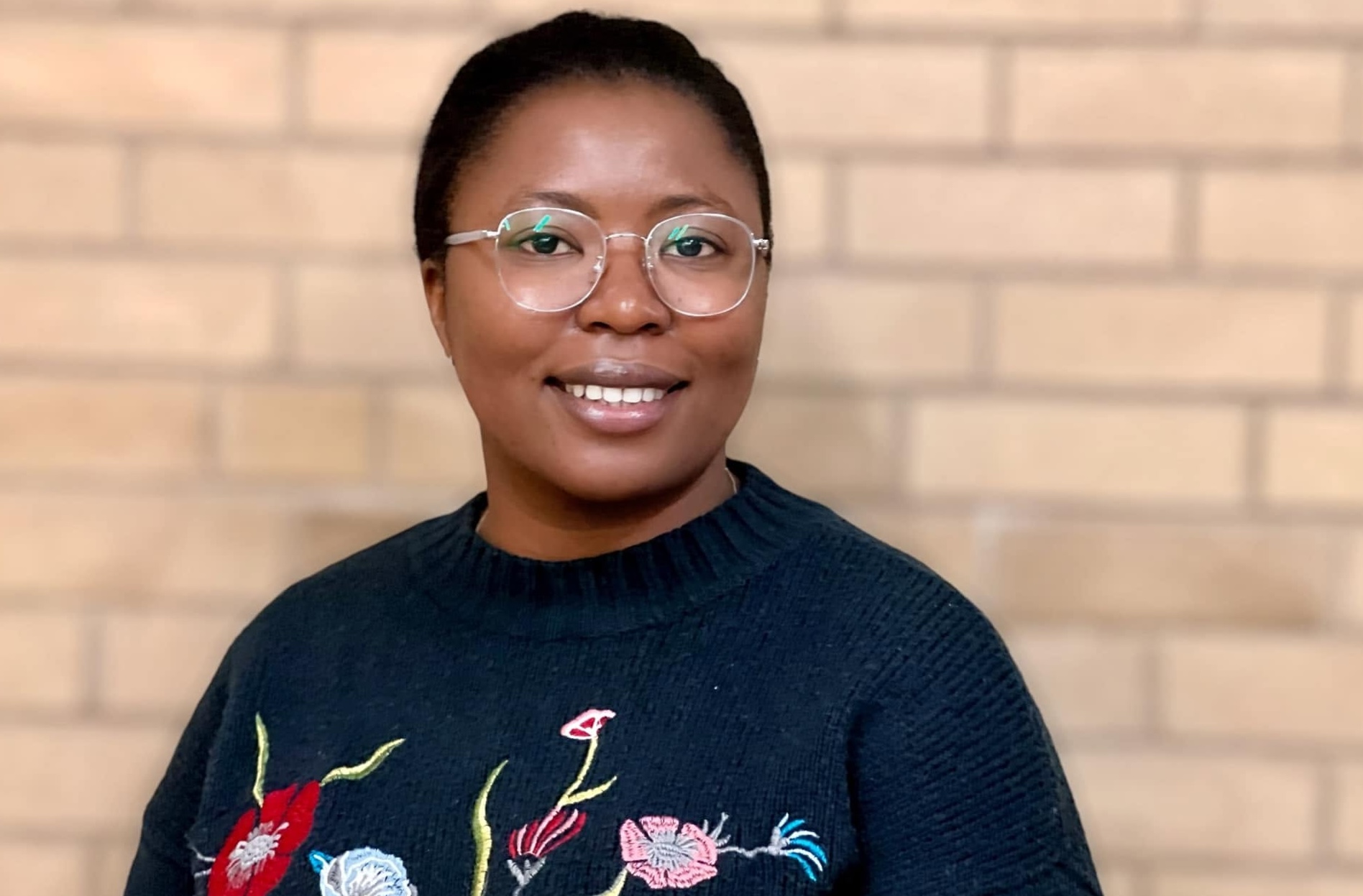
Elizabeth Adeyemo
Dr Elizabeth Adeyemo, MOWAA’s Head of Collections, has been elected as an International Institute for Conservation (IIC) Fellow, an internationally recognised distinction honouring her outstanding contributions to the conservation profession. This prestigious recognition celebrates her professional excellence, leadership and sustained commitment to the care and understanding of cultural heritage, as well as her contribution to advancing the global conservation community.
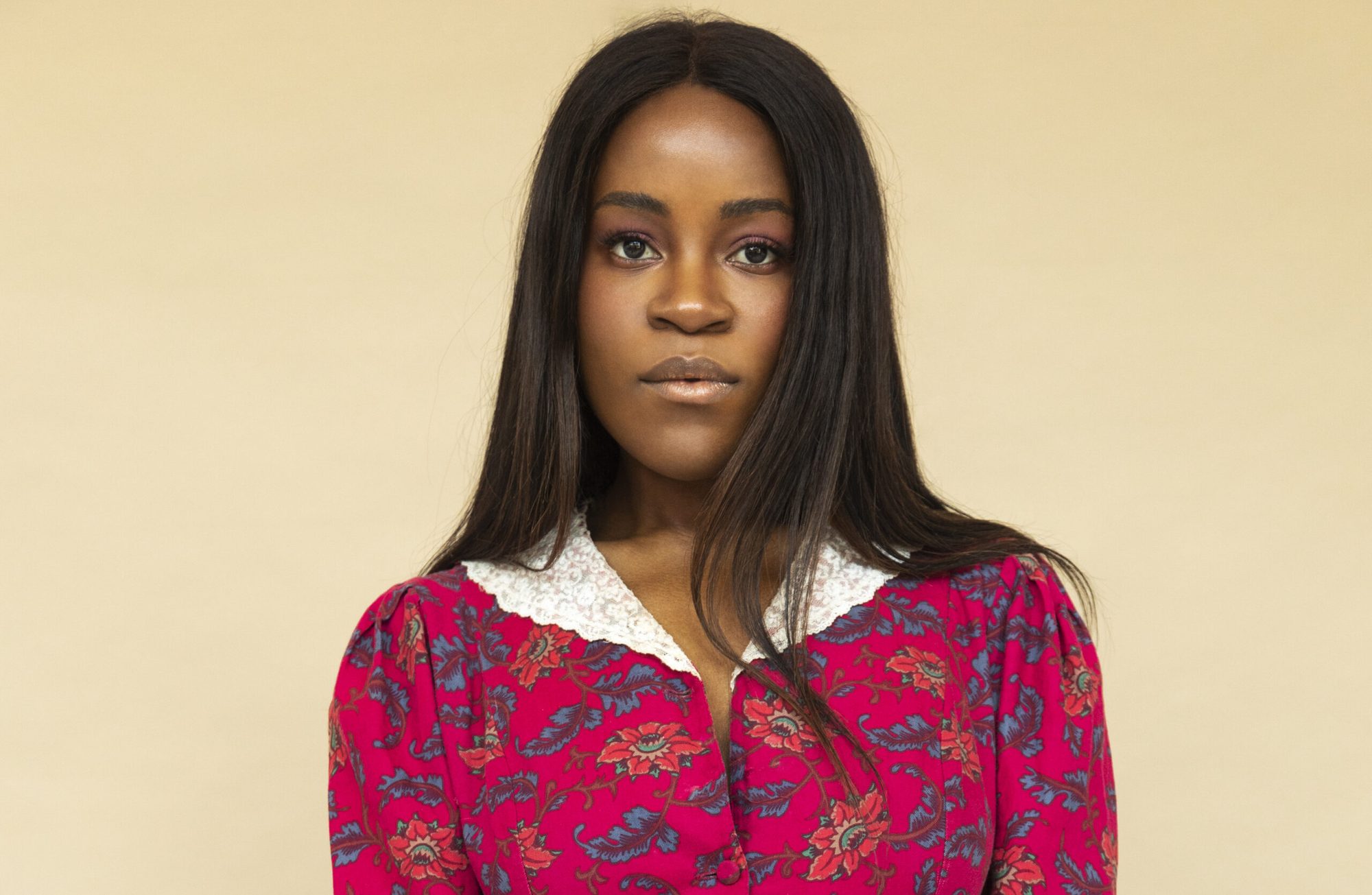
Aindrea Emelife
MOWAA is pleased to announce that Aindrea Emelife, Head of Curatorial, has been appointed the 2027 Curatorial Resident at The Metropolitan Museum of Art’s Leonard A. Lauder Research Center for Modern Art. As part of her residency, Emelife will undertake research towards a forthcoming major exhibition at MOWAA, taking FESTAC ’77 as a catalyst to examine Nigerian modernism and its connections across the Black world.