Mary Osaretin Omoregie – MOWAA Listening Sessions Voices of The Commons
WHOSE HERITAGE, WHOSE STORIES: A NOTE ON THE MOWAA LISTENING SESSION.
By Mary Osaretin Omoregie
What if museums were to begin with the obligation to listen, not with the authority to speak, by actively holding space. Such an act requires shifting power away from central curatorial control, making room for voices often labelled marginal. It calls for a reimagining of audiences not as abstract publics, but as knowledge-bearing participants whose relations to heritage are lived, contested, and unevenly mediated. Listening then becomes a form of resistance against extractive visibility, challenging the institutional impulse to over-explain, or universalise.
Still, listening is never free from influence. It unfolds within material and structural constraints that shape whose voices are sustained and to what depth that engagement can occur. To hold space for audiences requires navigating the subtle balance between care and compromise, where the ethics of representation become inseparable from the practical realities of museum-making. Often, the resonance of an exhibition lies not in what it reveals, but in what it allows to remain partially, deliberately, and powerfully unheard.
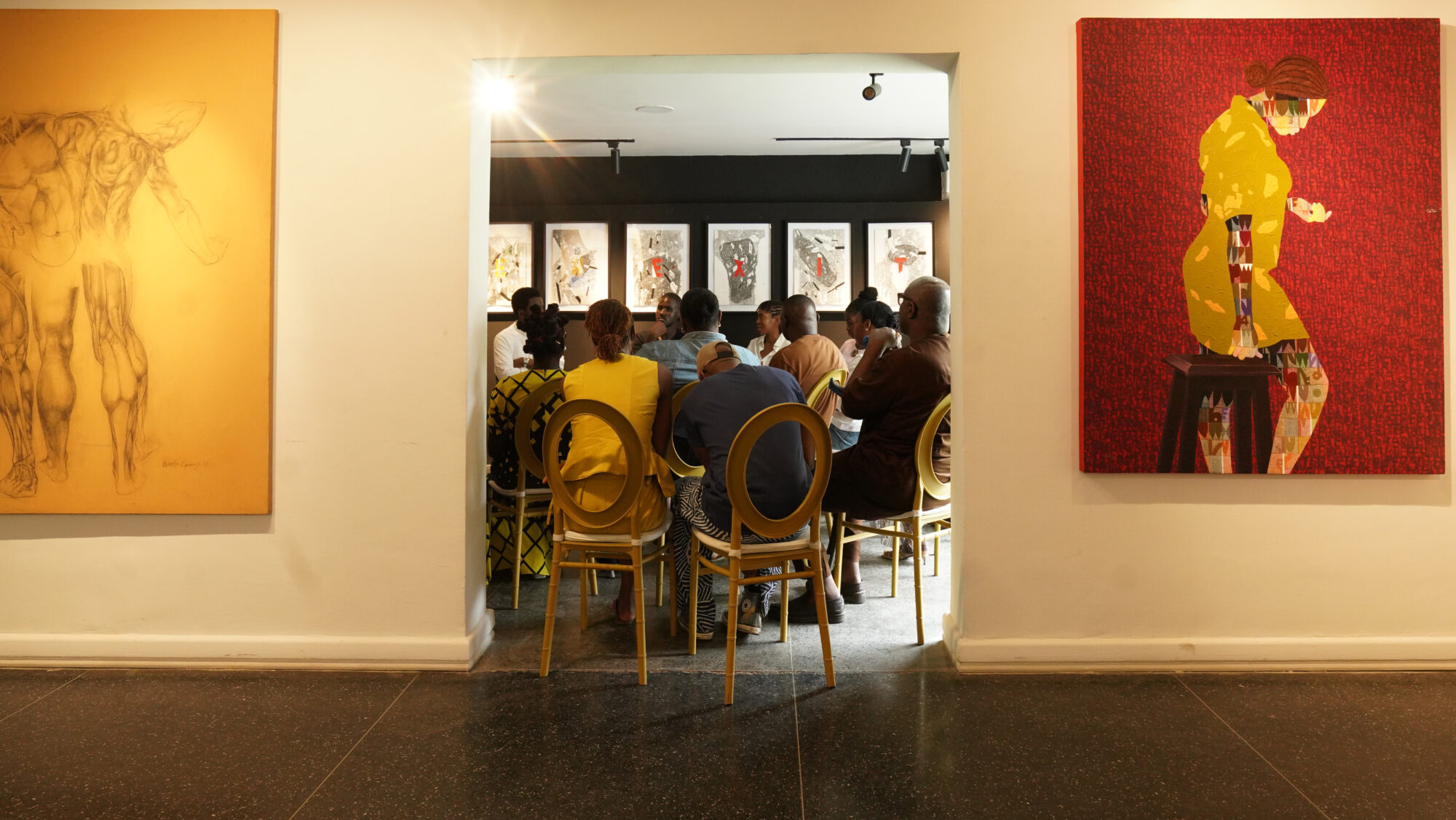
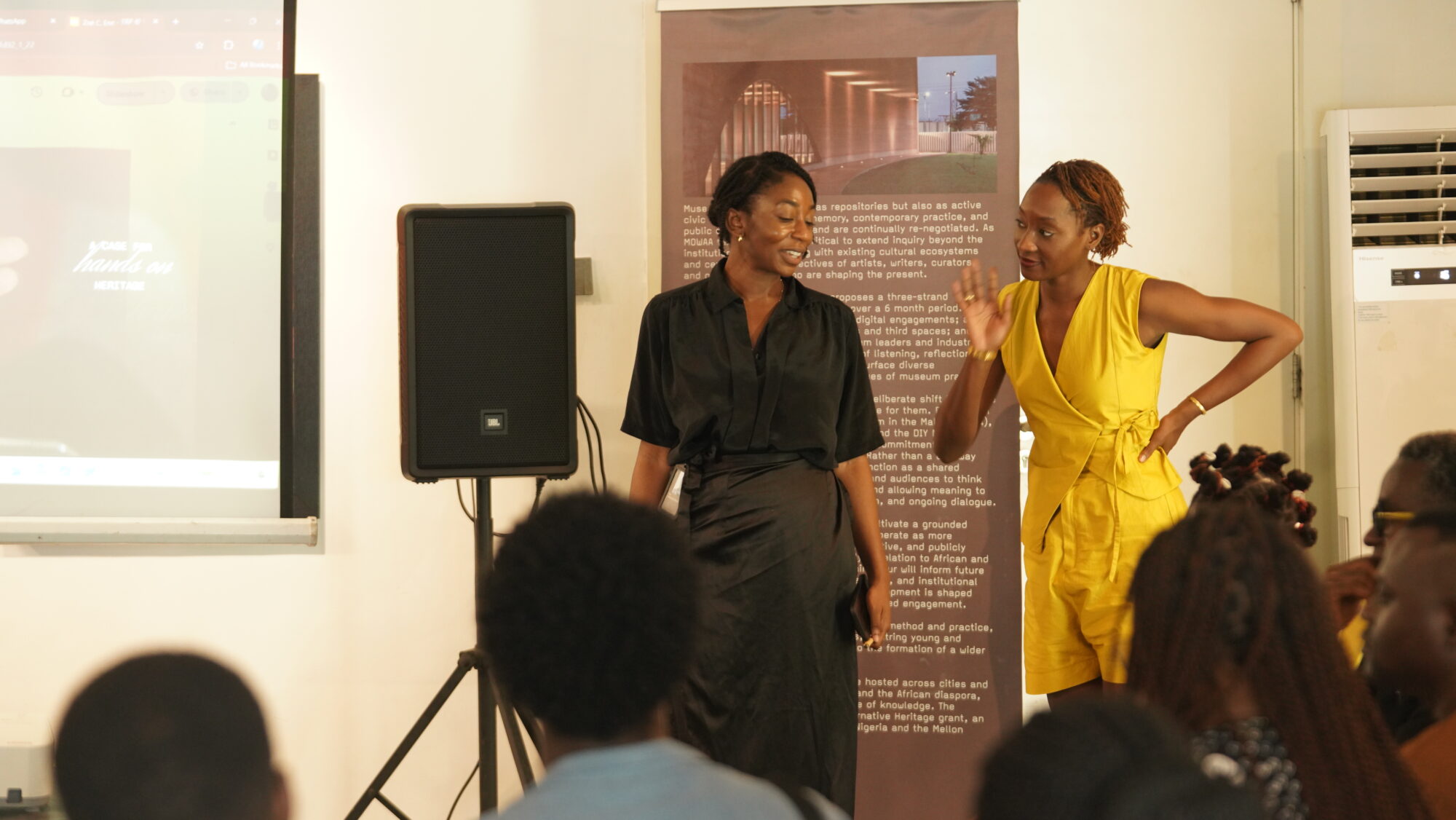
In March 2026, the Museum of West African Art (MOWAA) hosted an intimate peer gathering, an exercise in institutional introspection that foregrounded listening as both a method and a process. The programme featured two workshops facilitated by Folakunle Oshun and Papa Omotayo, whose provocations invited both reflection and discomfort. Two questions, in particular, made me introspect: “Who gazes upon our culture? Who’s gaze is more important?-Is it the foreign gaze or how we see ourselves?” Also, “What do you hold in your hands, not in terms of art, but also in terms of agency- how much have you shaped culture?”
These questions offered more than rhetorical provocation; they became mirrors through which one might consider the nature of institutional legacy, heritage, agency, and accountability. They pressed me to think about how African museums apprehend themselves, how their self-conception determines what they choose to preserve, display, or silence. Suppose MOWAA disappeared tomorrow, what would its absence reveal about the dependencies and desires within the artistic ecosystem it inhabits?, that is, would its missing presence expose needs, longings in its immediate art space? Whose gaze, in the end, would it have served?
On the conversation of the economics of exhibition-making, which was facilitated by Papa Omotayo, I would say, as MOWAA continues to grow into an independent critical space, it must also confront a difficult paradox- how to interrogate the colonial roots embedded in its funding and structure while remaining attentive to the people whose stories and heritage it represents. This tension between autonomy and obligation, scrutiny and entanglement, shapes what ethical museum practices look like today.
As part of the programme’s intentional framework, Zoe Chinoso Ene facilitated an interactive session centred on her ongoing research, The Replica Project, currently evolving within the context of her PhD.
Complementing this intellectual exchange were evocative performances by Benita Oseremi Obajuobalo (The Museum of My Becoming) and Joseph Omoh Ndukwu (The Museum of Memory), both members of the Collective founded by MOWAA’s Alumnus-Resident Inua Ellams. Their poems grew from an exercise inviting emerging poets to gather the things they love and listen to. This further shows MOWAA’s commitment to critical engagement and multidimensional storytelling within the museum space.
I think it is a beautiful idea to have held listening sessions; beyond this, it was a moment saturated with reflection. The participants were nudged to shift how they and the institutions they represent stand in future history.
The gathering was ultimately an experiment in reorientation. It asked participants, including MOWAA itself, to practice the humility of listening not as a performative gesture but as a sustained ethical stance. It was a beautiful, thoughtful encounter that left much to ponder about the future of West African museum practice and the politics of cultural stewardship.
Museums begin to fail not from weakness in their collections or their curation, but from the lack of capacity to listen. What holds power isn’t a bold statement but the quiet choice to pay attention.To wait. To hear what’s offered.
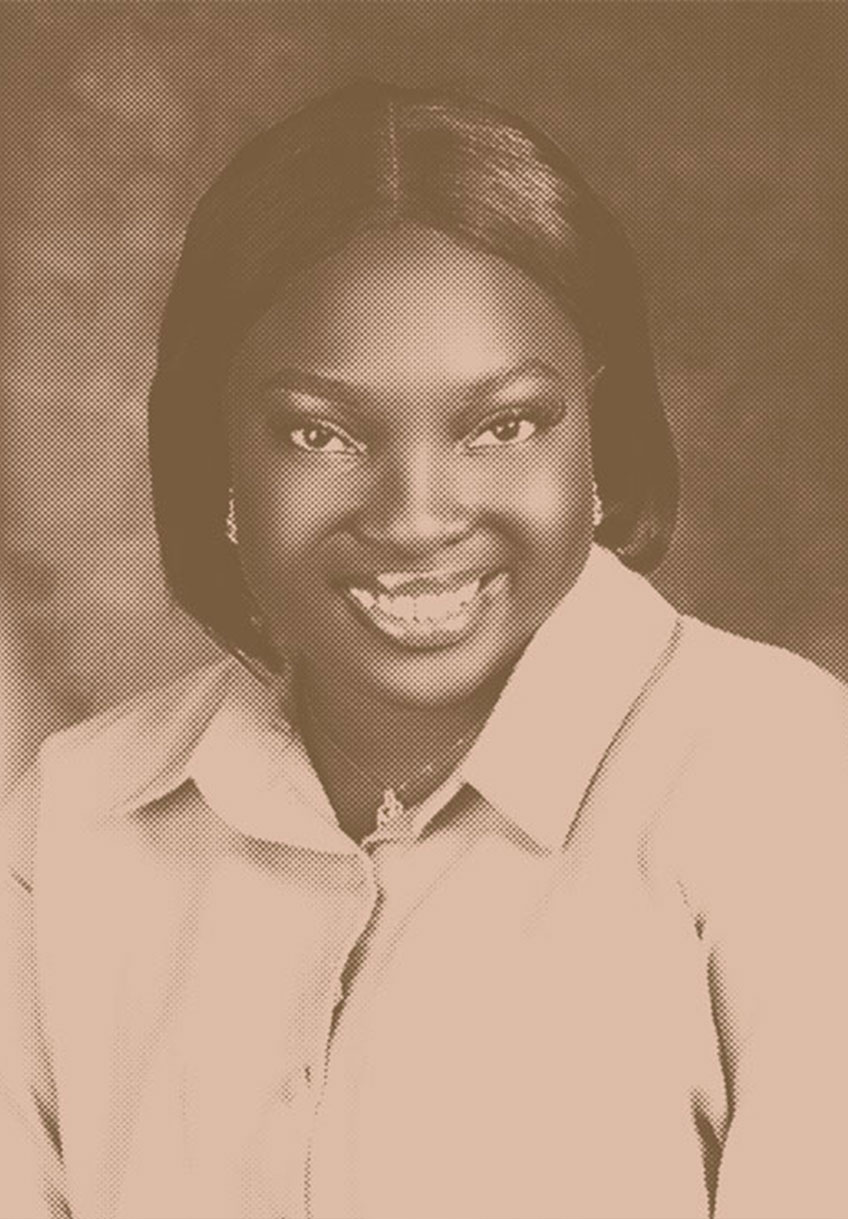
Mary Osaretin Omoregie is a curator at Center for Contemporary Art Lagos and researcher who is interested in African feminism, community engagement, and archival representation. Mary is also interested in exploring new modes of critical inquiry, including the intersections of artistic practice, cultural identity, and community formation that exist beyond traditional paradigms and norms.