Folasade Ologundudu – MOWAA Listening Sessions Voices of The Commons
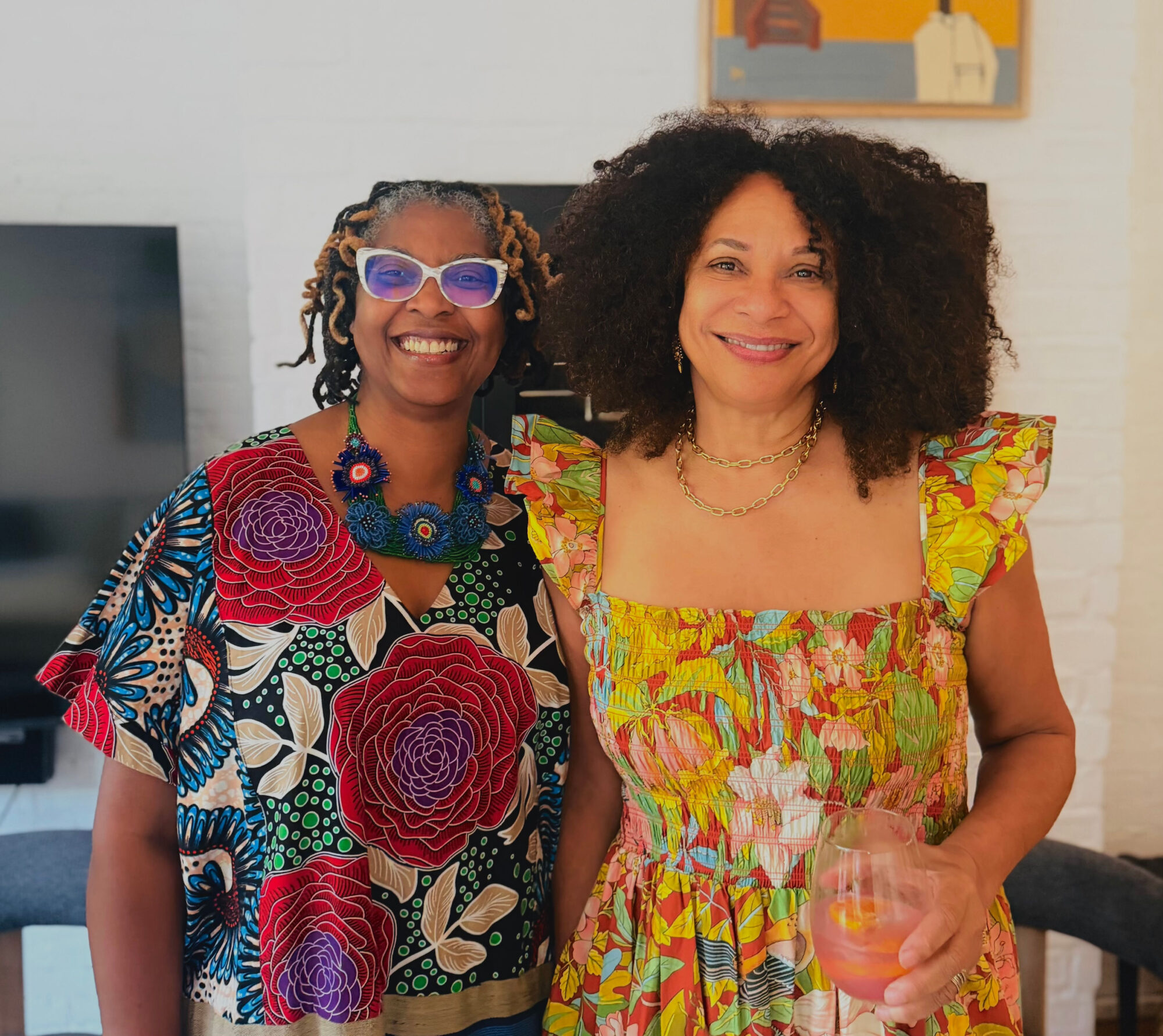
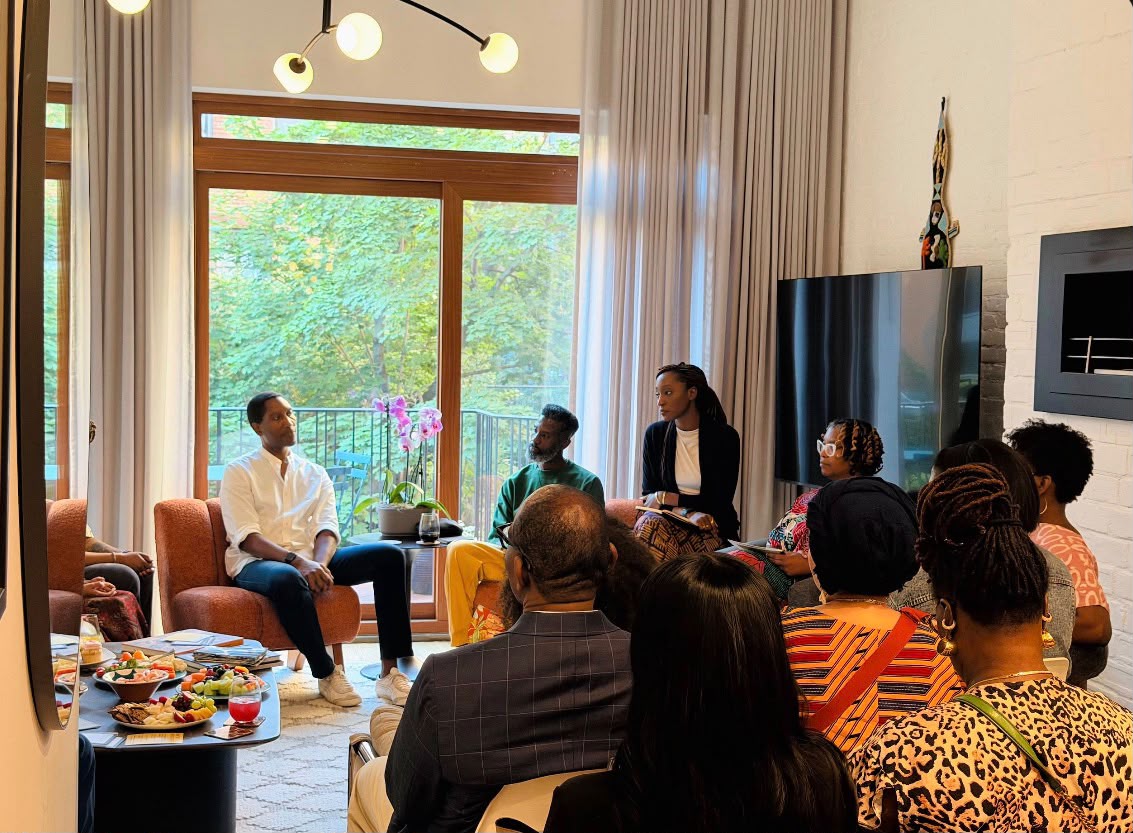
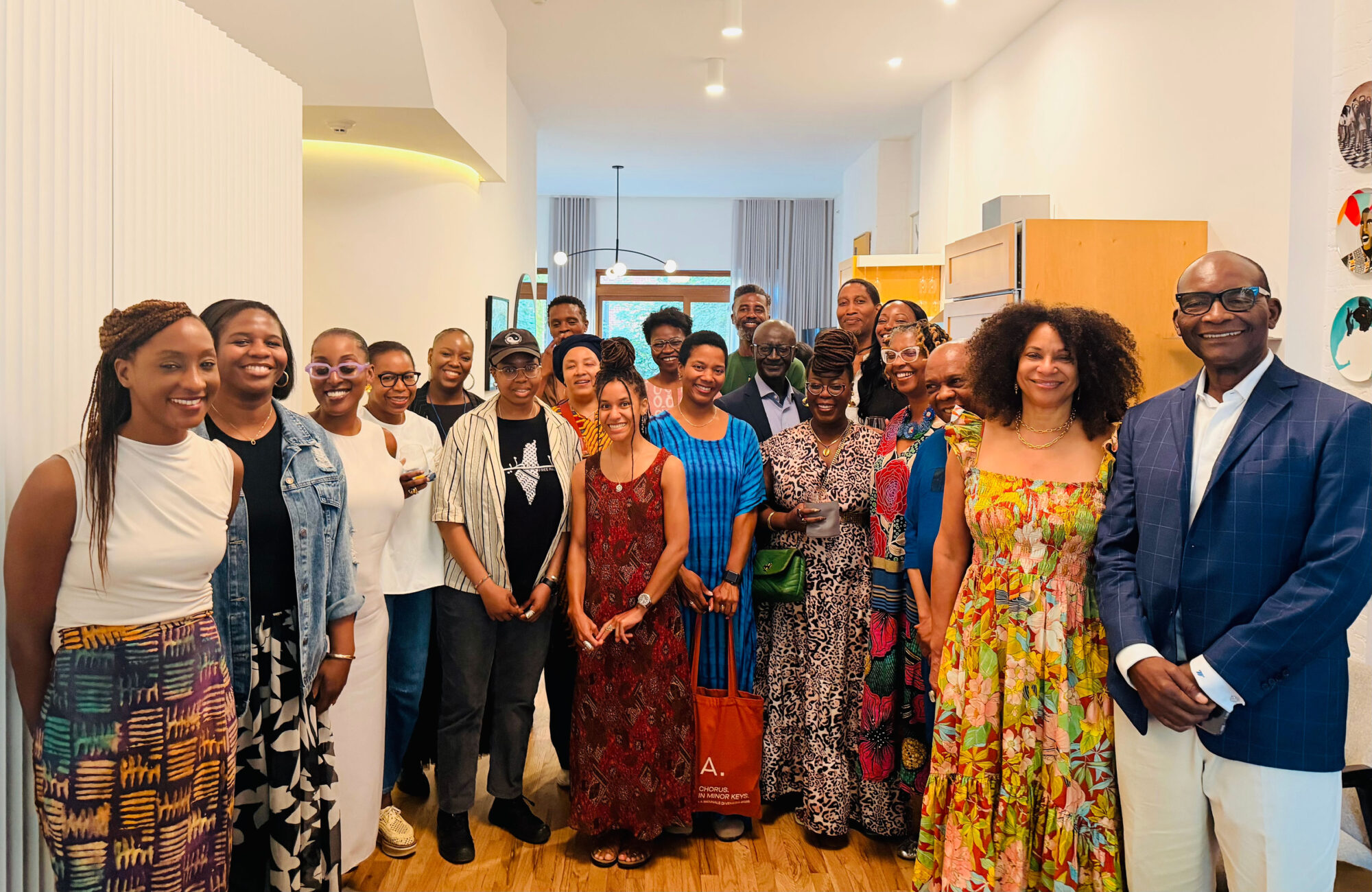
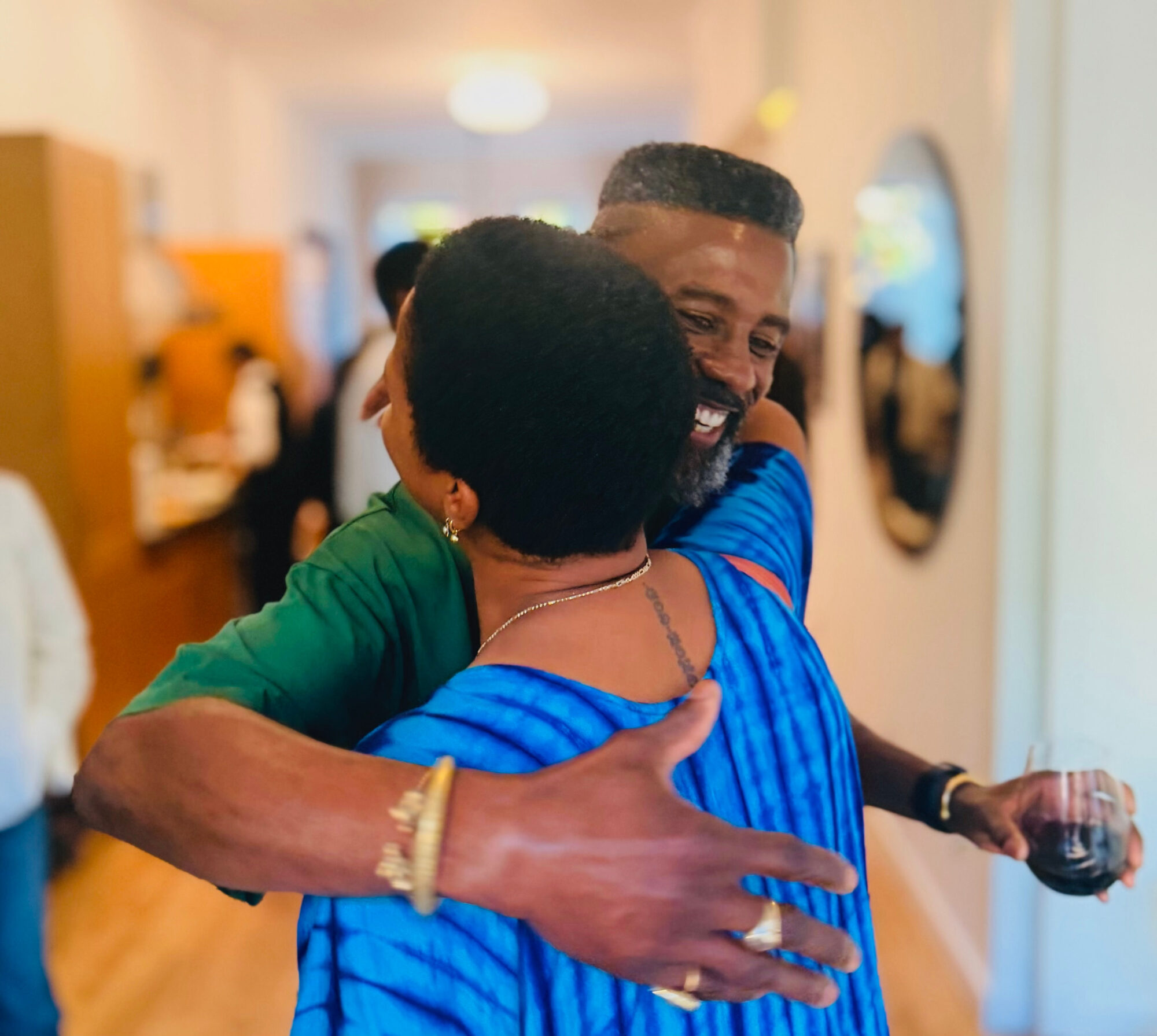
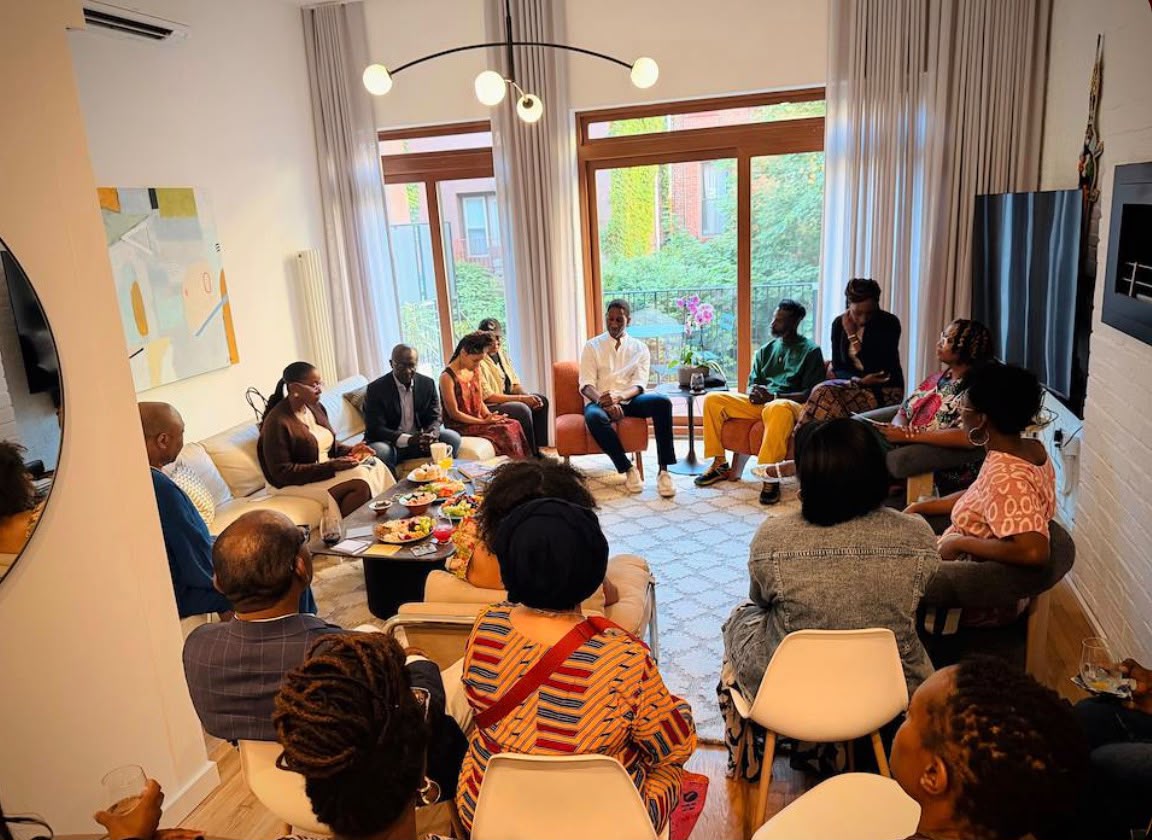
NEW YORK LISTENING SESSION SYNTHESIS
By Folasade Ologundudu
The conversation begins with reflections of November, the challenge of political transitions from its origins in 2021 to its scheduled opening date in 2025, and why it exists. This raises a central question: whom does it serve? If the institution is meant to advance stewardship, provide education and community programming, and outreach, what do the events of November and the period leading up to them reveal about that mission? In asking who MOWAA serves the next immediate question I pose is what position does the museum hold in the cultural imagination, dreams and aspirations of its community members? How is MOWAA different than a museum that houses cultural artifacts, and imposes itself on a place, a physical location, through its structure and architecture in the ways that we generally understand the museum?
This is a moment for MOWAA to redefine what it means to be a museum, and more importantly an African museum, in the 21st century. If MOWAA positions itself at the center of what an African museum can be, its potentialities, and ripples outward, how does it engage with its immediate community members, its close surroundings, major cities across the country, neighboring nations specifically in West Africa, its diaspora, and finally the general public not represented by these distinct groups? There is a core difference between having access to something and feeling like you belong somewhere. Some barriers aren't physical, they're psychological. If people don't think that they belong, they won't enter. Deep listening is an opportunity to understand why people may not feel like they belong but for this to happen MOWAA must meet people where they are not expect communities to come to them.
The listening session touched on the philosophies of cultural institutions to highlight the transformative act of care. Parallels were made regarding the Studio Museum, its institutional culture and the role of the staff in caring for and welcoming its museum goers. What does it look like to care deeply about the people of Benin City and some of their immediate concerns. What does MOWAA know about its residents? Has MOWAA’S community engagement been successful? If not, what assessment can be conducted to discover more learnings and feedback from locals. MOWAA may benefit from meeting local members where they as opposed to trying to bring them into the museum. During the session an artist reflected on working in Zambia with children who would not enter an art space even though the physical doors were open and the only way that they would engage with the local community was by going to where they were. Has MOWAA sought to meet people where they are?
Does programming address both immediate local concerns as well as aspirational ones? The welfare office next to the Studio Museum illustrates the kinds of concerns residents face. The staff, who know the names of regular attendees and patrons, speaks to the connectivity of the institution with its community. This Illustrates that people connect with institutions through other people and through relationship building not through mission statements. How can MOWAA build better relationships with the community it seeks to serve? This kind of work is slow, methodical, and intentional. It requires people both within and outside of the institutions to create more cohesion among staff and museum attendees and local community members. Not mentioned explicitly but inferred from my experiences is the tendency of museums to be unwelcoming spaces for Black folks and African diasporic people in the West. How then can MOWAA exist in a similar fashion deterring residents of Benin City from entering its walls and perpetuate the very same treatment white institutions give to Black and African people in Europe and the Americas? While this is certainly not the intention, it is an effect that’s shaped that perceptions and ideas around MOWAA. To course correct, can MOWAA use what’s worked against Black and African folks and turn it on its head? The mention of care stands out. Moving in the opposite direction of bigotry and oppression towards radical love and care is one such approach.
MOWAA must contend with the challenge of Nigerian society and its hierarchies and tribalism to define itself on its own terms. Is it truly a space for West African art from all nations and diasporas of West Africa, or is its mandate specifically intended to highlight Nigerian art and culture. Defining this more specifically is a growth opportunity for MOWAA to more clearly understand and communicate its identity.
With regards to politics, is there a world in which MOWAA exists beyond and outside of the Nigerian political sphere? Can it sustain and maintain itself outside of Nigerian politics? If this is possible, what does that look like, how might that process begin. What are the advantages and disadvantages of attempting to be a truly independent institution?
MOWAA as a ‘compound’ brings up further ideas on satellite programming, digital engagement, and development in Europe, the US, and the Caribbean. In this way, MOWAA can have a footprint across multiple organizations and touchpoints. This can include artist-led collectives and exchange programs, virtual workshops and training programs, satellite exhibitions in partnership with international institutions. MOWAA is more than a physical space; it is an opportunity to build an entire ecosystem that connects across West Africa, the larger continent, and its diaspora. But to do this, MOWAA has to go back to its origins and ask who it serves, how and why.
Key Points
1. Finding what works across various institutions. Adopting successful frameworks from other organizations offers MOWAA the ability to adapt and be flexible in its approach to institution building. What institutions, artist-led collectives, community spaces, and non-profit organizations can serve guides for MOWAA moving forward.
2. Direction is more important than speed. This is a critical time for MOWAA to ask itself in 5 years, in 10, where does it want to be, what does it want to accomplish and work backwards.
3. Every perspective is valid. Deep listening requires many voices and openness to many perspectives. What does it look like not only to speak to the diaspora but also to other West African nations? MOWAA may benefit from looking at close neighbors as examples of what works well and alternatively what doesn’t, to chart a new path.
4. MOWAA is not limited to one place or just its physical location. Collapsing the boundaries of space and time, how can MOWAA expand its reach to diasporic communities through satellite programming. What institutions across Europe, the US, and the Caribbean can MOWAA engage with to creative robust virtual and digital programming and cross-cultural exchange.
5. People are the most valuable resource. What does it look like to be a people-first institution? If MOWAA operates from a place of service, there is no limit to what it can achieve and the level of impact it will have on the hearts and minds of the community it builds.
6. Care is generally a slow process. It means listening with the intent to understand, not dictate. It means being responsive to the shifting and changing needs of the institution itself and the people it serves. How can MOWAA center collective care in its daily operations and approach to cultural stewardship?
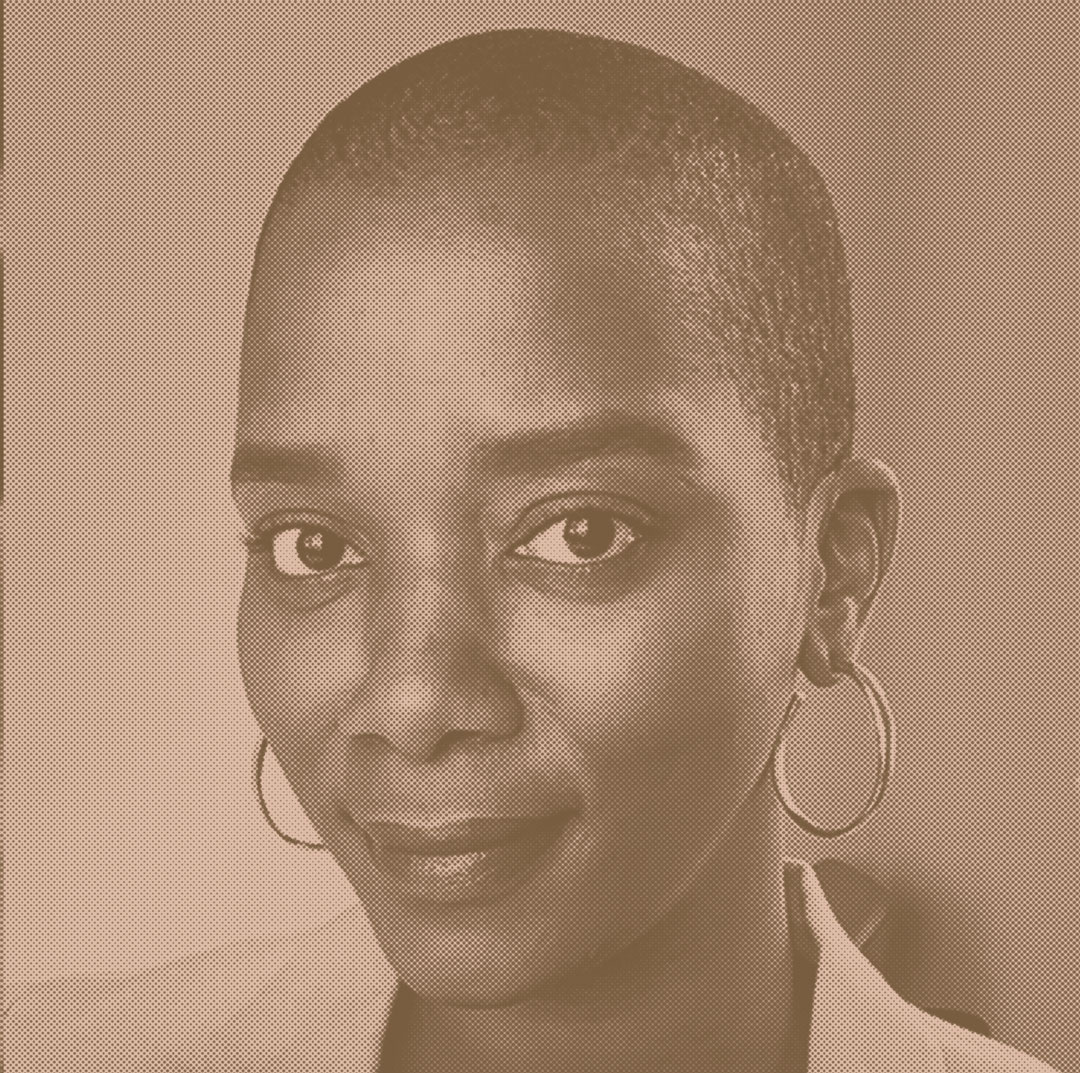
Folasade Ologundudu is a Brooklyn-born writer, curator, and podcast creator currently based in New York, whose practice seeks to uncover ideas related to the universal human condition. She has written art criticism, profiles, interviews, and essays for ArtForum, ARTnews, Cultured Magazine, Frieze, Photograph Magazine, among other publications. Ologundudu is also the founder of Light Work, a creative media platform rooted at the intersection of art, education, and culture. Through her podcast, Everything Is Connected, she holds conversations with artists, curators, and entrepreneurs deeply rooted in visual arts, and community building.