Rapporteur Summary: Listening Starts from the Streets
Rapporteur Summary: Listening Starts from the Streets
April 6 – April 16 Program Reflections
“Listening starts from the streets” has surfaced repeatedly over the past weeks not just as a statement, but as a method, a challenge, and a proposition. Across a series of programs between April 6 and April 16, this idea unfolded through different formats: celebration, hospitality, tension, dialogue, and institutional critique. From the Fanti Carnival to engagements at Padà, listening sessions with Fanti families, and finally the FORUM by Makerspace, each moment functioned as a site of display, experiment, study, and conversation toward understanding what might be called street logic.
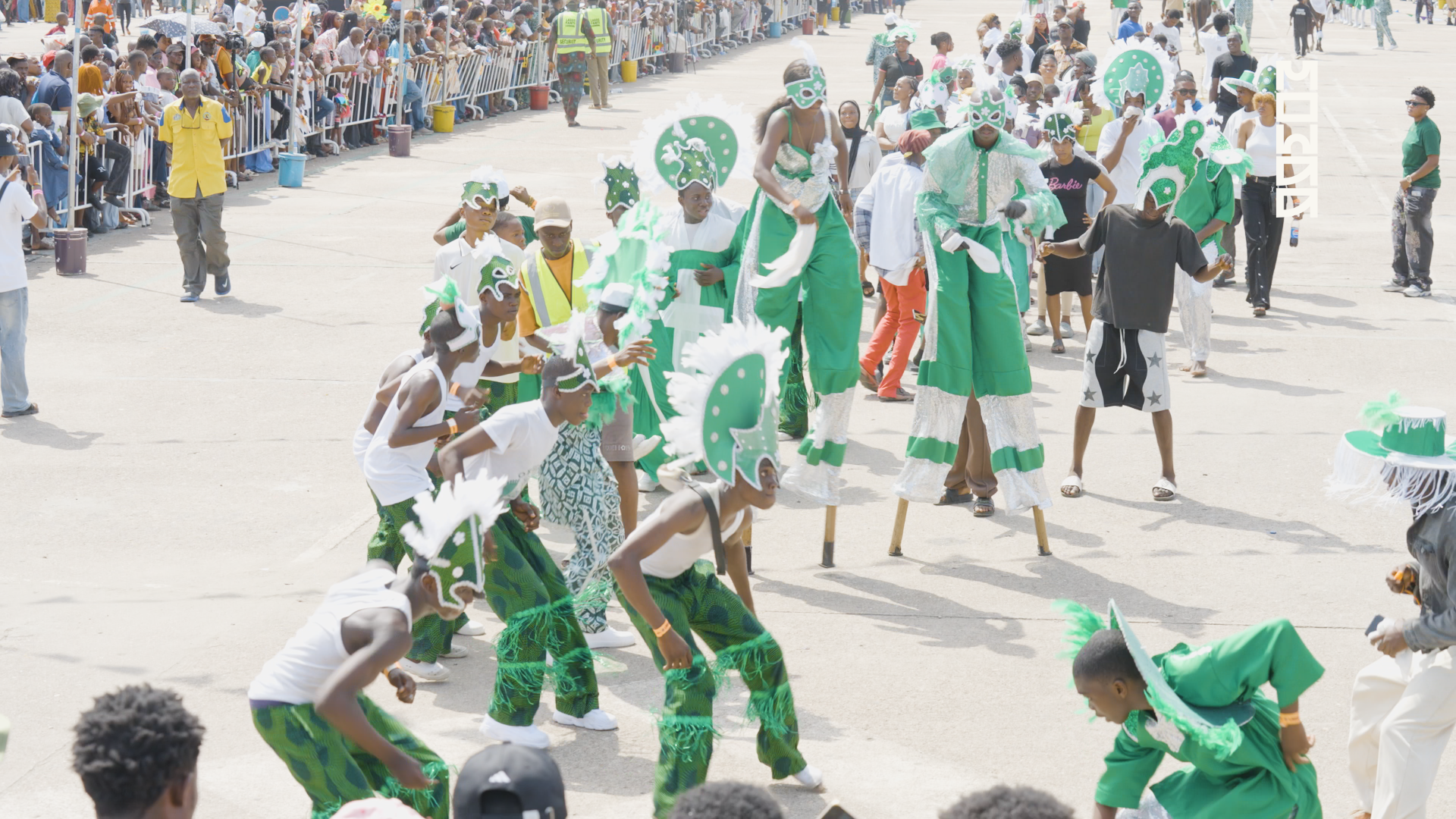
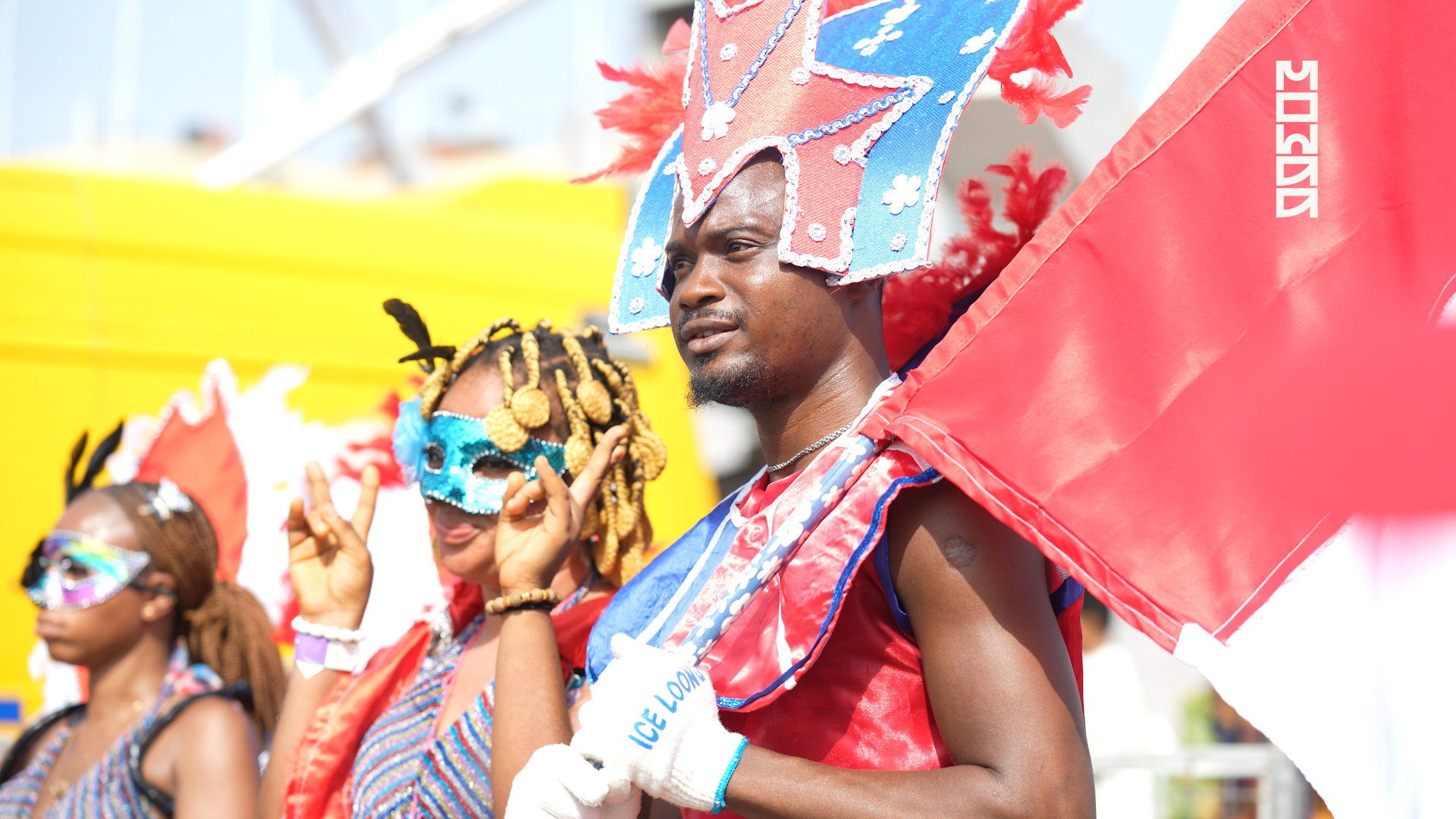
On the 6th of April,Fanti Day at Tafawa Balewa Square (TBS) marked an expansion in scale and intention. The shift to a larger venue demanded a broader public engagement, and this was met with a visible readiness. From the monumental flag installations to the stage design and music, the atmosphere was charged, alive, and deliberately open. The success of the day was not simply in the turnout, but in the clarity of intention,an event prepared for the public, not just presented to them.
“The opening engagement with Fanti Carnival is a key site for situating the act of listening within a public context. This moment foregrounded the street as an active ground for knowledge where meaning is produced through movement, participation, and collective encounter. Anchored in the theme Play, Performance, and Decentring Power, the carnival offered an entry point into forms of knowing that are embodied, relational, and resistant to containment within traditional museum structures”
A short walk away, Padà’s Brazilian Quarters program offered a different but complementary mode of engagement. Upon arrival, a communal table setting was in progress, an act of hospitality integrated into the program itself. As explained by Tobi Lesi, this gesture forms part of Padà’s ongoing effort to build and maintain relationships with its immediate community. The simplicity of sharing a meal becomes a strategic and intentional bridge. In conversation with founder Folayemi Brown, Padà’s ethos emerged more clearly as a guesthouse and institution that resists imposition, instead adopting flexible structures that respond to its environment. Padà operates as a vessel introducing visitors to the carnival while recognizing the local community as its primary stakeholders, its “VIPs.” This adaptability extends to respecting and integrating local customs, positioning Padà as both host and participant.
As the carnival concluded and other notable programs in the area (such as Afropolis at J.Randle centre and so on), a natural migration occurred and crowds moved from TBS to Padà, transforming the space into an informal extension of the day’s festivities. Music, dance, and social interaction carried on, demonstrating how lighttouch programming can effectively sustain and redirect public energy.
Brazilian Quarters at Padà Lagos , 7:35pm
On the 9th of April, a listening session held at Loving Lagos introduced a different dynamic, one less performance based and more conversational, yet marked by friction. It is important to note that initial meetings had taken place prior to this gathering, and an external anthropologist was also present to help facilitate dialogue. Despite this preparation, the session revealed the complexities of engagement across different knowledge systems, what began as an attempt to understand Fanti Carnival from its custodians quickly revealed gaps in communication.
Tensions surfaced through misalignments in language and approach. The use of academic framing by the organizing team created distance, making it difficult for participants to fully engage. Questions that sought to define or compare Fanti Carnival sometimes felt extractive rather than dialogic,“extractive” in this instance can be understood as moments where questions may have sought to categorize, or compare Fanti Carnival without fully accounting for its lived realities, risking the reduction of a dynamic cultural practice into an object of explanation. This moment highlighted a critical observation: listening is not neutral, It requires calibration of language, tone, and relational awareness. Without this, well intentioned engagements risk reinforcing the very distances they aim to bridge.
Despite this, the session yielded valuable insights. The families emphasized:
● The centrality of children to Fanti Carnival, including the practice of accommodating last minute participation through extra costumes.
● The financial demands of costume production.
● A desire to establish youth clubs to sustain historical knowledge and participation across generations. Ultimately, while imperfect, the session underscored the necessity of more personal, grounded forms of engagement when working with living cultural systems.
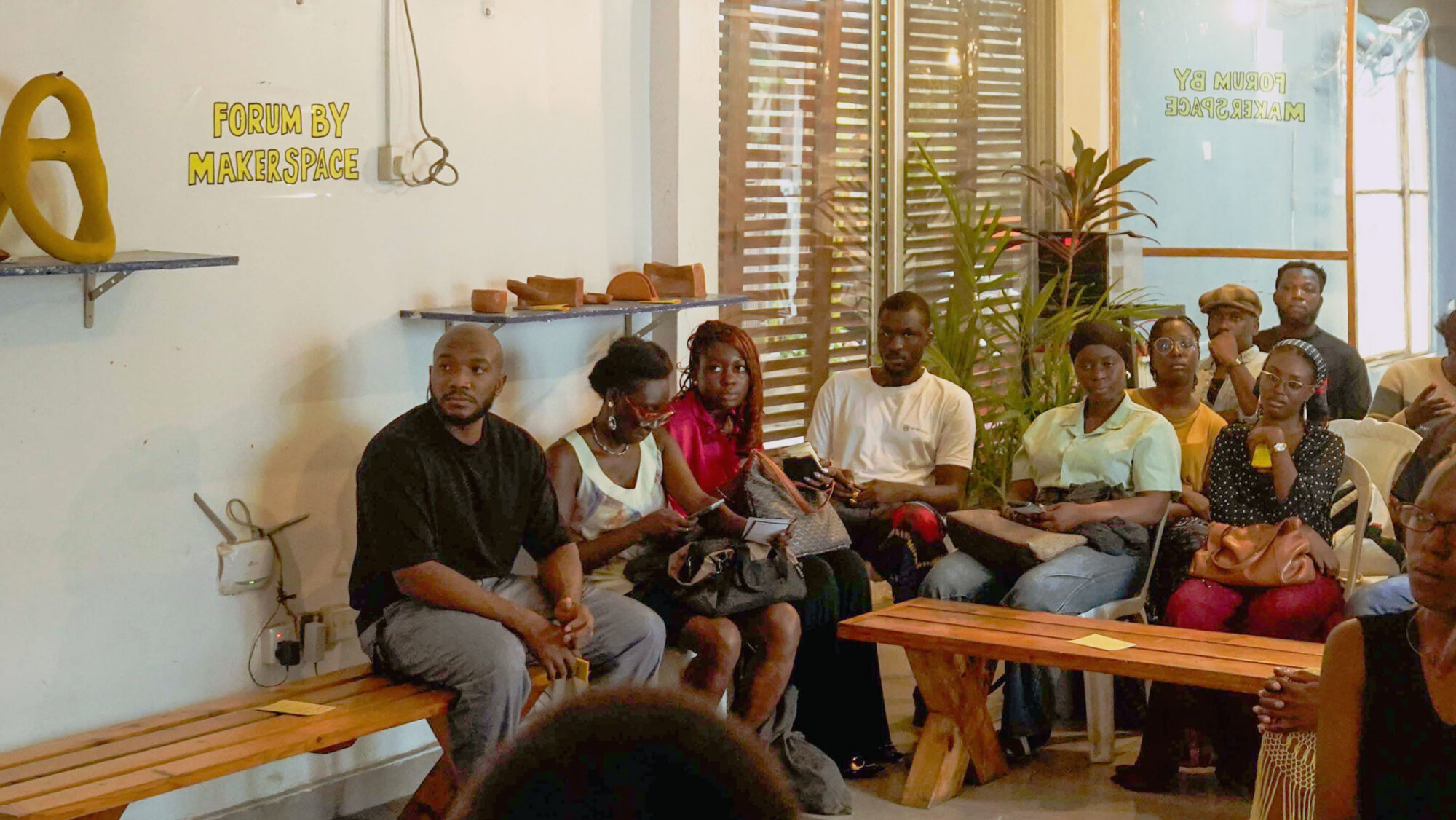
While on the 16th of April, The FORUM by Makerspace marked a shift from field engagement to institutional reflection, asking how the insights gathered from the “street” might challenge and reshape formal structures like the museum.
The program opened with remarks by Adeyọsola Adeniran, followed by a presentation from Tushar Hathiramani. A key provocation emerged early: “Can a museum be pristine?” This question disrupted conventional notions of the museum as a controlled, sanitized space, inviting reconsideration of its role and potential.
Hathiramani extended this inquiry by proposing alternative functions for museums not only as sites of preservation but as producers, platforms, and collaborators. One particularly compelling idea was the possibility of the museum offering itself as material, a space that makers can actively work on and with. Such a shift would reposition the museum from a static container of culture to a dynamic participant in cultural production.
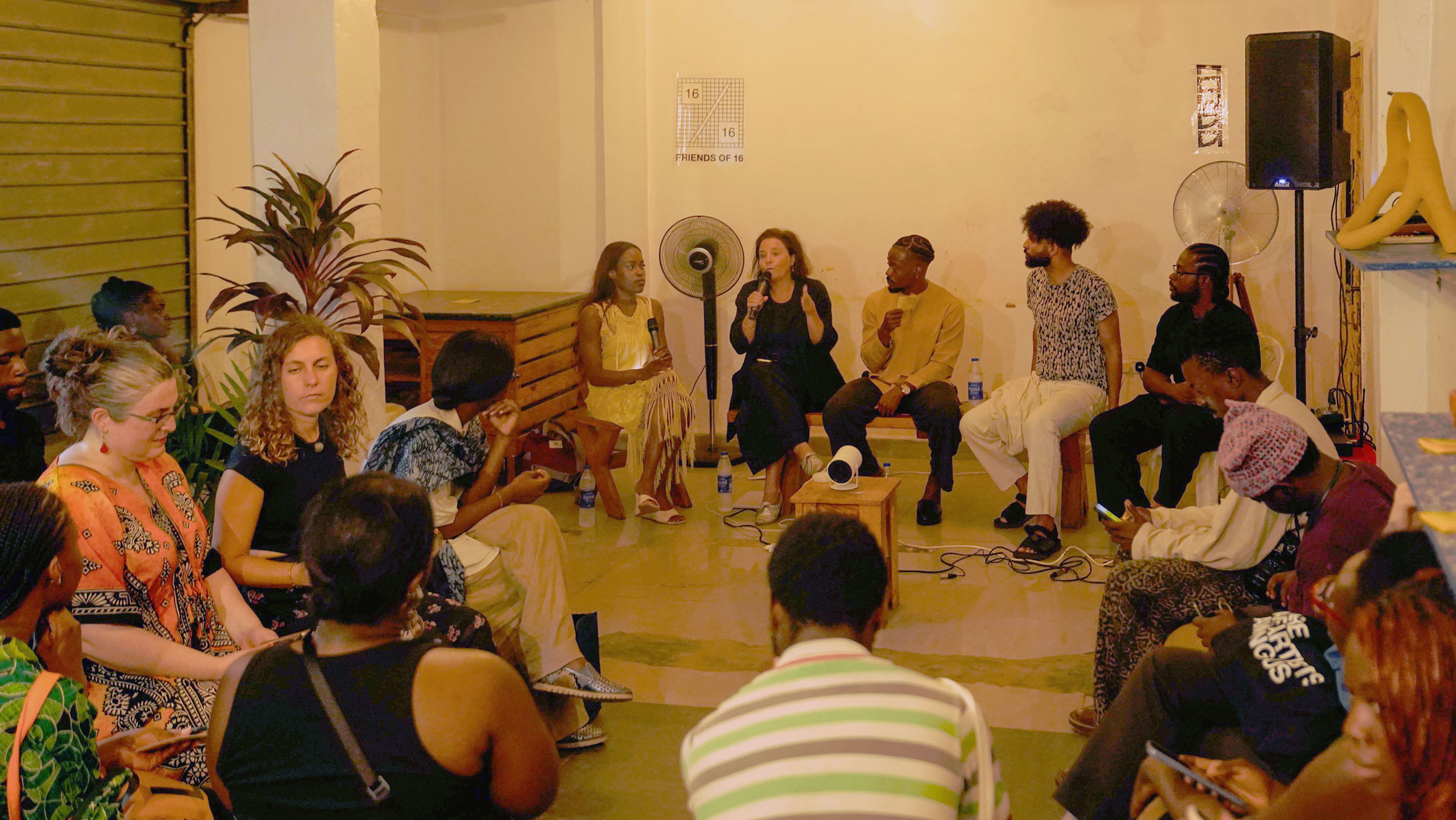
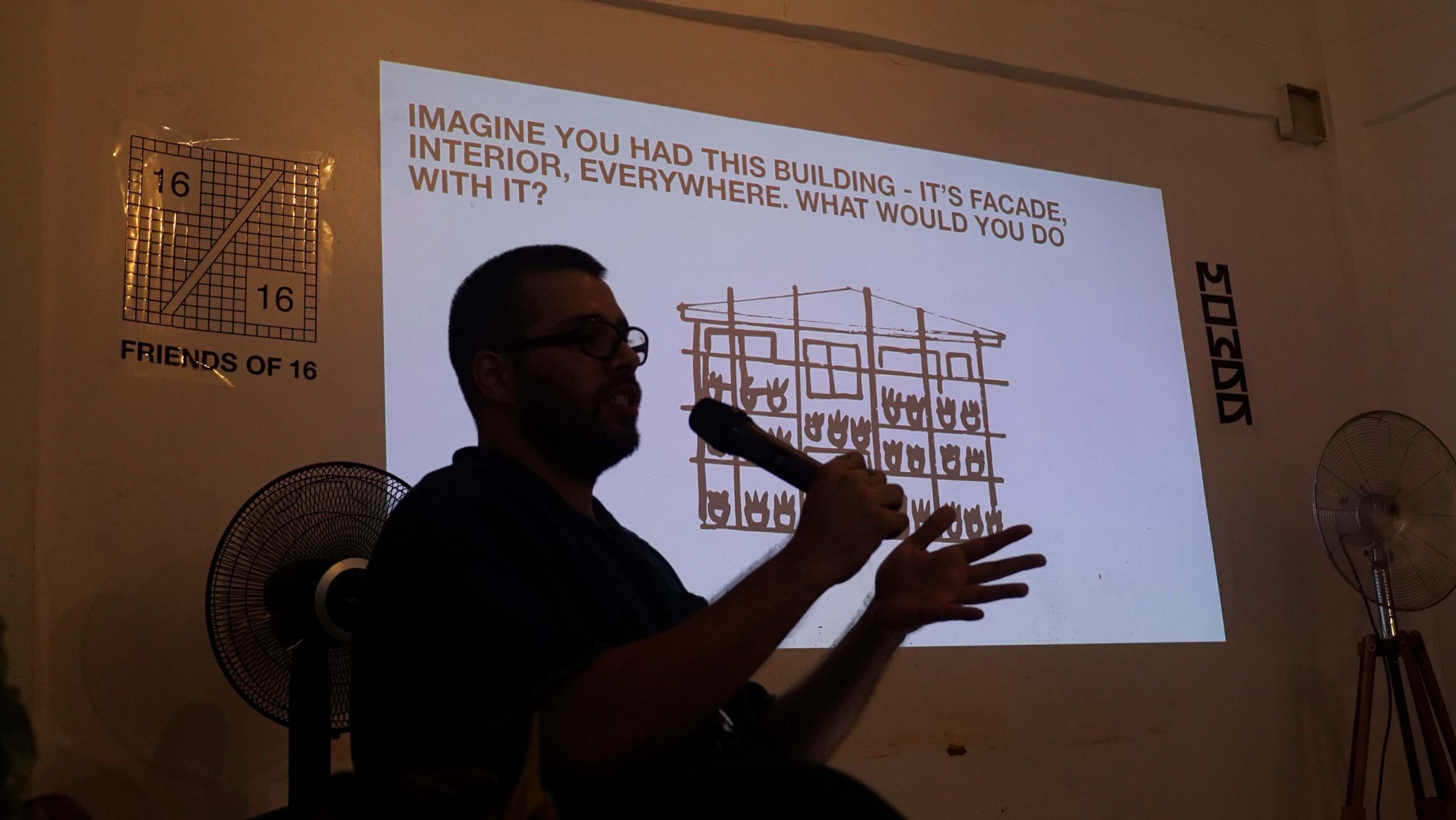
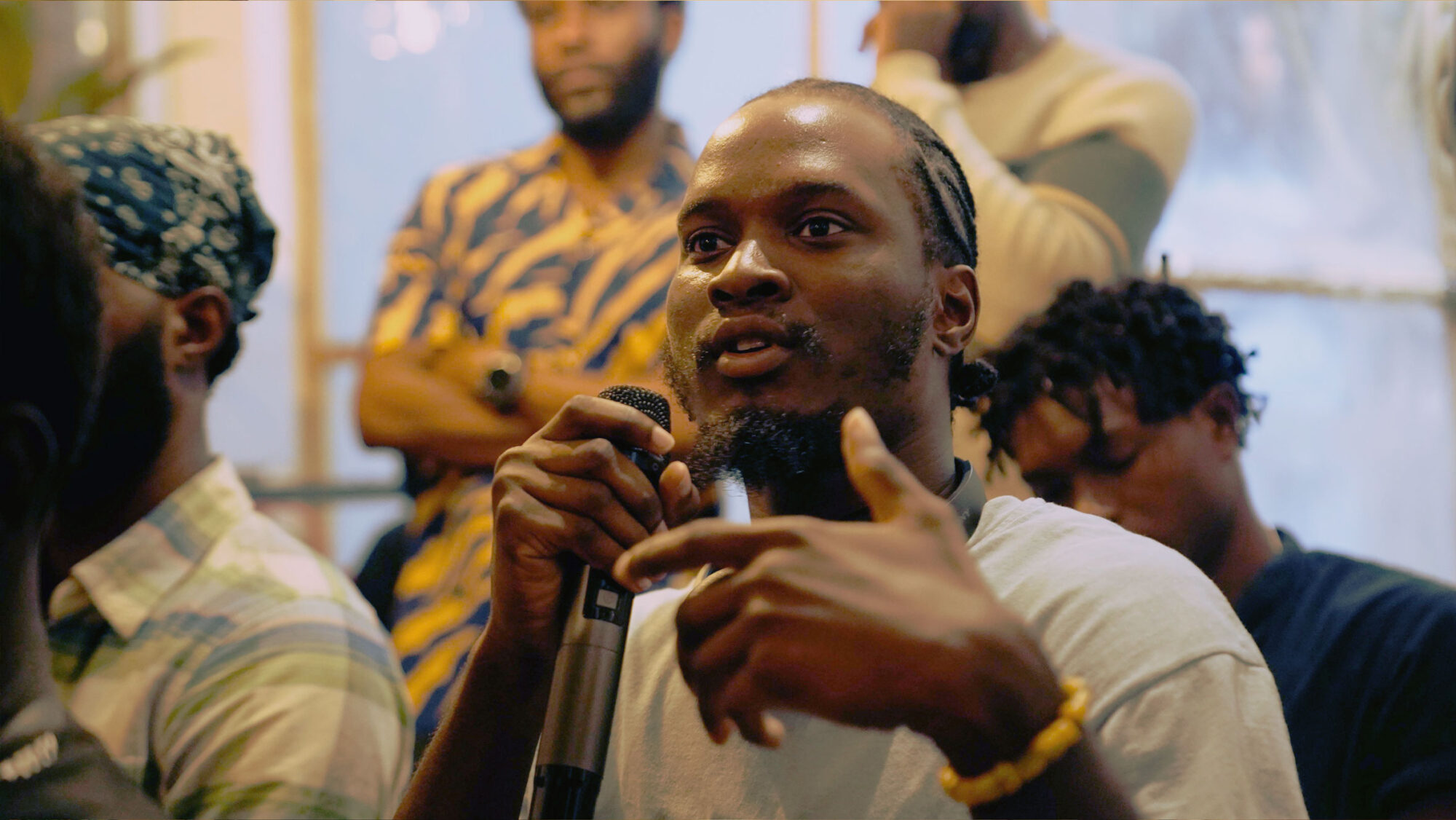
The panel discussion, moderated by Aindrea Emelife and featuring Caleb Uzuegbunam, Dr. Dele Adeyemo, Tolu Kalejaiye, and Dr. Nadine Siegert, deepened these provocations. Centered on the question, “How can the external logic of the street, its improvisation, informality, and adaptability reformat the interior life of a museum?”, the panel resisted definitive answers, instead prioritizing generative questioning.
Recurring themes included:
● The need for fluidity within institutional structures.
● The possibility of embracing chaos not as disorder, but as a productive condition.
● The importance of risktaking and reducing institutional rigidity.
● The idea of evolving exhibitions that remain responsive rather than fixed.
Toward the end of the session, a critical tension surfaced. One panelist argued that the apparent chaos of Lagos streets should be recognized as a system, an organized logic that, once understood, can inform institutional practices. Another countered that not all systems, particularly those shaped by violence or precarity, should be normalized or adopted as models. This tension revealed a crucial insight, listening to the street is not about replication, but translation. The street is not a template to be imported wholesale into institutional spaces; rather, it is a complex field of signals, some generative, some harmful that require discernment. To “listen” is therefore to engage critically, identifying what can be transformed, what must be resisted, and what demands entirely new frameworks. In this sense, listening becomes an act of responsibility, not just reception.
From the charged openness of Fanti Carnival to the reflective provocations of the Makerspace FORUM, these programs collectively demonstrate that listening begins not in enclosed spaces, but in lived environments. The street offers not just content, but methodological ways of organizing, adapting, and relating. However, the process of bringing these insights into institutional contexts requires care. It demands an approach that is flexible yet critical, open yet discerning. In this way, “listening starts from the streets” becomes both a starting point and an ongoing negotiation one that challenges how we engage, interpret, and ultimately transform the structures we inhabit.
Internal Notes: Key Observations & Suggestions for the Museum
1. The museum should reconsider its position as a “pristine” space and explore more porous, adaptive models that allow for lived, everyday interactions to shape its environment.
2. Institutional listening needs to move beyond formal or academic language, more accessible, relational modes of communication are necessary for meaningful public engagement.
3. The museum can benefit from treating itself as material, opening parts of its structure, programming, or processes to be actively shaped by artists, makers, and communities.
4. Exhibitions should be approached as evolving formats rather than fixed outcomes, allowing for iteration, responsiveness, and participation over time.
5. The improvisational and adaptive qualities of street systems can inform museum practices, particularly in relation to flexibility, responsiveness, and audience engagement.
6. However, not all aspects of “street logic” should be adopted, the museum must critically assess and avoid reproducing systems shaped by precarity or exclusion.
7. Hospitality based gestures (e.g., shared meals, informal gatherings) can serve as effective tools for building trust and sustaining long term relationships with local communities.
8. The museum should position local communities as primary stakeholders, ensuring that engagement is not extractive but reciprocal and sustained.