Tolulope Ayotade – MOWAA Listening Sessions Voices of The Commons
WHO ARE THE CUSTODIANS? INDIGENOUS KNOWLEDGE BEYOND INSTITUTIONAL WALLS
By Tolulope Ayotade
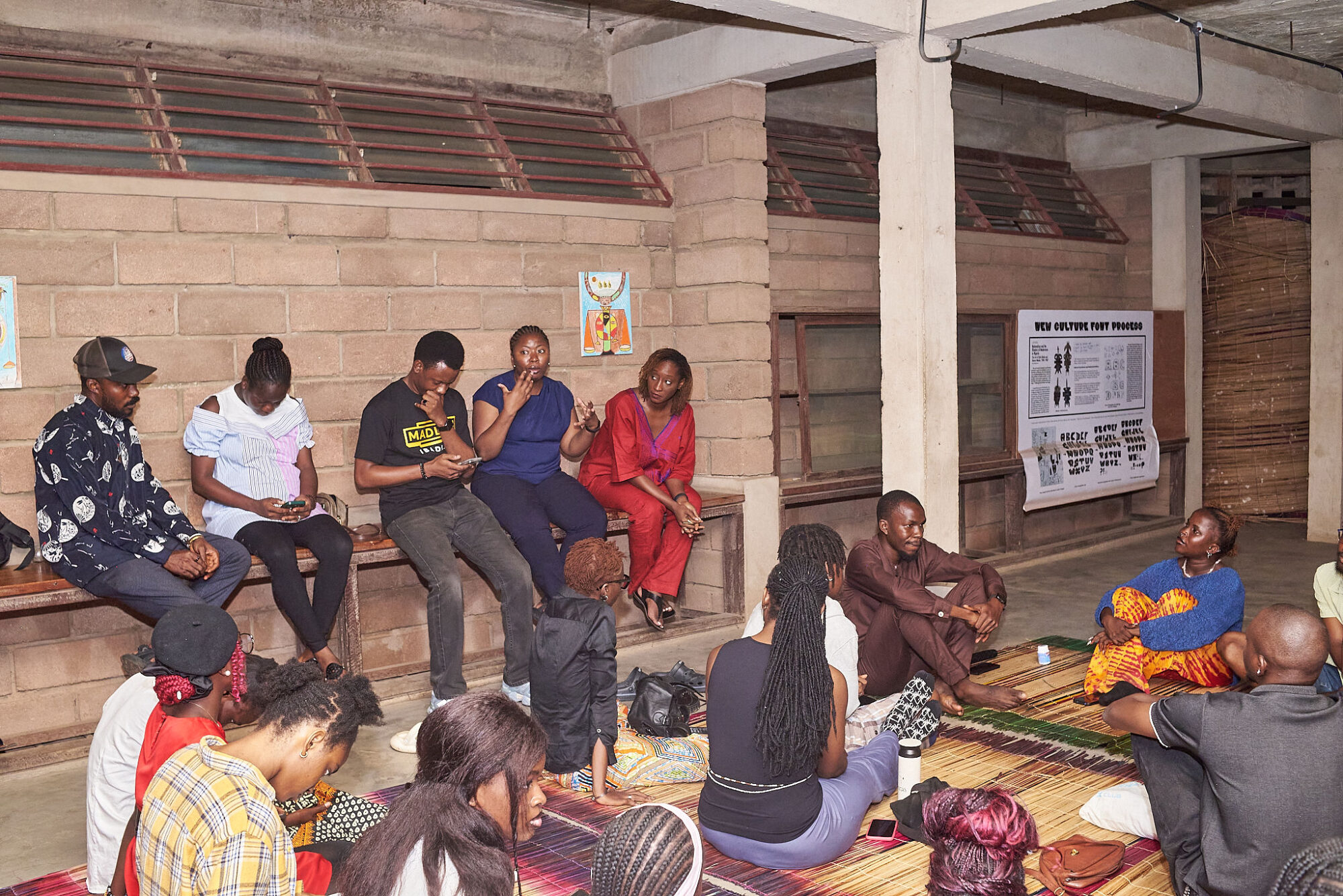
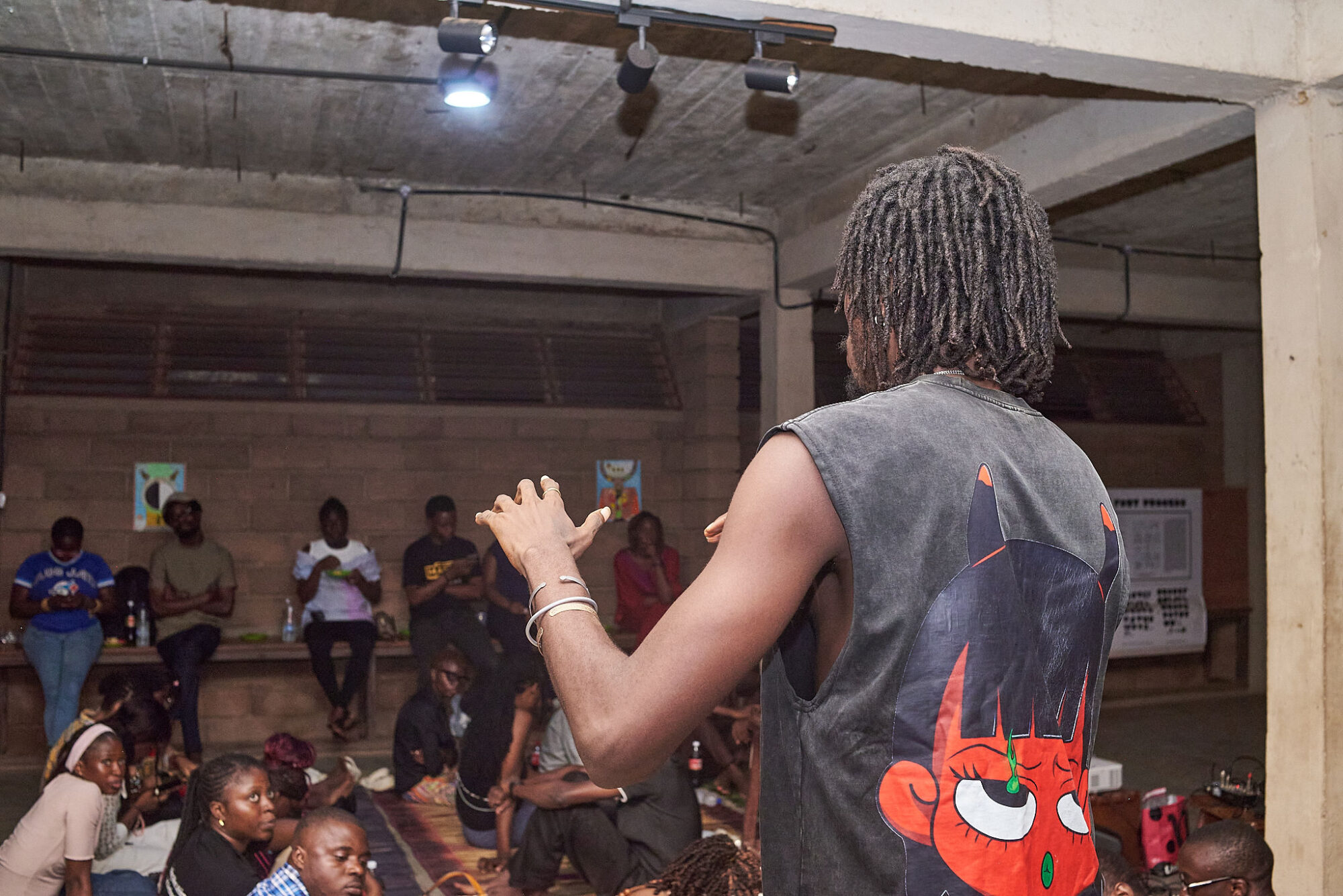
The programme revolved around a seemingly simple yet profound question: Who are the custodians of indigenous knowledge? While the title appeared to invite participants to identify particular individuals or institutions, the conversations that unfolded suggested that the question itself was less about assigning ownership than about rethinking the nature of custodianship. Across the plenary, panel discussions, and breakout sessions, participants collectively challenged the assumption that knowledge resides primarily within formal institutions. Instead, they demonstrated that indigenous knowledge lives within communities, languages, food systems, cultural practices, everyday relationships, and lived experience.
Food emerged as an unexpected but powerful lens through which these broader conversations unfolded. Discussions on disappearing indigenous crops, changing dietary practices, traditional methods of food preservation, pottery, medicinal plants, and archaeology revealed that food is never merely about nourishment. It is memory, medicine, identity, ecology, spirituality, and heritage. Participants reflected that the disappearance of indigenous foods represents more than changing consumption patterns; it signals the gradual erosion of ecological knowledge, intergenerational learning, and cultural practices that have historically connected people to place.
A recurring thread throughout the programme was the rejection of simplistic binaries. Indigenous knowledge was never positioned against scientific knowledge, just as tradition was not placed in opposition to modernity. Rather, participants repeatedly explored how the two can strengthen one another. Conversations on pottery production, archaeology, biodiversity, medicinal plants, and agriculture illustrated that scientific inquiry can deepen understanding of indigenous practices, while indigenous knowledge provides the historical, cultural, and environmental context that science alone cannot fully explain. The discussion therefore shifted from asking which knowledge system is superior to asking how different ways of knowing might work together in addressing contemporary social and environmental challenges.
Language emerged as another important repository of indigenous knowledge. Discussions around indigenous terminologies, proverbs, food names, and culturally embedded expressions demonstrated that translation is never merely linguistic. It also involves negotiating histories, identities, and worldviews. Participants questioned the tendency to translate concepts such as akara or àje directly into English, arguing that translation often strips away layers of cultural meaning. Preserving indigenous languages, therefore, became inseparable from preserving the knowledge systems they carry.
The panel discussions extended these reflections by asking how indigenous knowledge might respond to present and future challenges. Cooperative systems, biodiversity conservation, local seed preservation, indigenous agricultural practices, and community-based approaches to food security were presented not as relics of the past, but as practical models capable of informing more sustainable futures. Rather than advocating a return to the past, participants suggested that indigenous knowledge should remain dynamic, that is, continually interpreted, adapted, and applied in response to changing realities.
The breakout sessions deepened these conversations by focusing on ethical research, community engagement, and indigenous food systems. A recurring concern was the persistence of extractive models of research in which communities are treated primarily as sources of information rather than partners in knowledge production. Participants advocated approaches grounded in humility, reciprocity, transparency, and long-term engagement, arguing that ethical research begins not with data collection but with relationships.
The discussions also challenged prevailing assumptions about preservation. Indigenous knowledge, participants argued, is not sustained simply by documenting it or placing cultural artefacts within museums. It survives because it continues to be practised, questioned, adapted, and transmitted through families, communities, education, agriculture, and everyday life. Calls for curriculum reform, community museums, digitisation of endangered knowledge, local research infrastructure, and stronger partnerships between researchers and communities reflected a shared commitment to creating conditions through which indigenous knowledge can continue to flourish.
Perhaps the most thought-provoking question to emerge from the programme, however, extends beyond communities themselves. If indigenous knowledge continues to reside primarily within local communities, then what does this mean for institutions that seek to preserve it? Can cultural institutions with vast resources, technical expertise, and global visibility truly become custodians of indigenous knowledge without first submitting themselves to the knowledge systems that have sustained communities for generations? Can museums, researchers, and heritage practitioners move beyond documenting communities to becoming learners themselves?
This question remained unresolved, yet it continued to resonate throughout the day’s conversations. It suggested that the future of indigenous knowledge may depend not only on communities remaining willing to share what they know, but also on institutions remaining humble enough to recognise that expertise does not reside exclusively within institutional walls. In this sense, custodianship becomes less about authority and more about relationships, one built on listening, collaboration, and mutual respect.
As participants departed, what lingered was not simply a collection of ideas, but a shared recognition that preserving indigenous knowledge requires more than remembrance. It demands continuous engagement, ethical collaboration, and a willingness to allow inherited knowledge to inform contemporary life without losing the communities and cultures from which it originates. Ultimately, the programme suggested that the future of indigenous knowledge will depend not only on what is archived, but on what remains lived. The question, “Who are the custodians?”, therefore remains intentionally open, not because it lacks an answer, but because it invites all of us, whether researchers, institutions, practitioners, or community members, to consider how we might participate more responsibly in the ongoing life of indigenous knowledge.

Tolulope Ayotade is a Gender Studies researcher, DEI strategist, and gender justice advocate whose work spans qualitative research, stakeholder engagement, programme documentation, and inclusive development. She is the Founder and Director of the SuperMum Charity Initiative (SMCI), which supports Independent Mothers and women-led families through advocacy, storytelling, and empowerment. She also serves as Secretariat of the Oyo State Reintegration Committee, working with government and development partners on gender-responsive migration governance, reintegration, and social inclusion. Her research explores gender, migration, women-led households, and intersectional inequalities in contemporary African societies.