March 2026 News Bulletin
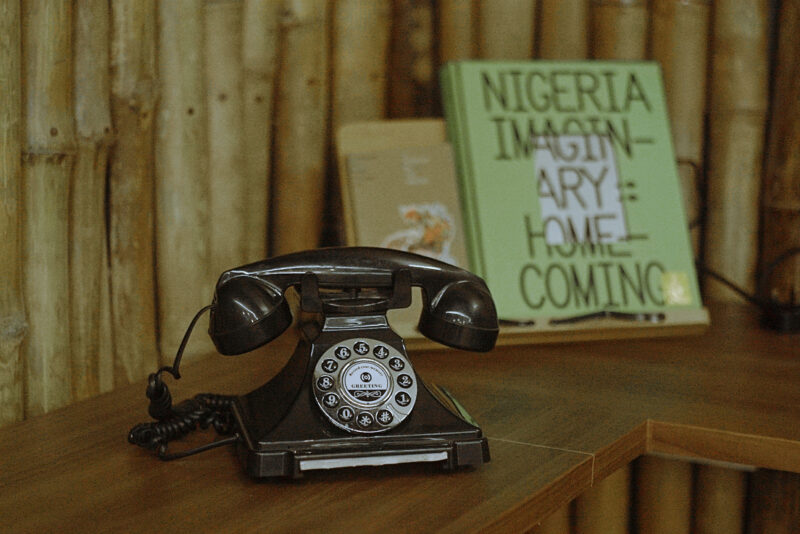
At the start of 2026, we were prompted to re-ask ourselves a pertinent and perennially relevant question: What does it mean to build cultural institutions that truly belong to the publics they serve?
This question sits at the heart of our work and continues to shape how we listen, learn, and act. At a moment when museums and heritage organisations worldwide are rethinking their roles, responsibilities, and relationships with communities, we are reaffirming our commitment to approaches grounded in dialogue, collaboration, and accountability.
In the months ahead, we are creating new opportunities for exchange and bolstering our work across conservation, research and knowledge production. Such initiatives reflect both the urgency of preservation and the importance of locally led knowledge production.
From our upcoming work on bringing DRUM Magazine West Africa Archive to new publics, to our Listening Sessions, here's what’s happening at MOWAA.
Listening Sessions
Opening the Dialogue
What could a museum be? Where do museums sit in relation to their publics? These are the central questions posed as MOWAA invites African thought leaders, peers and its anchor communities to reflect together in a dynamic, collective thought experiment.
MOWAA is launching a series of Listening Sessions across cities and spaces in Nigeria, West Africa, and the African Diaspora. From unpacking consent and navigating taboo, to dealing with authorship and digital activism in a pro-AI world, these gatherings will traverse the diverse complexities in our shared experiences of museum-making.
The Listening Sessions signal a deliberate shift in what museums represent - from institutions that present ideas to platforms that hold space for them. Building on Museum in the Making (2024) and the DIY Museum (2022), the initiative continues MOWAA’s commitment to experimentation and open exchange. Designed as forums for candid dialogue, the Sessions place listening at the centre - as both institutional ethos and cultural device – as we uncover how we better serve the communities we interface with day-to-day.
Running from March through May, the programme will combine in-person workshops and discussions with accessible online engagement, delivered in collaboration with embedded collectives and institutions. Those interested in contributing their voice and perspective are encouraged to register their interest at wearemowaa.org/listening-sessions.
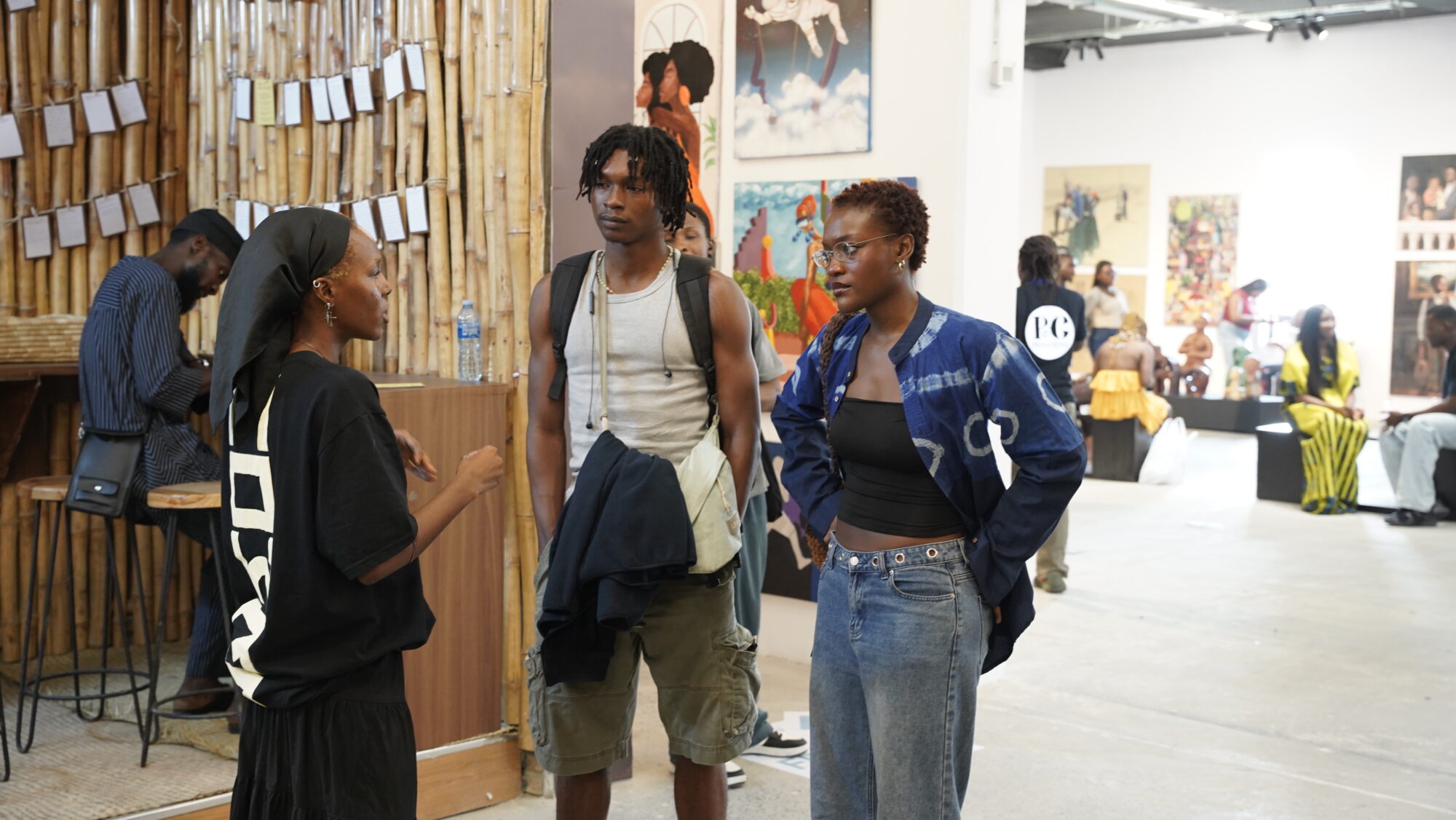
The first of the Listening Sessions took place at the +234 Art Fair in Lagos, Nigeria on 5–8 March 2026 inviting the public to shape the future of the Museum of West African Art by lending their voices, ideas, and critiques.
Curator's Corner
In the Making: The DRUM West Africa Archive
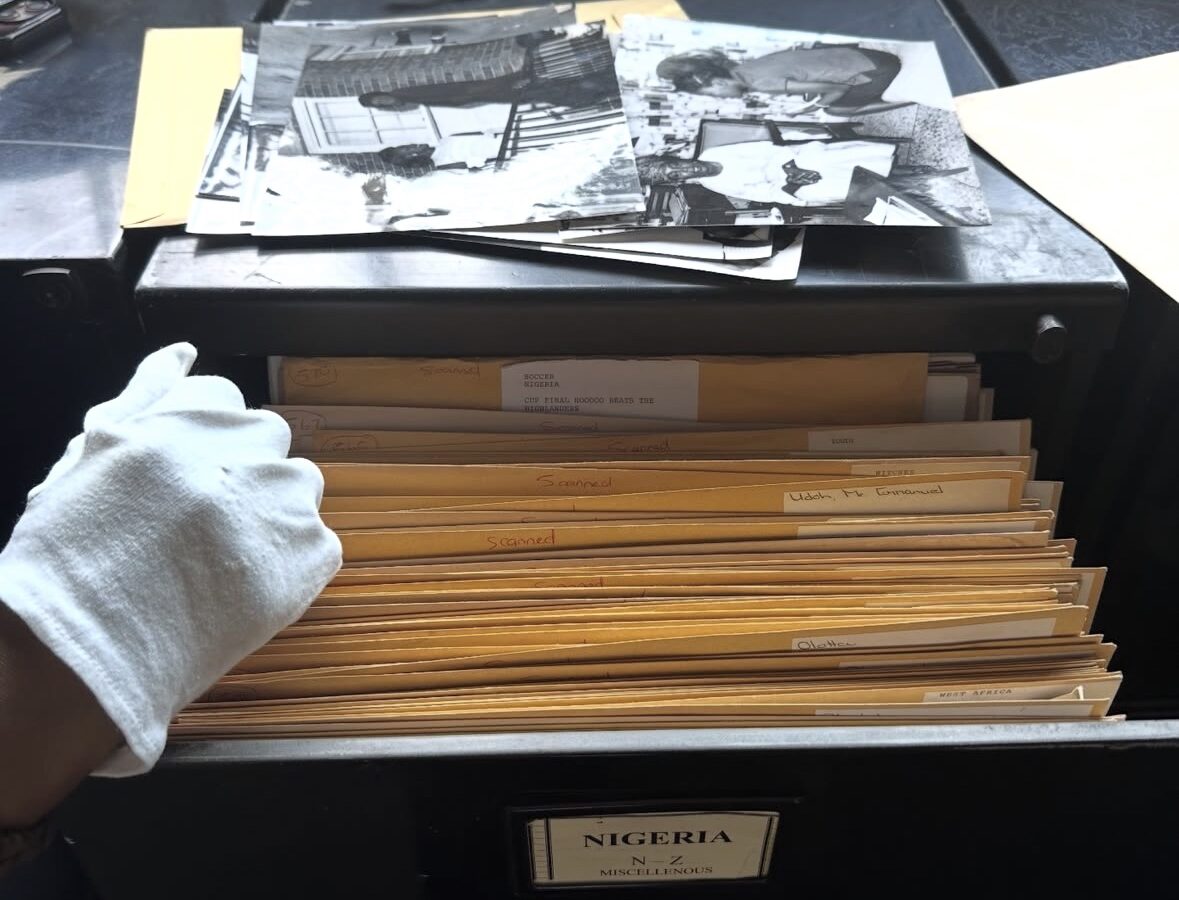
Founded in the 1950s, DRUM Magazine quickly grew into a leading cultural and political publication, with editions and influence extending into West Africa, particularly Ghana and Nigeria. DRUM provided a platform for groundbreaking journalism, photography, fiction, and political commentary, publishing writers and photographers who captured the realities, aspirations, and complexities of modern African life.
From South Africa’s jazz scenes and township life to West Africa’s highlife and emerging music cultures, its pages chronicled urban environments, popular culture, and political change. Including coverage of anti-colonial and independence movements, the magazine served as both a cultural time capsule and a transnational historical record. Today, its archives remain a vital resource for scholars, artists, and historians seeking to understand Africa’s modern intellectual and artistic histories.
This year, with the continued support of the Ford Foundation, we push towards the forthcoming online launch of the DRUM West Africa Archive, developed in partnership with Bailey's African History Archive/The Drum Archive (South Africa), and an ongoing collaboration with the National Gallery of Art (Nigeria) to conserve up to thirty seminal works by modernist artists, including Ben Enwonwu, Erabhor Emokpae, Clara Etso Ugbodaga-Ngu, and Bruce Onobrakpeya.
Archaeology Spotlight
An Update on our Unearth Fellows
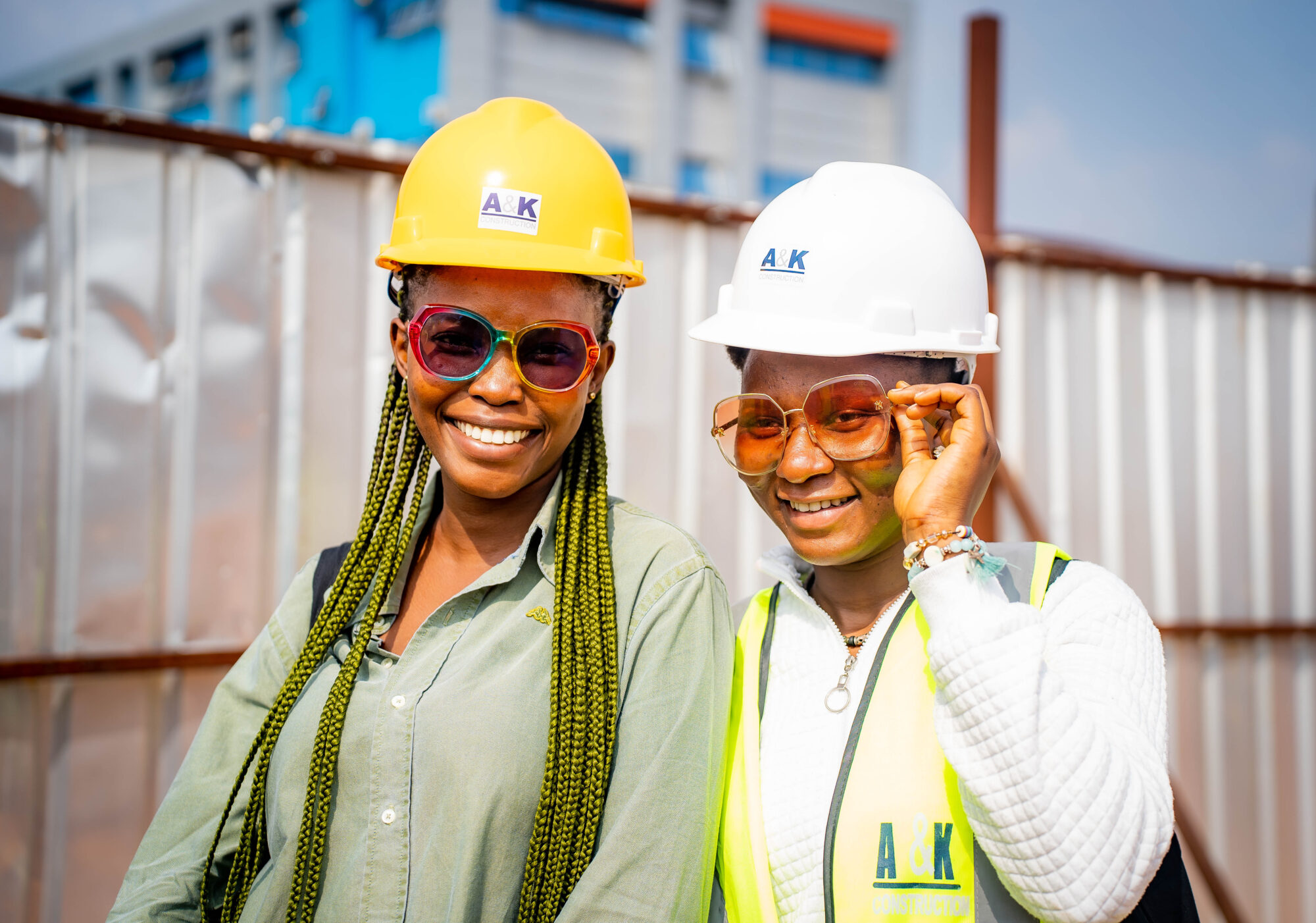
As 2026 unfolds, the Education and Public Practice department is focused on strengthening the impact of the Unearth Fellowship by expanding the reach and relevance of our recent fellows’ work. In the first half of the year, 16 graduates partaking in our annual Unearth Fellowship, will lead peer-learning roadshows at partner universities, engaging academic communities while also showcasing digital projects that open their research to global audiences. In building a strong foundation for the programme’s future, we are using insights and evaluations from past cohorts to inform and shape our next chapter.
People At MOWAA
Our New Head of Material Science
With research functioning as a core tenet of our institution, MOWAA is strengthening our research capacity through the appointment of Dr. Meghna Desai as Head of Material Science through a joint senior fellowship with the Cyprus Institute that aims to strengthen heritage science capacity and professional training in Africa. Dr. Desai’s appointment is central to the establishment and long-term development of MOWAA’s Archaeological and Material Science Laboratories, the growth of internal research capacity, and the integration of scientific research across MOWAA’s cultural, curatorial, conservation, and public impact work.
Connection and Collaboration
MAESaM x MOWAA
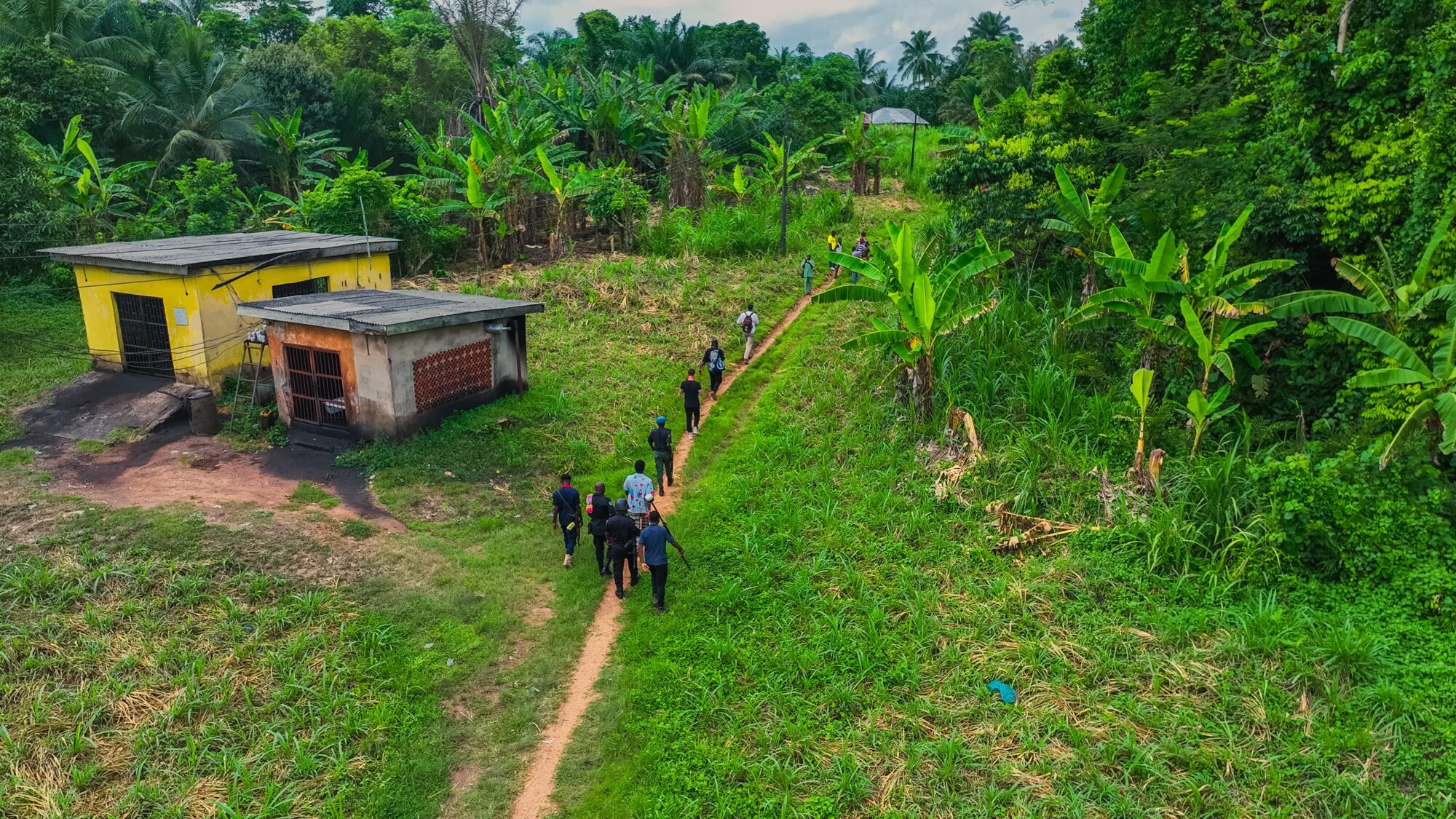
Beyond its laboratories, MOWAA is steadily building expansive regional networks to extend the reach of its heritage management initiatives. A key partnership in this effort is with the University of Cambridge, through a collaboration with the Mapping Africa’s Endangered Archaeological Sites and Monuments project (MAESaM), funded by Arcadia.
A foundational, crucial step to preserving heritage is knowing what exists. Leveraging digital technologies, MOWAA researchers will soon begin a nationwide effort to document and map archaeological sites and living heritage spaces across Nigeria, marrying location data with photographs, maps and other contextual records. Run in parallel with similar initiatives led by partner institutions in Sudan, Ethiopia, and Kenya, this crucial work stands to result in a rich transnational inventory that will inform long term protective measures and new management policies. These data will be incorporated into the MAEASaM database for African archaeological sites and monuments allowing comparative analysis and, as importantly, providing a digitally archived and secure repository for future generations of researchers.