MOWAA Listening Sessions
Over the last few months, the Museum of West African Art hosted a series of Listening Sessions across cities and spaces in Nigeria, West Africa and the African diaspora.
Conceived as a period of reflection and exchange, MOWAA Listening Sessions invites the public to shape the future of the institution by lending their voices, ideas and critiques. It is grounded in a simple conviction: that museums are not built in isolation, but through ongoing conversation with the publics they serve.
Through a series of conversations, workshops and exchanges, MOWAA’s Listening Sessions will take place from March through May, combining in-person conversations with accessible online engagement. These encounters will bring a wide range of voices into dialogue – from emerging and established artists to heritage practitioners, from committed art audiences to those who may never have visited a museum before.
By gathering and interpreting the insights that emerge from these encounters, we hope to deepen our understanding of how custodianship might be imagined in a contemporary African context, and how cultural institutions can remain meaningfully embedded in civic life.
We want to hear from you
Past Listening Sessions
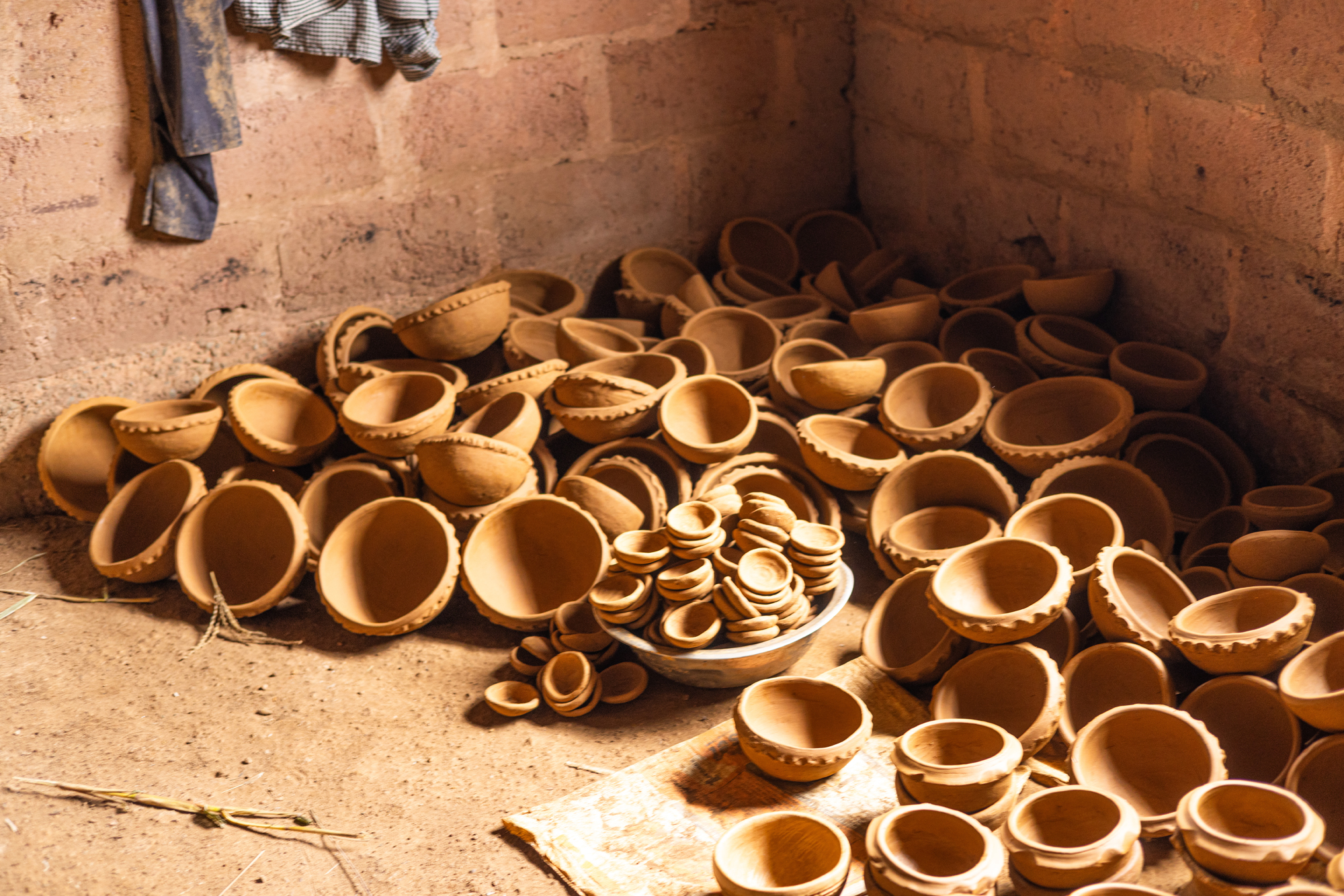
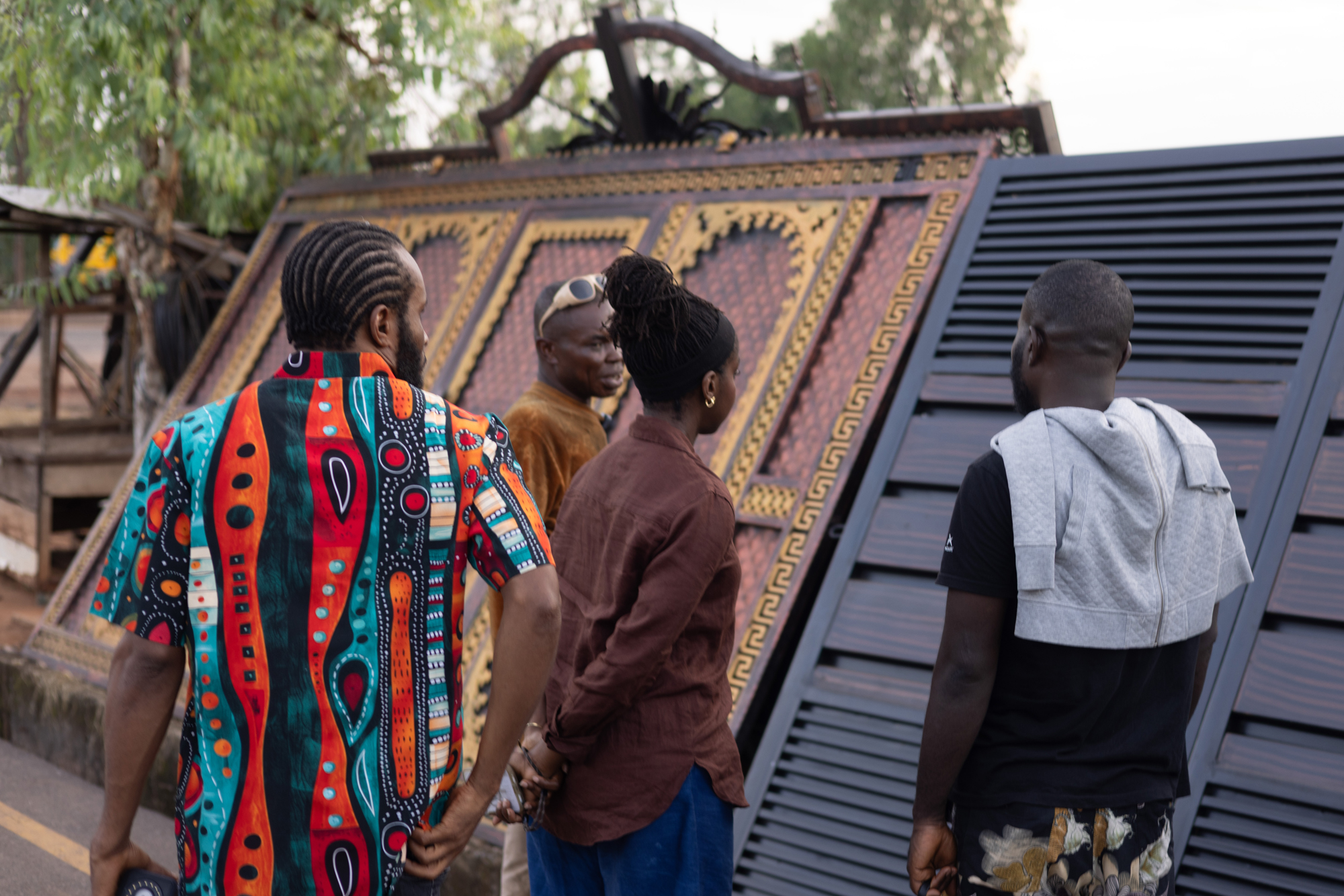
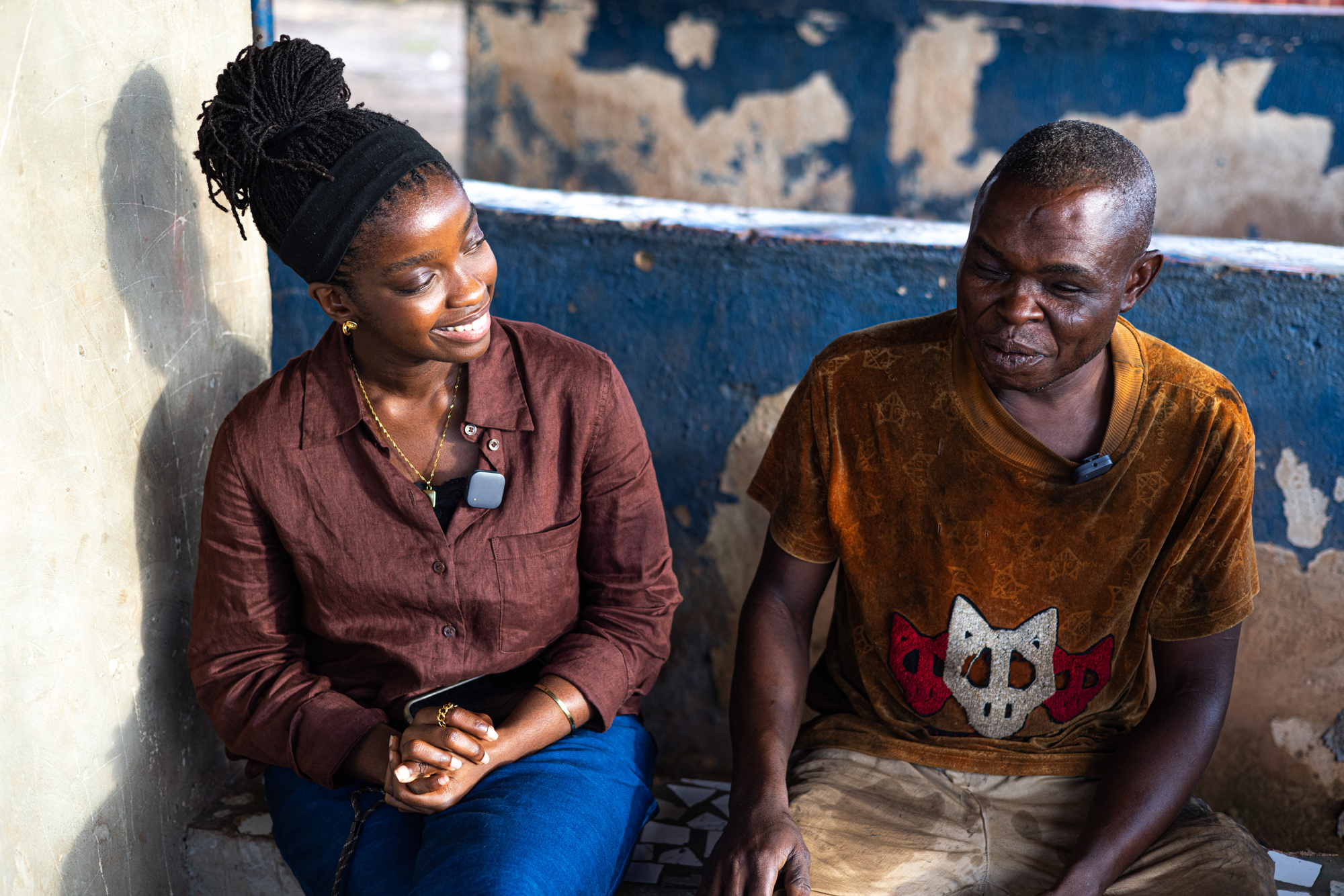
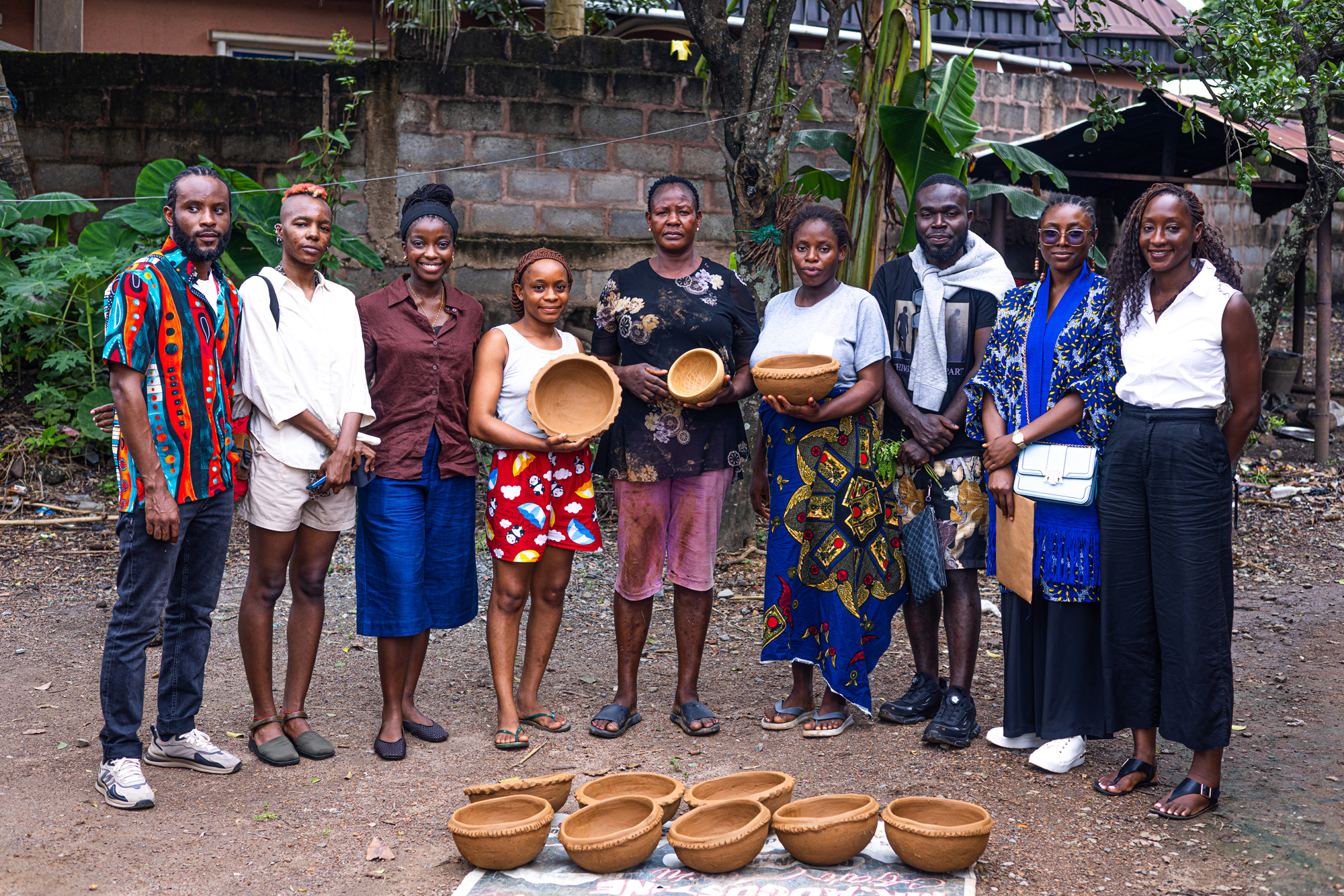
Enugu Listening Session
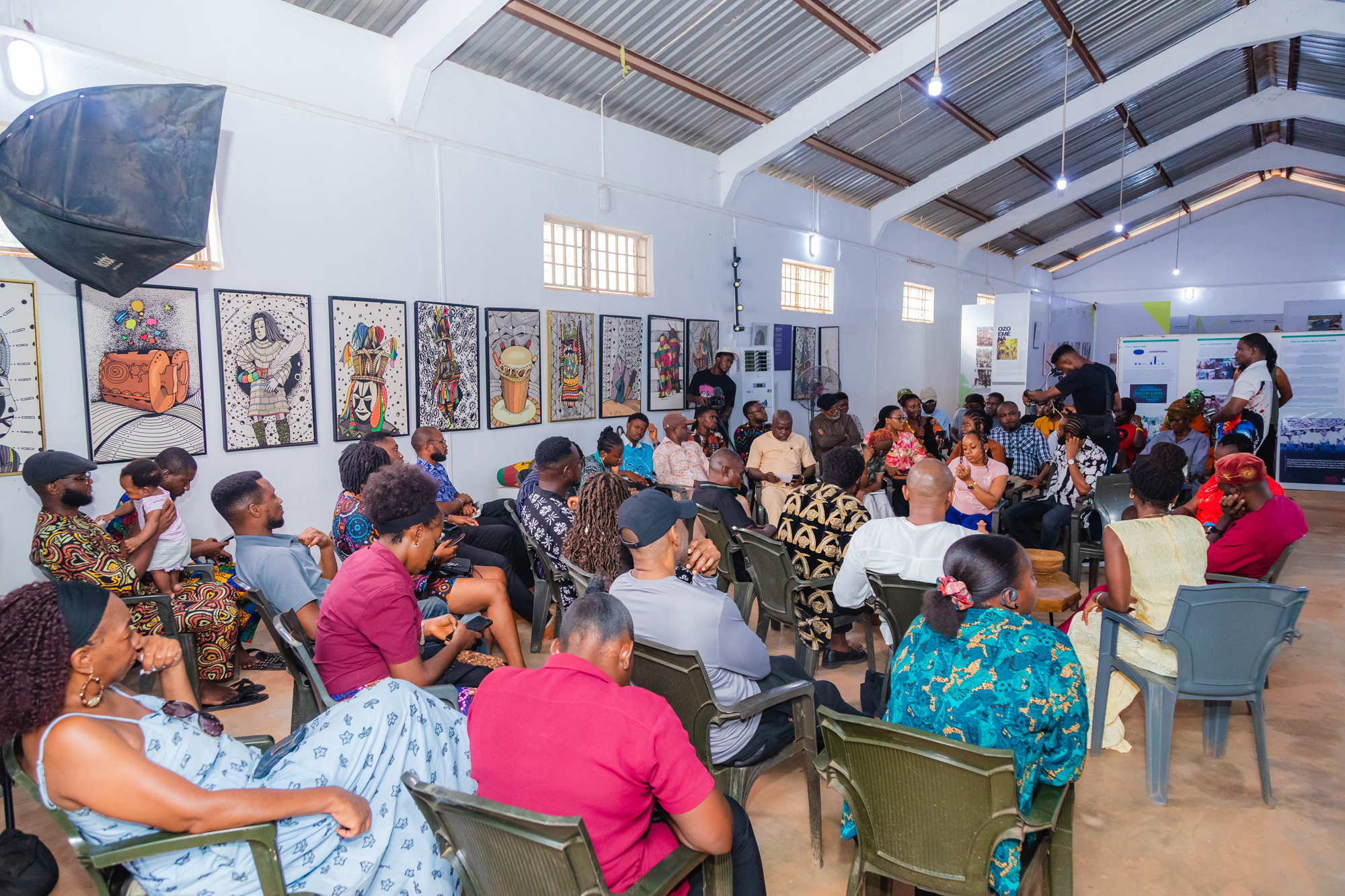
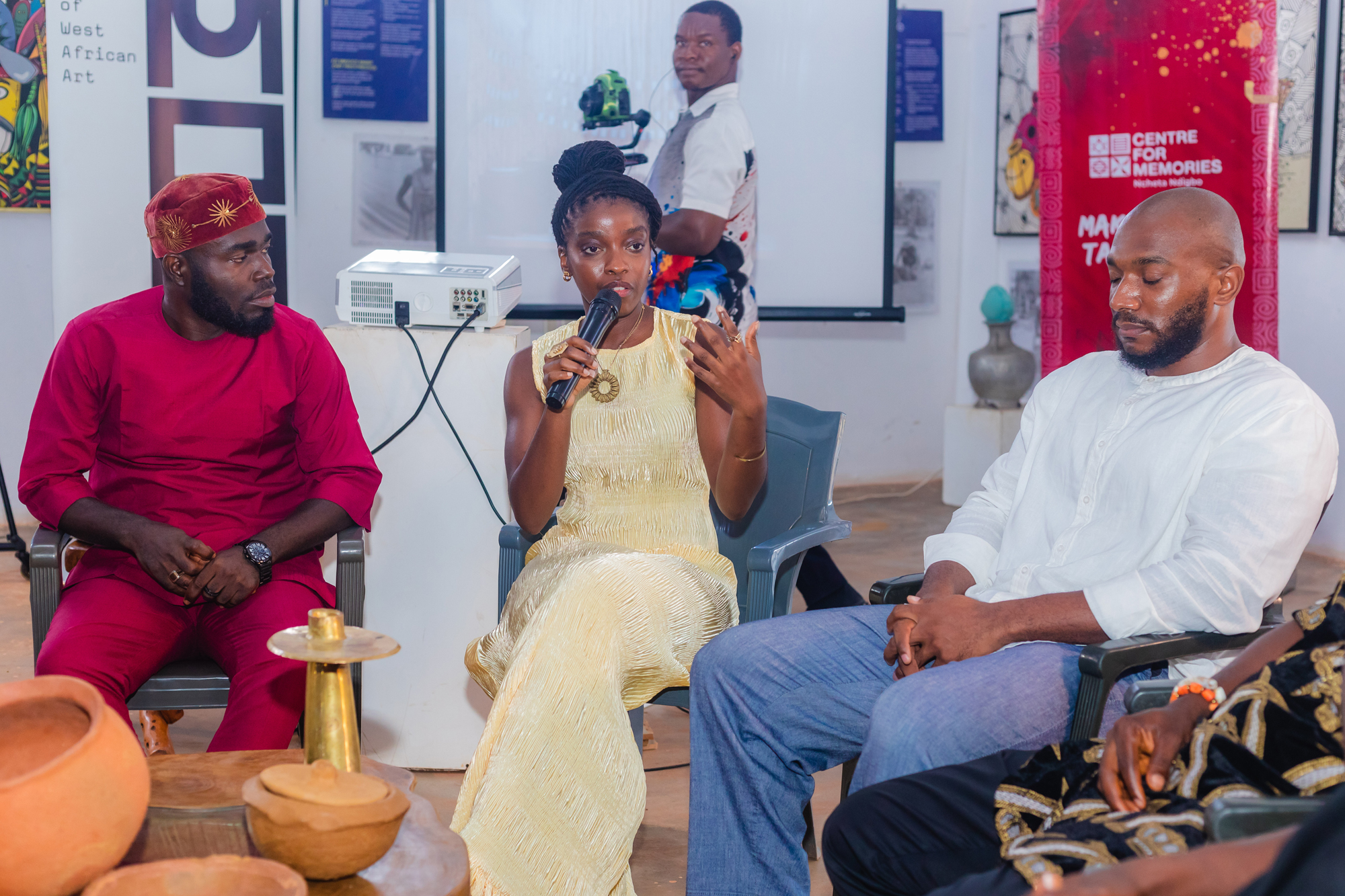
In August 2026, the Museum of West African Art (MOWAA) brought the final convening of its Listening Sessions series to Enugu.
Conceived as a space for reflection and exchange, the Listening Sessions invited diverse voices to shape the future of museums through dialogue, ideas and critical engagement.
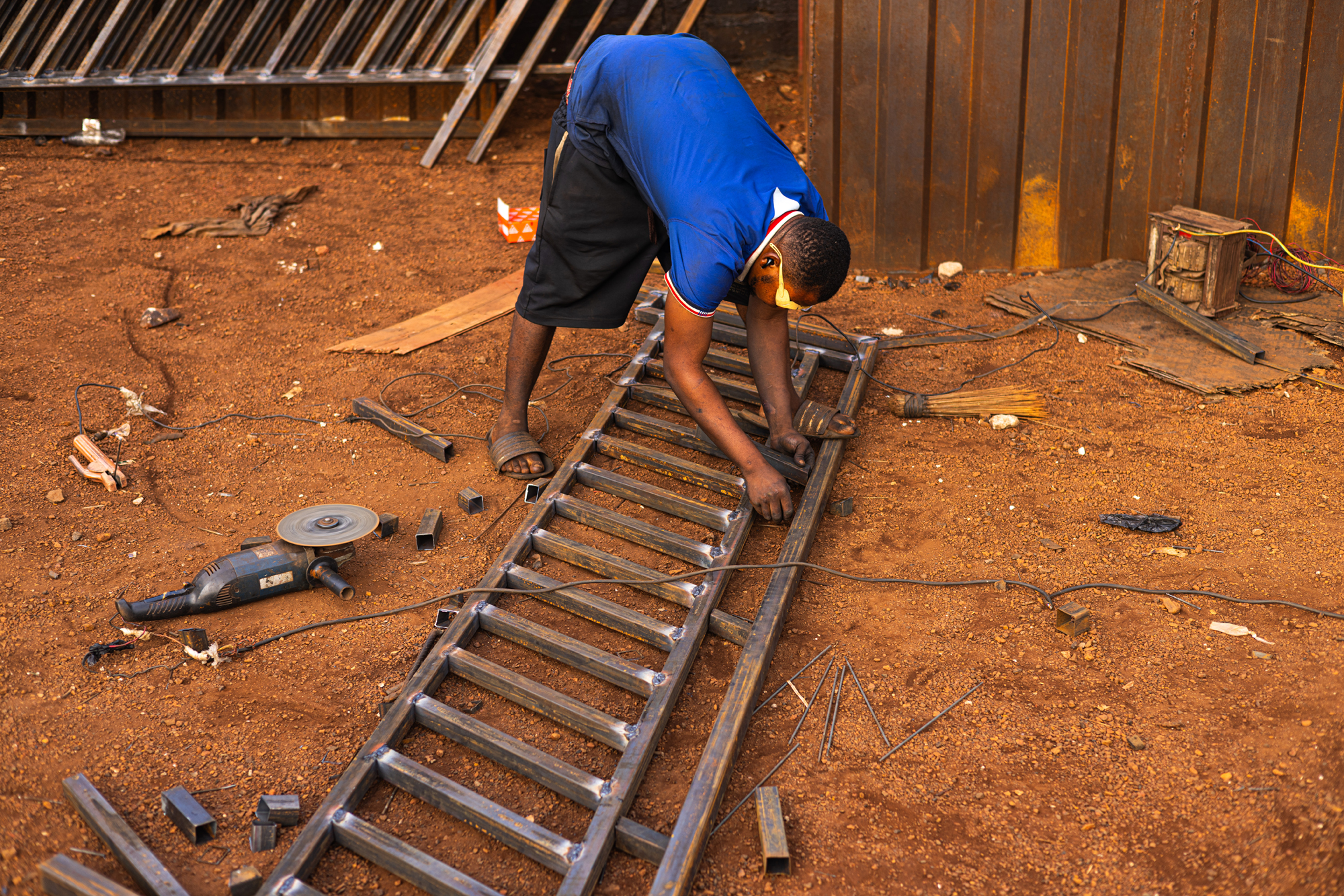
Through site visits, practitioner conversations and studio-based exchanges, the Enugu convening, titled The Living Archives: Recentering Crafts-making, brought together artists, artisans, designers, researchers, historians and emerging scholars across Enugu and Nsukka to explore the role museums can play in repositioning artisanal guilds and maker communities as vital partners in research, collections and public programming.
The convening was made possible through a collaboration between the Museum of West African Art (MOWAA), Homenka Studio and Centre for Memories – Ncheta Ndigbo.
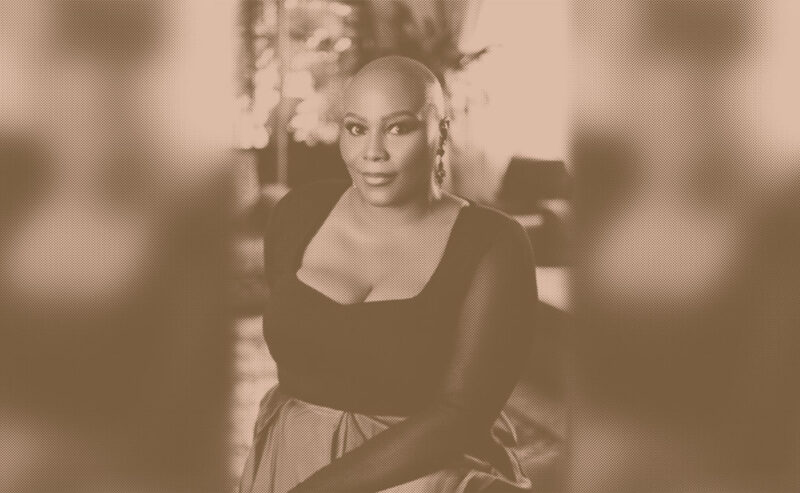
Read designer and researcher Zoë Chinonso Ene’s reflections on the session here.
New York Listening Session
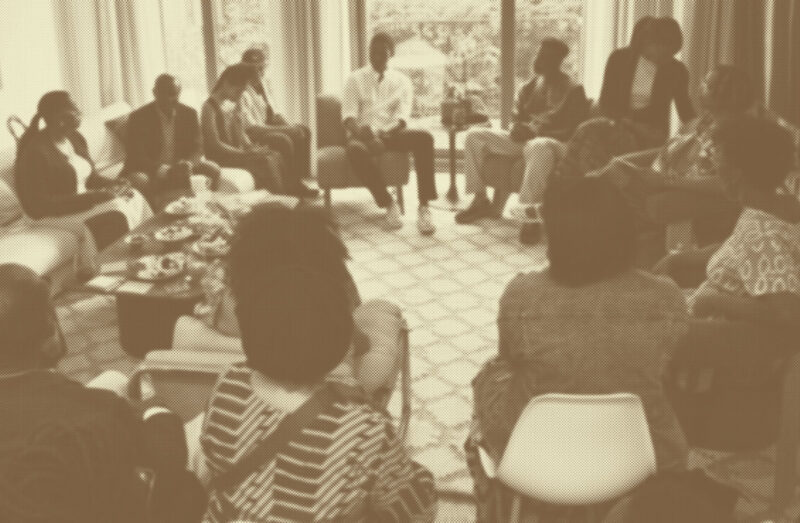
Following editions in Lagos and London, MOWAA's Listening Sessions continue with an intimate conversation in New York, hosted by Kemi Ilesanmi (art strategist), Olumide Wilkey (art patron), and Kwaku Andoh (Member of MOWAA's Development Board).
We gathered to ask what it means to look homeward.
Whatever the ties to the African continent, we explored how art lovers, supporters, and makers can transition from watching the continent's art institutions develop from afar to helping to shape and build them on the ground?
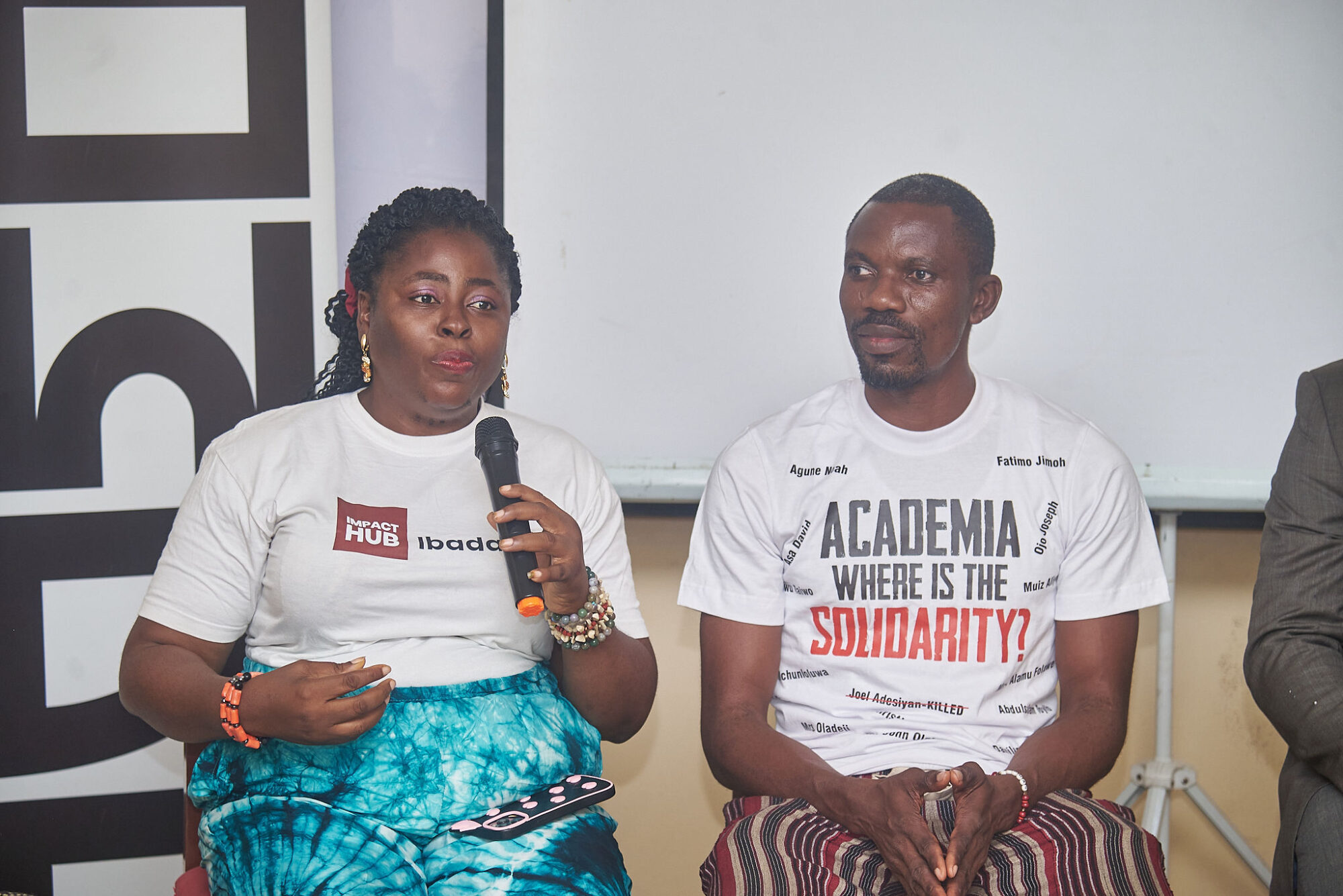
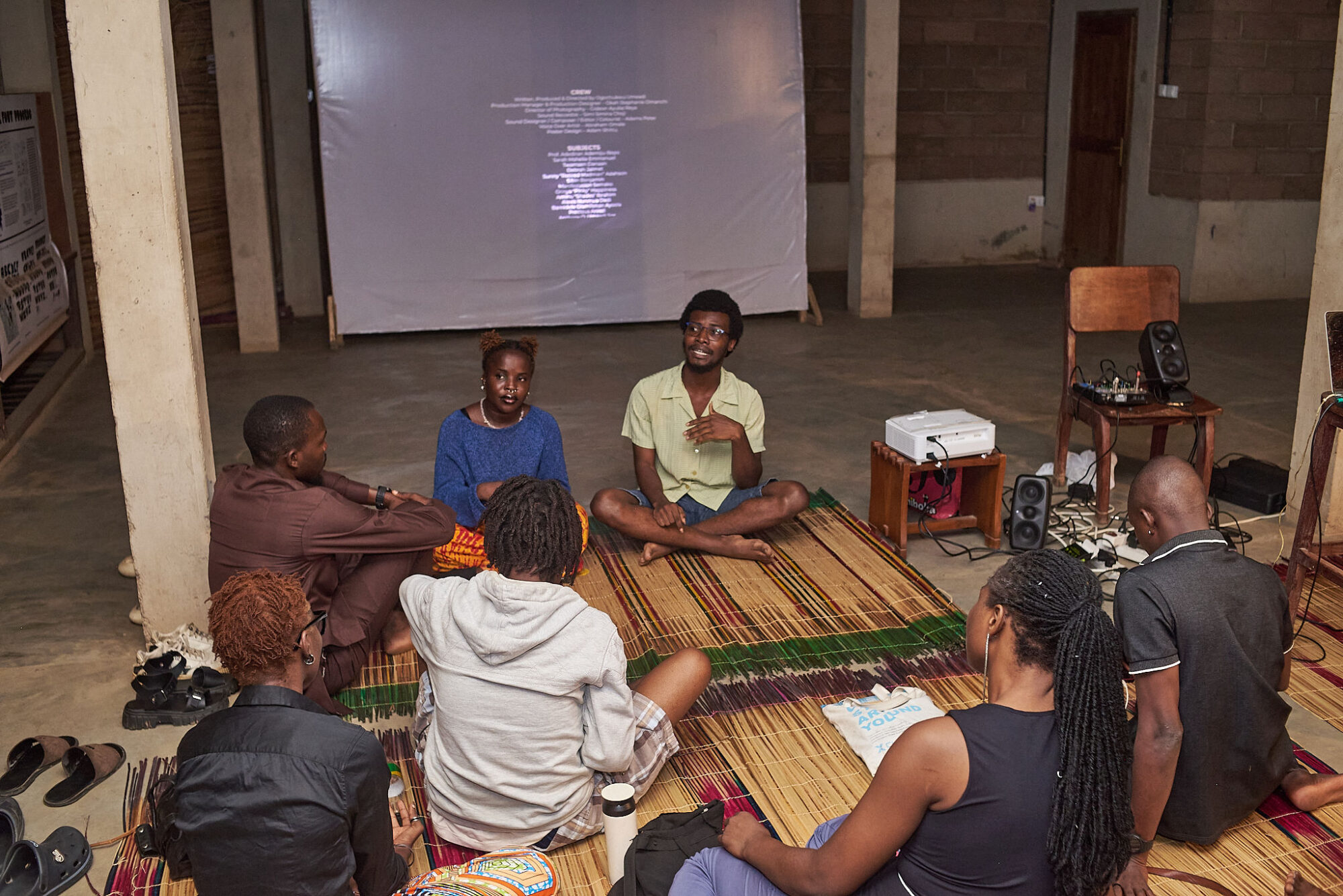
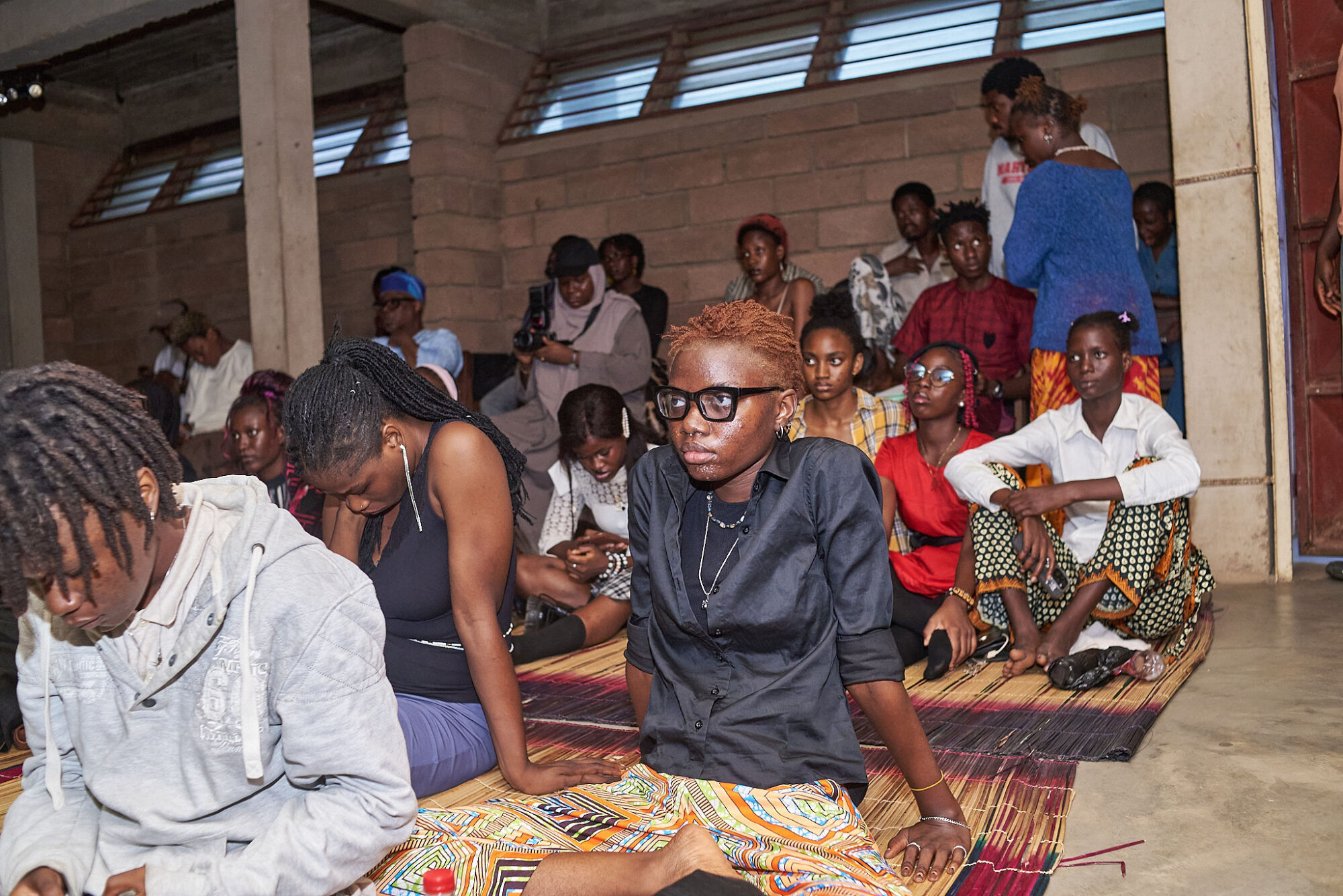
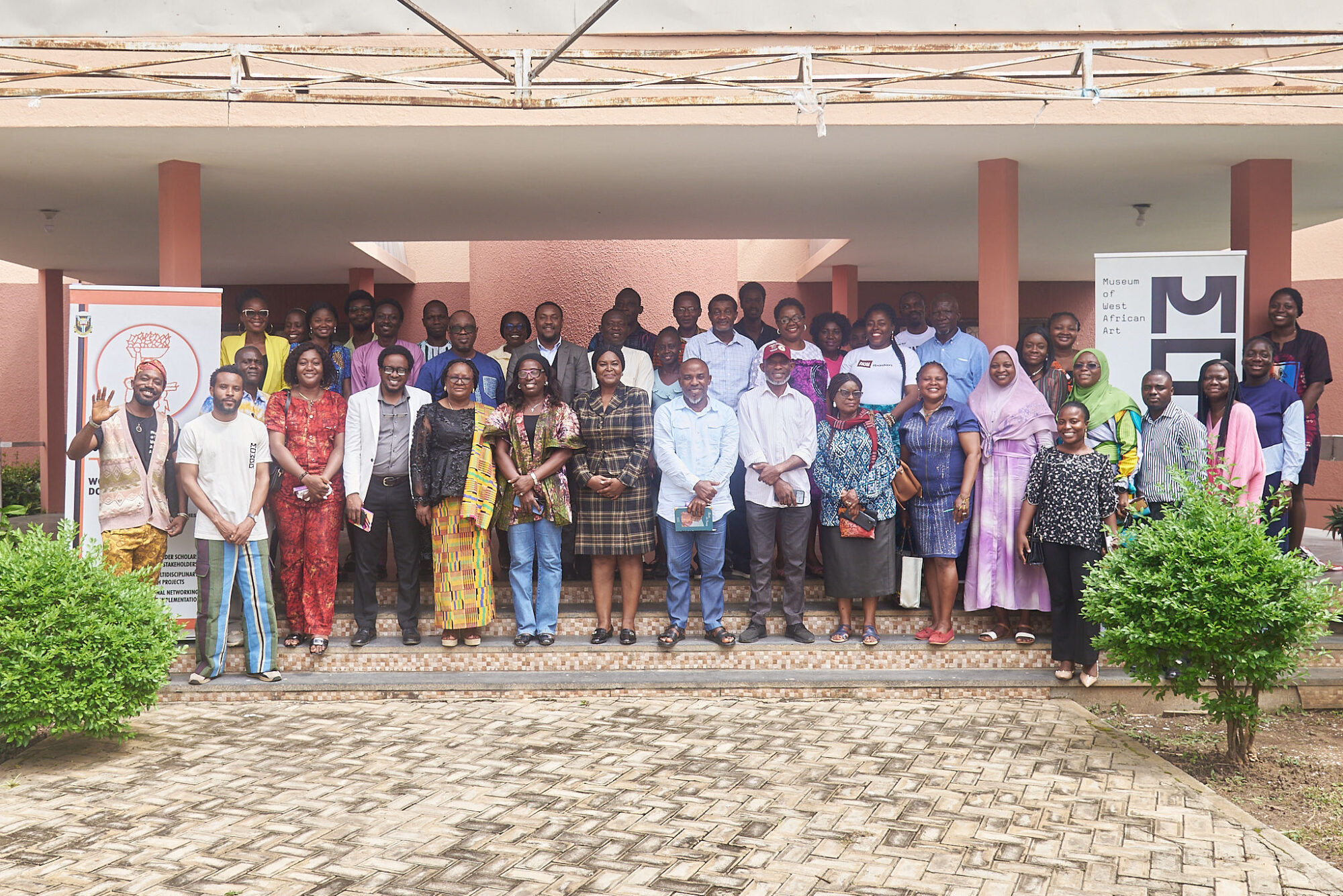
Who Are the Custodians – Indigenous Knowledge Beyond Institutional Walls
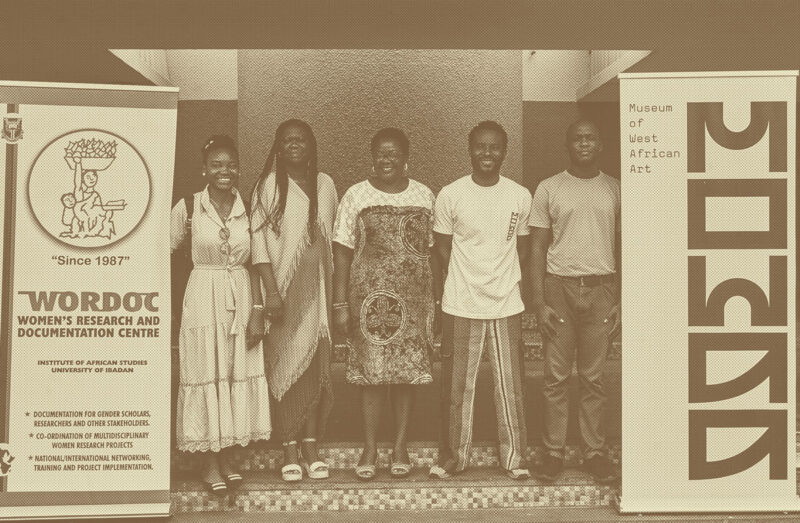
The Ibadan edition of the MOWAA Listening Sessions began with an informal evening of film, conversation and exchange at New Culture Studio. Bringing together artists, students, researchers and emerging cultural practitioners, the gathering created an opportunity to connect with local creative communities and introduce MOWAA's ongoing listening practice ahead of the following day's programme.
Featuring screenings of No Let Them Die by Ogochukwu Umeadi and OKPEN-EZE by Osakpolor Omoregie, the evening used film as a shared point of departure for conversation, encouraging participants to reflect on museums, heritage and public knowledge. The session formed part of MOWAA's commitment to building relationships and creating space for dialogue as we continue to shape the institution alongside the communities it serves.
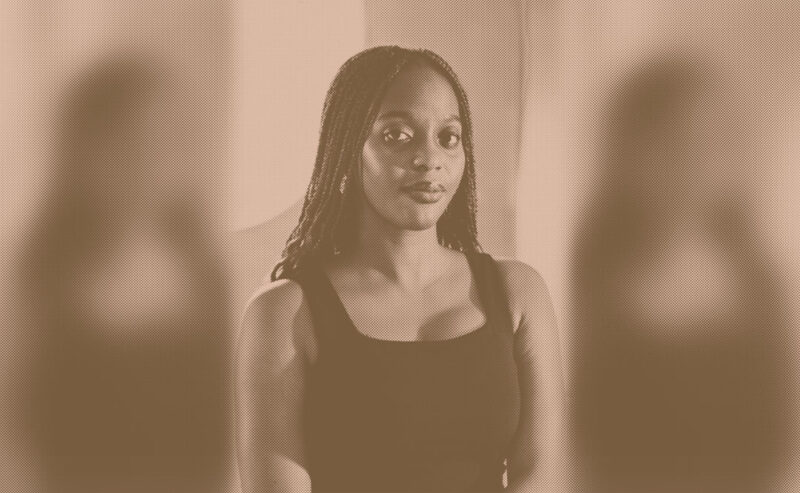
Read researcher and strategist Tolulope Ayotade’s reflections on the conversation that was held in her short essay here.
How to Build a Museum: Co-Creating Purpose with Young People
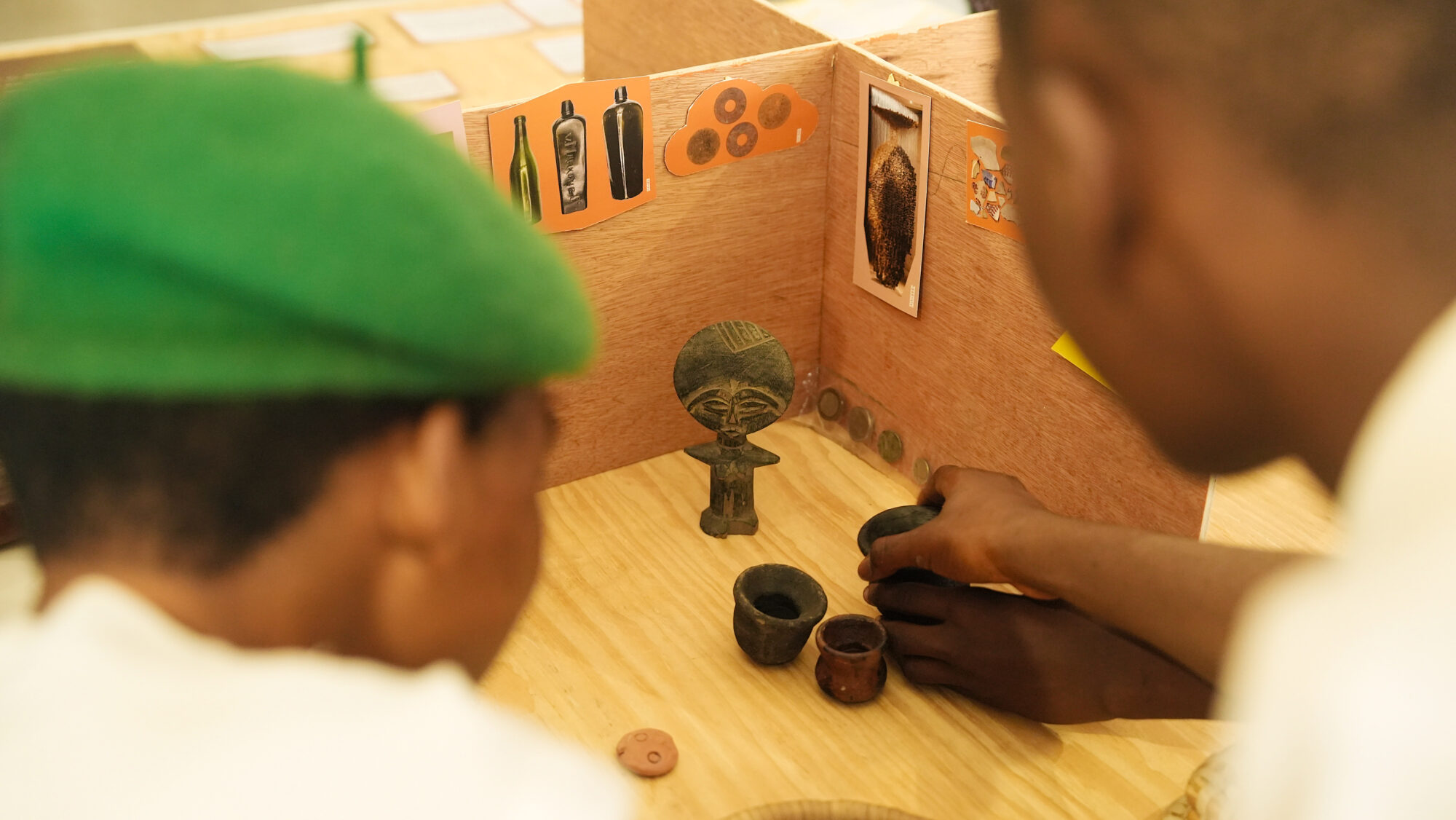
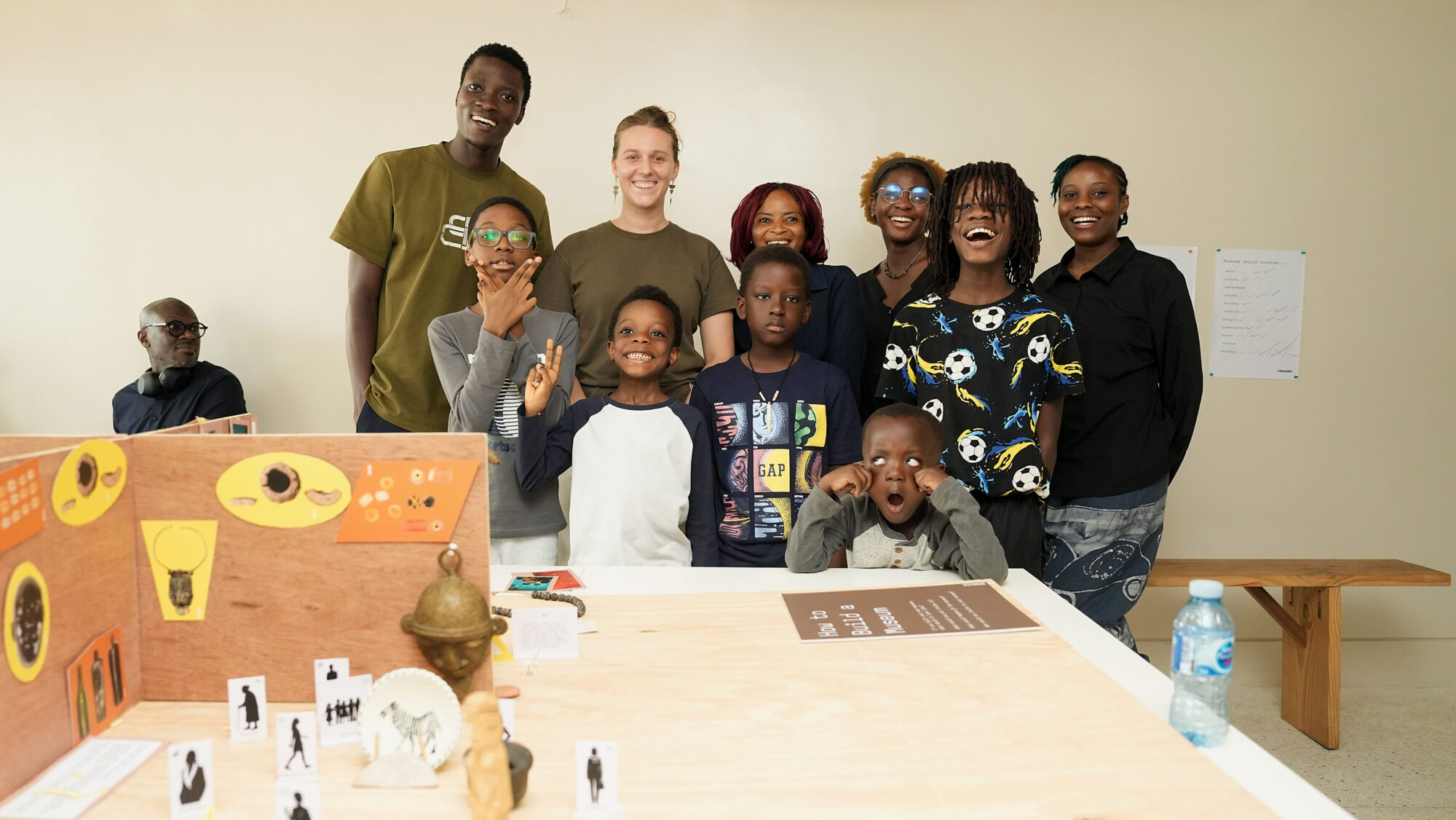
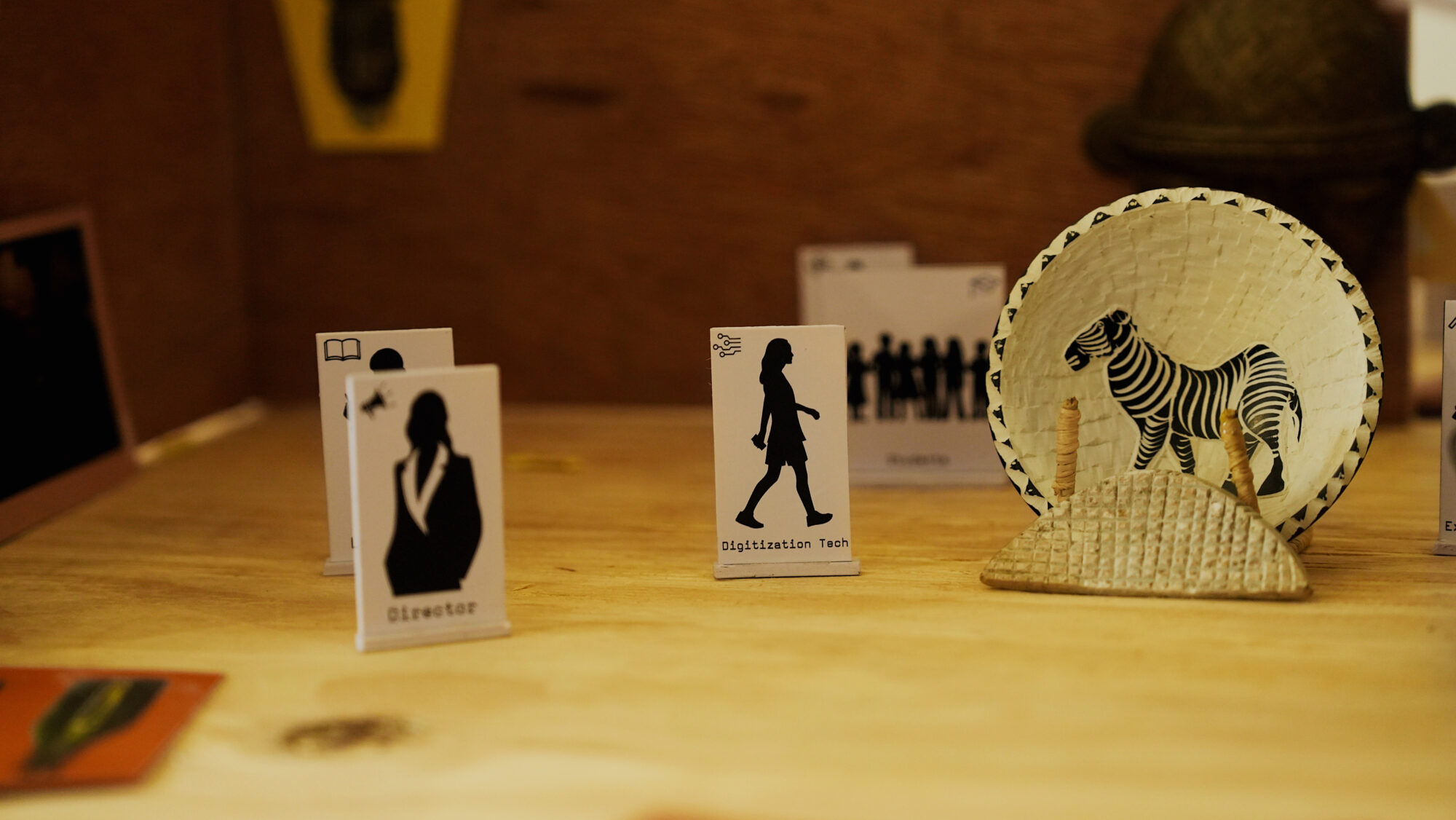
In this special edition of Listening Sessions, children and their guardians were invited to create, play, and imagine together. Through storytelling, hands-on activities, and creative exercises, families shared their ideas about what museums are and what they could become.
Collectively, participants asked and answered questions such as: what would a museum designed by children and families look like? What stories should it tell?
In collaboration with the Centre for Contemporary Art Lagos (CCA) and Studio P&C, this session took place at CCA, Lagos on Sunday, 24th May. We invited children, parents, guardians, and educators interested in art, culture, and learning through play.
Towards New Cultural Futures for Transatlantic Practice
Hosted by MOWAA Board Member Bimpe Nkontchou & co-hosted by Ebele Okobi, we engaged in the first of MOWAA’s overseas Listening Sessions in London titled ‘Towards New Cultural Futures for Transatlantic Practice’.
We considered what a more equitable transatlantic art world might look like in practice, and how it can be realised. In an afternoon of open, candid, and forward-looking exchange, we reflected on how practitioners navigate questions of legitimacy, consent, and representation across geographies; the role of diasporic art patrons and makers in institution building at home; and how knowledge, skills, and resources might circulate more meaningfully between diaspora and continent.
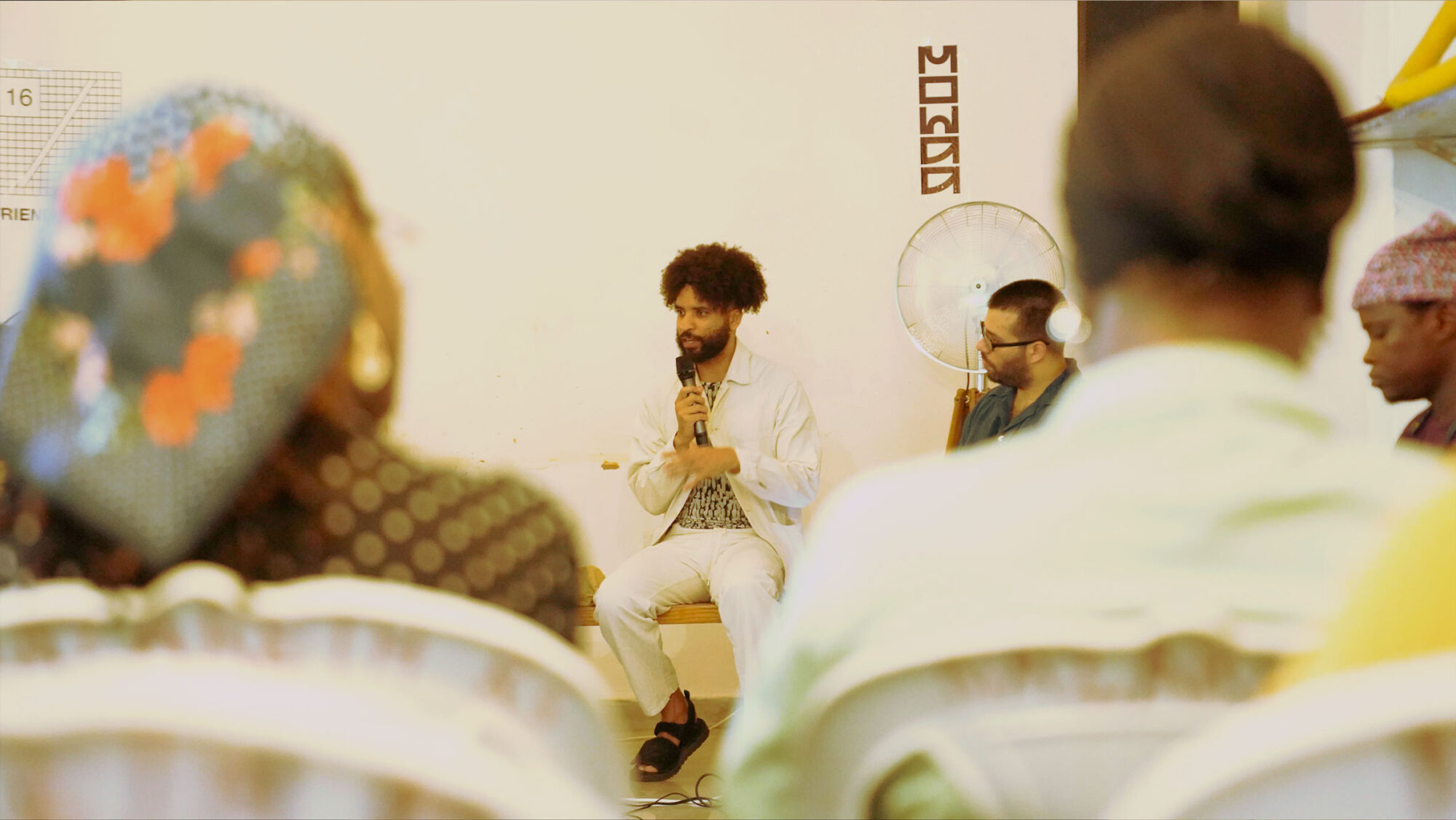
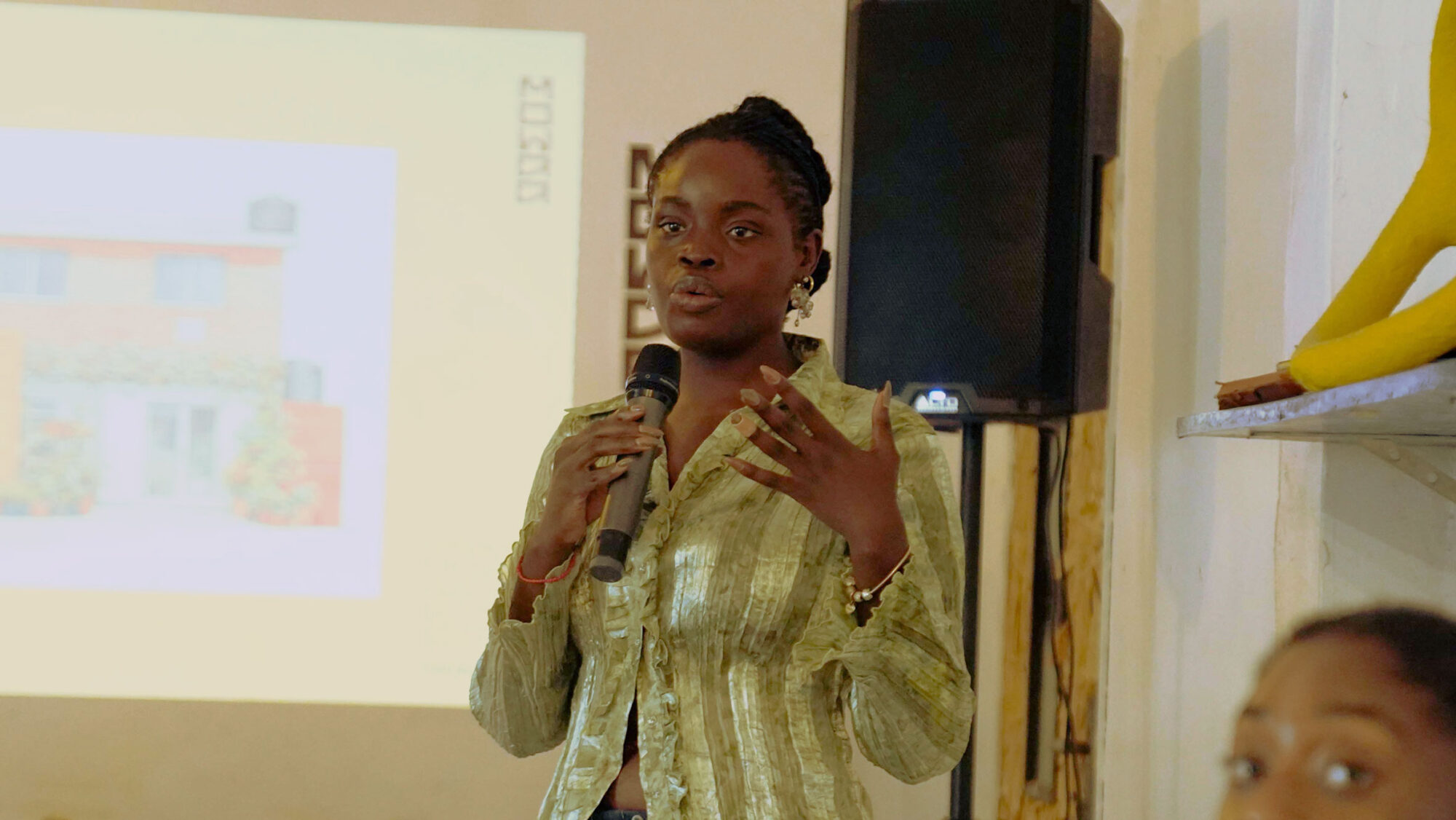
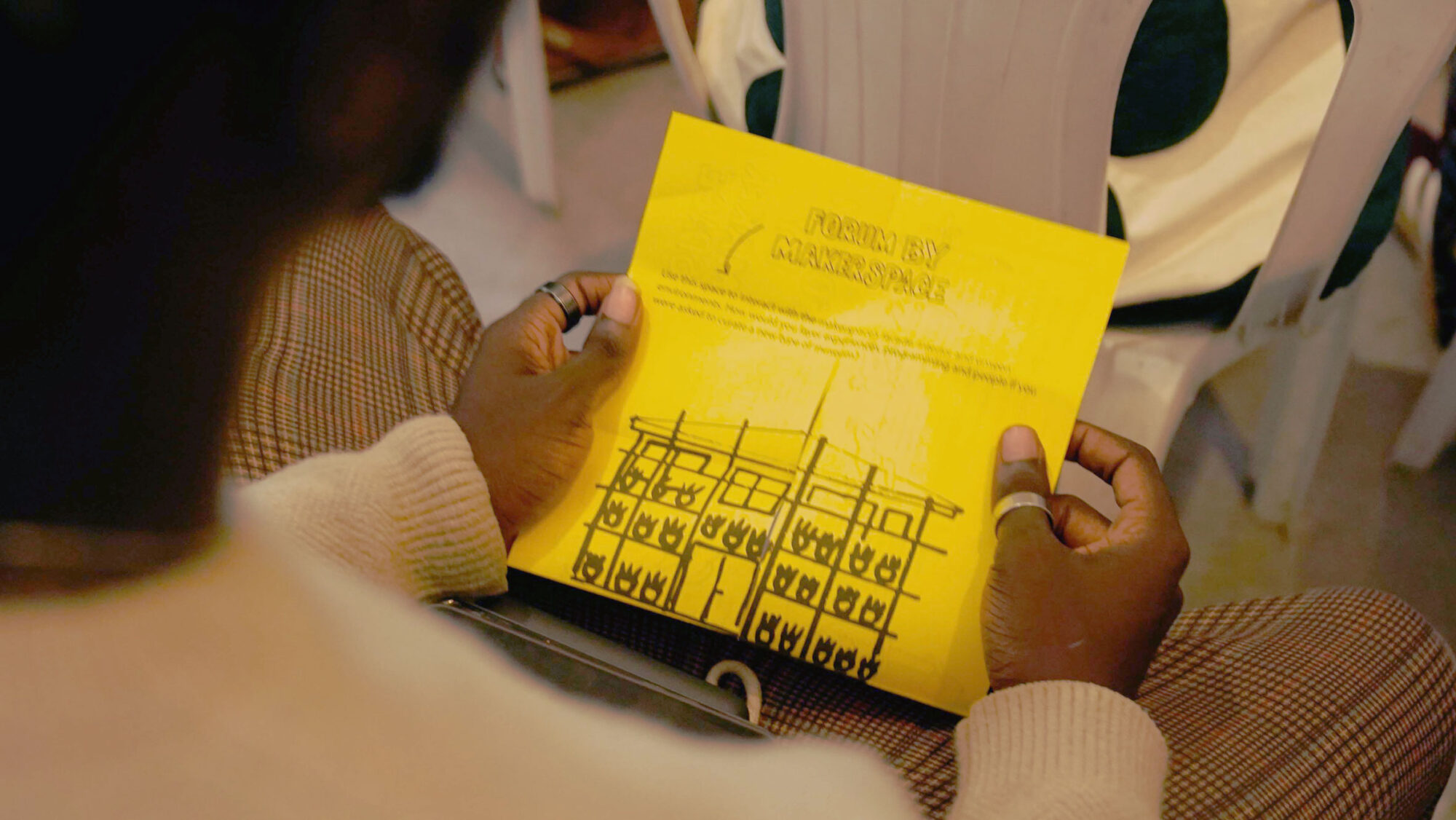
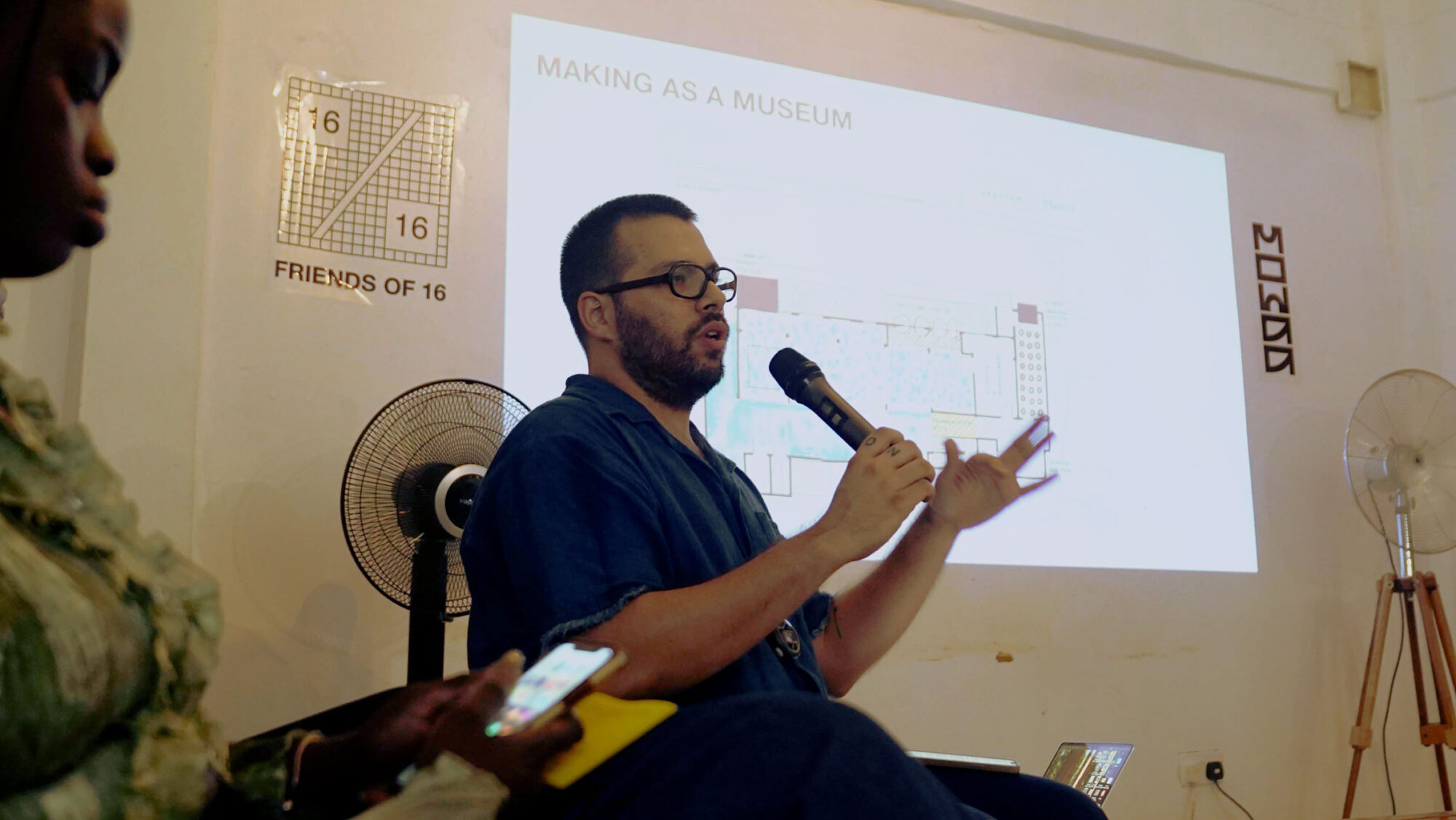
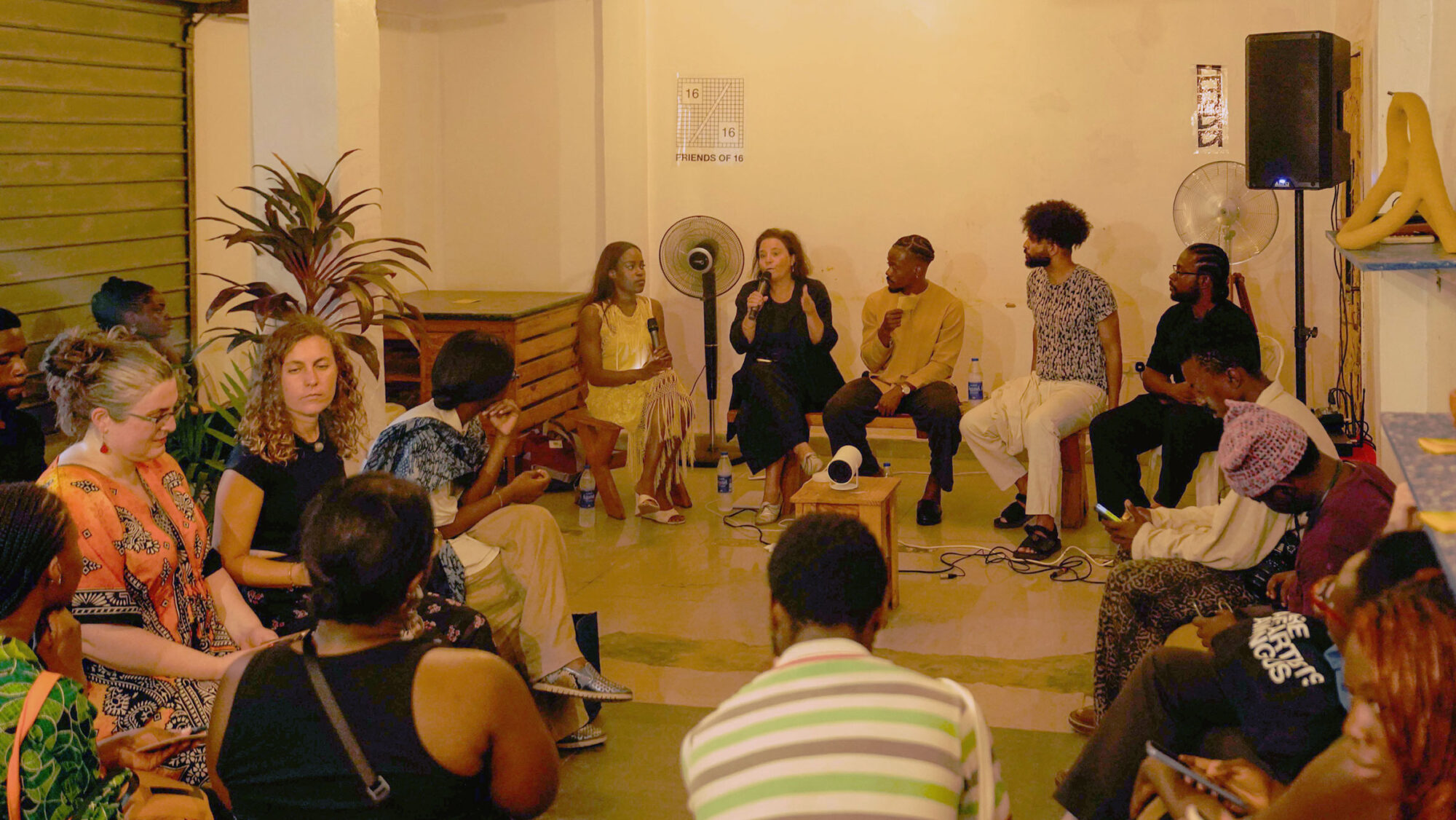
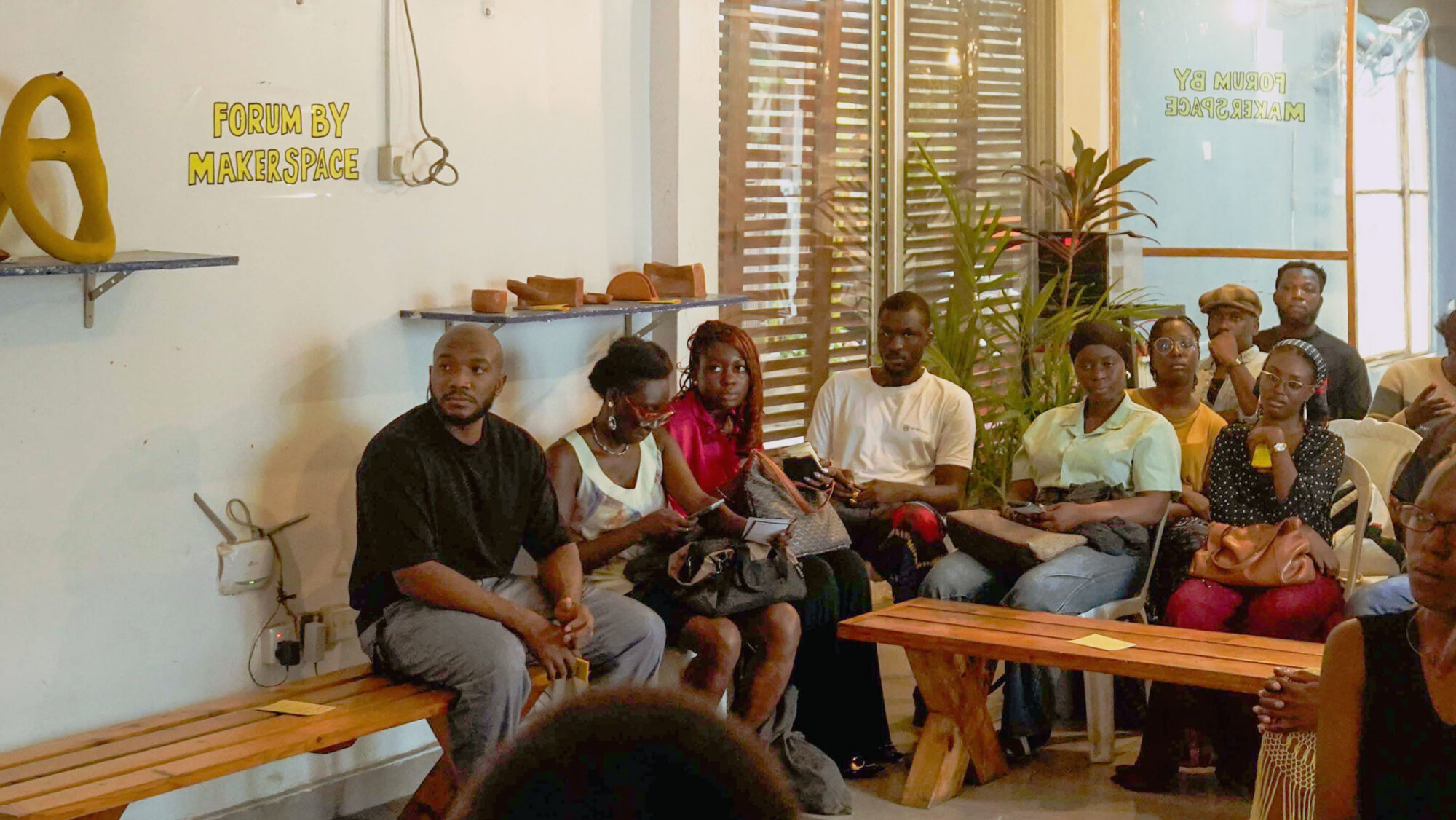
Forum by Makerspace
As part of MOWAA’s Listening Sessions, The Forum creates space for public voices to shape the institution through open dialogue and exchange.
This iteration was hosted at Makerspace, where conversations unfolded within a live creative environment alongside artists, practitioners and cultural networks active across Lagos. By situating the Forum within an existing community space, the session explored how museums can learn from the people and practices already driving cultural life.
The ideas, critiques and reflections shared during the session will continue to inform MOWAA’s approach to programmes, exhibitions and public engagement.
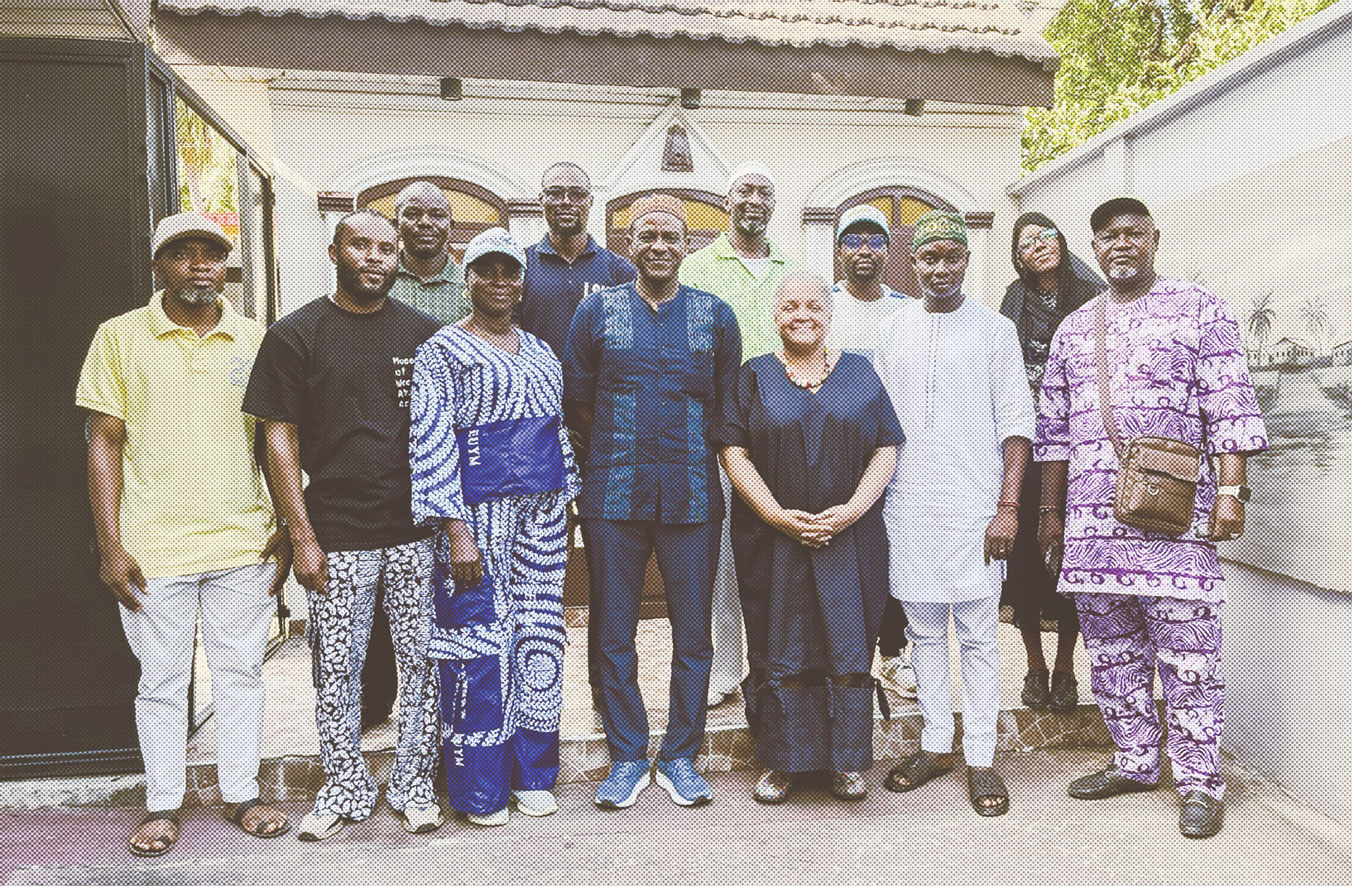
Owambe: Play, Performance, and Decentring Power at Fanti Carnival
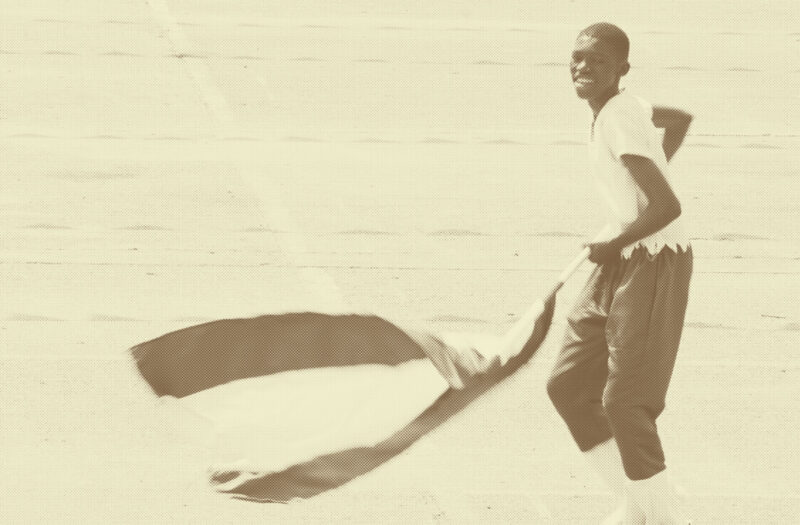
Hosted across Lagos Island, Owambe is a multi-day Listening Sessions programme exploring play, performance, and the ways cultural knowledge is held, shared, and sustained within community spaces. Across several days, MOWAA moved through rehearsal grounds, festival spaces, and community roundtables as a guest observer, entering into forms of learning already in motion.
The programme began on 4 April at Tafawa Balewa Square, where MOWAA joined the Fanti Carnival rehearsal as participants. This first encounter centred embodied listening, treating the rehearsal ground as a living archive and a site of knowledge shaped by movement, memory, and collective practice.
On 6 April, the team attended Fanti Fest and engaged with the day’s programmes, performances, and public gathering. The series concluded on 10 April with a focused conversation bringing together Fanti community heads and wider community members to reflect on intergenerational knowledge transfer, continuity, and Lagos Island’s role in carrying this memory forward.
Across each moment, Owambe asked what it means for a museum to learn from community-led practice, and how institutions might become more embedded, responsive, and accountable to the people whose histories they seek to hold.
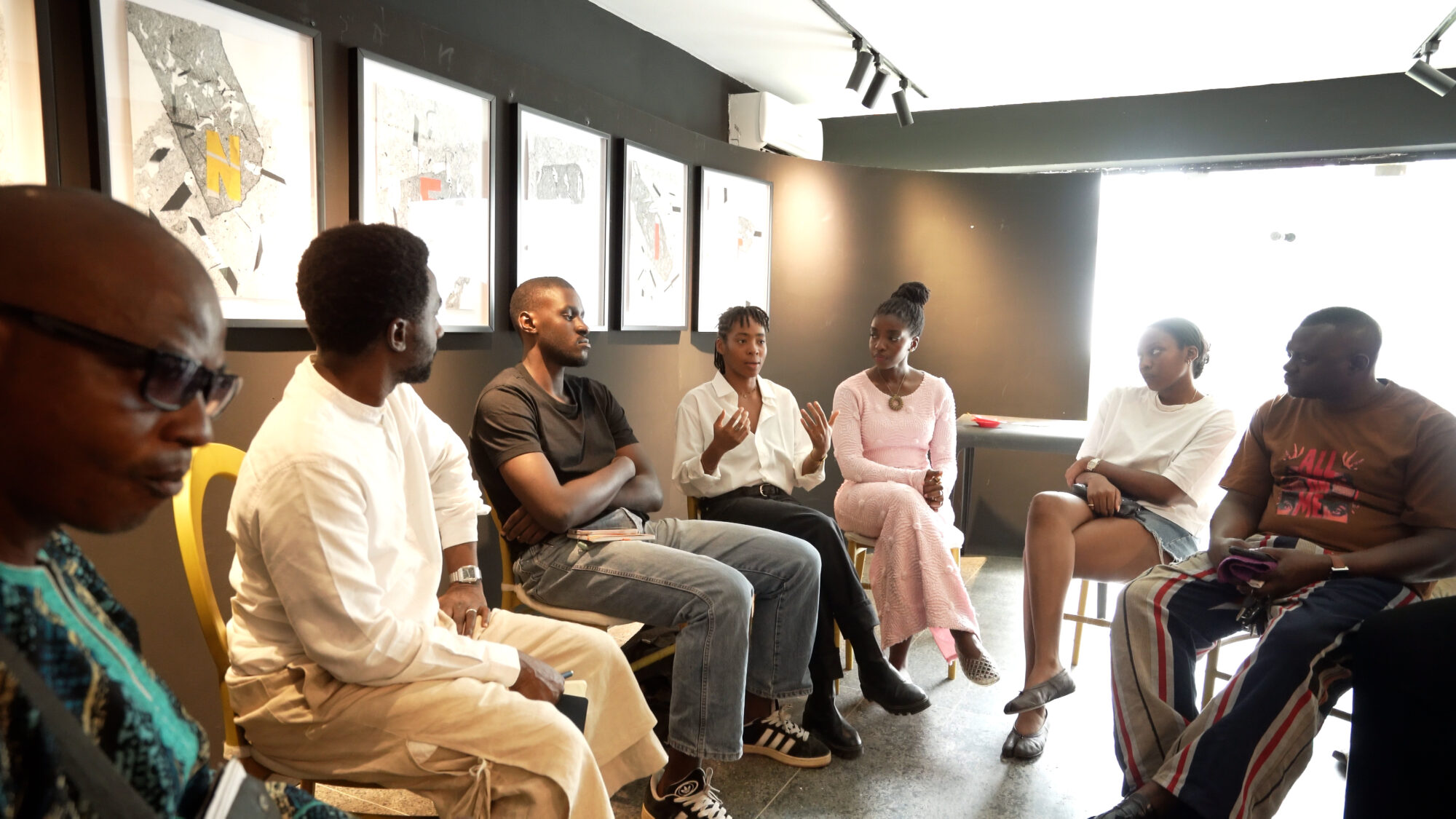
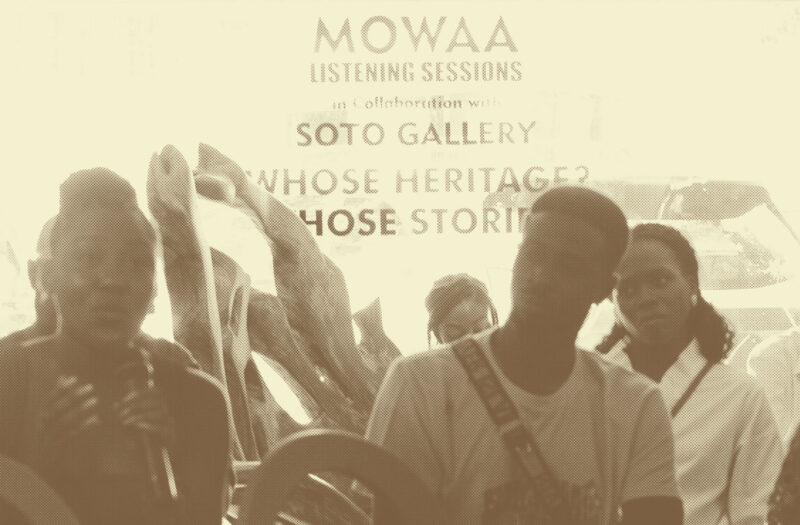
'Whose Stories? Whose Heritage?' with SOTO Gallery
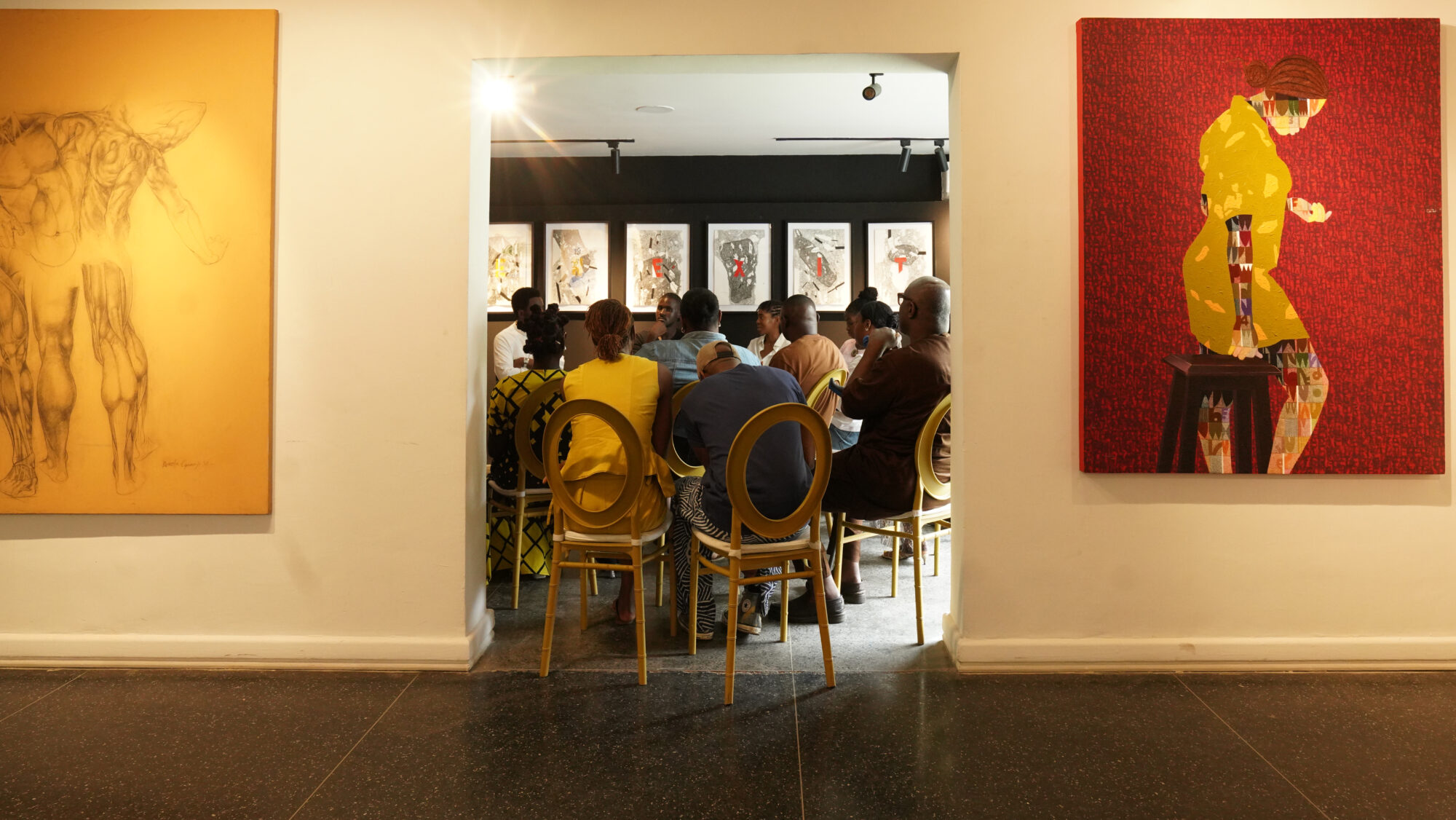
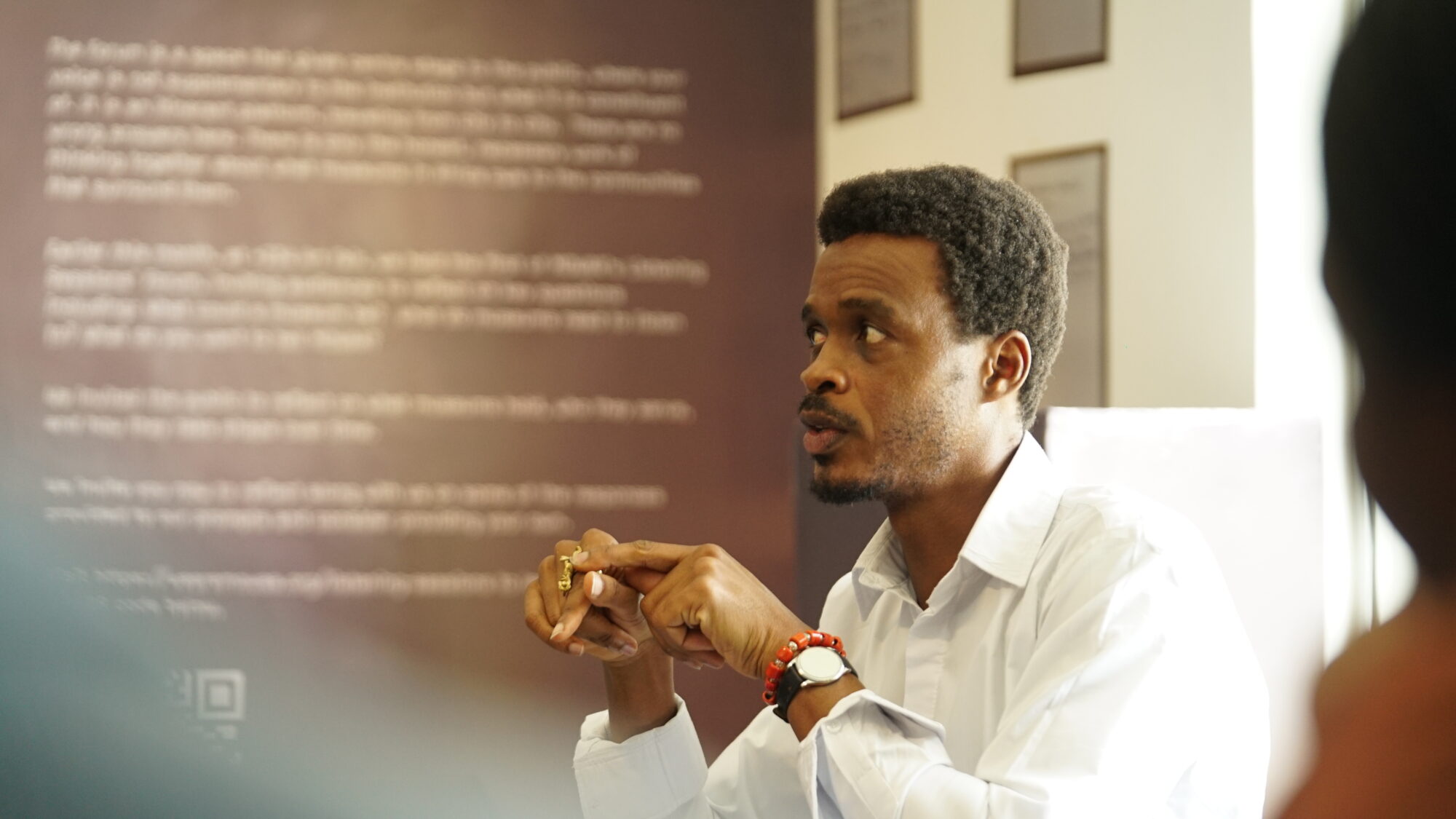
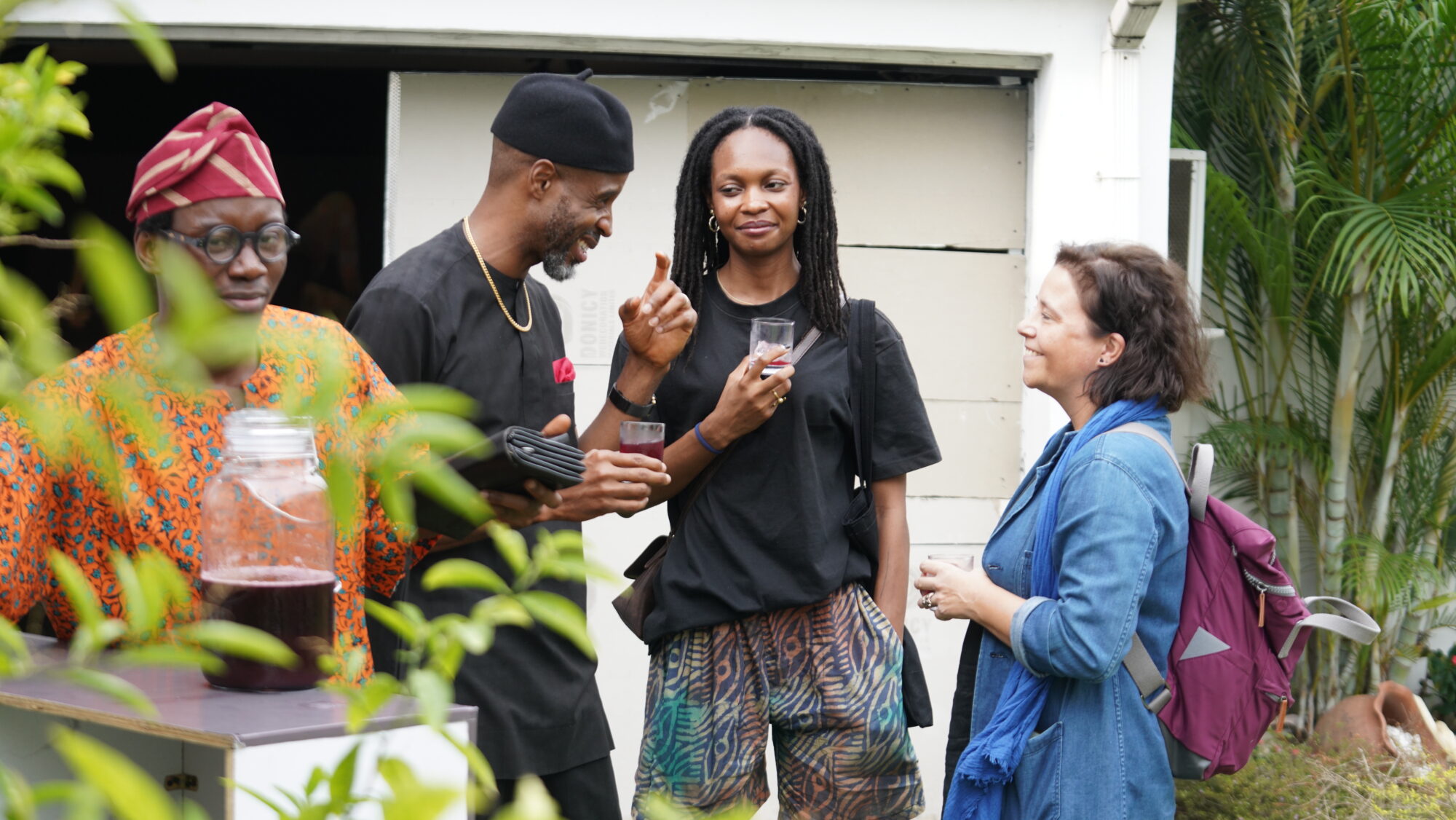
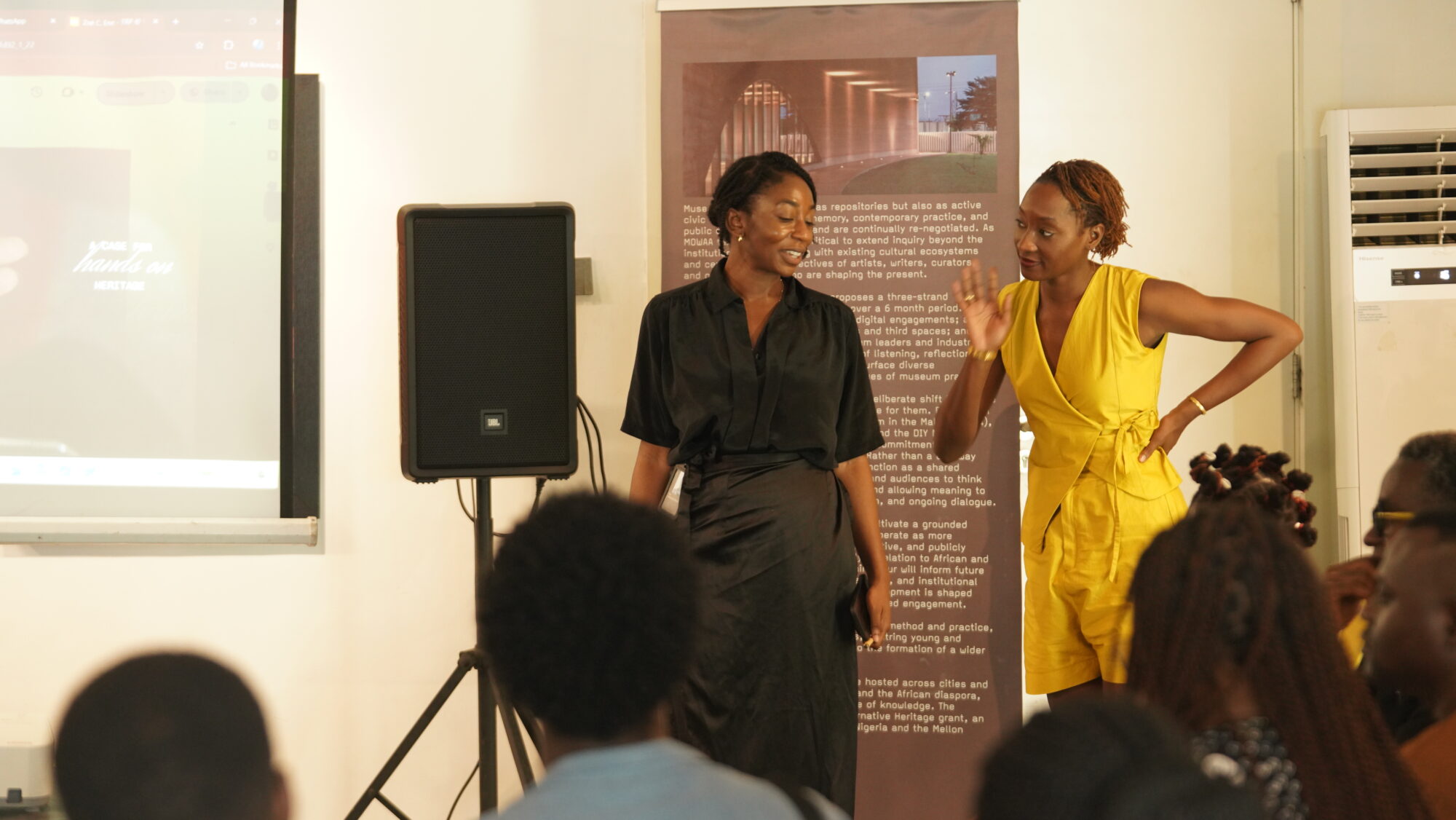
Hosted by SOTO Gallery on Saturday 28th March, creative professionals, researchers, cultural practitioners and members of the general public gathered to ask some of the most pressing questions facing African museums today: Who is heritage for? Who feels at home in the museum? When institutions translate community histories for wider audiences, what is flattened or left behind?
For MOWAA, these questions are not abstract. They speak directly to how our programmes and exhibitions cater to local and diasporic audiences - and what our choices reveal about belonging.
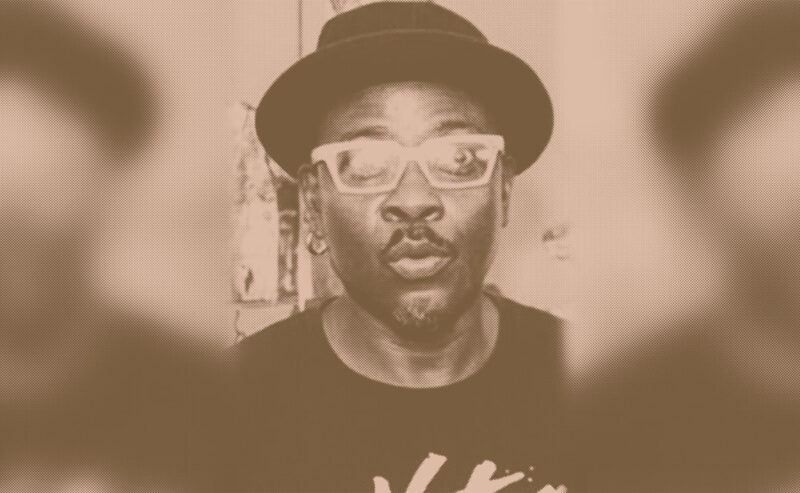
Conversations featured research from Zoë Ene, poetic provocations by Benita Oseremi and Joseph Ndukwu of Onoma Creative Circle (Benin City), and group discussions led by Papa Omotayo (MOE+ Art Architecture) and Lagos Biennale Director Folakunle Oshun.
'The Forum' at +234 Lagos
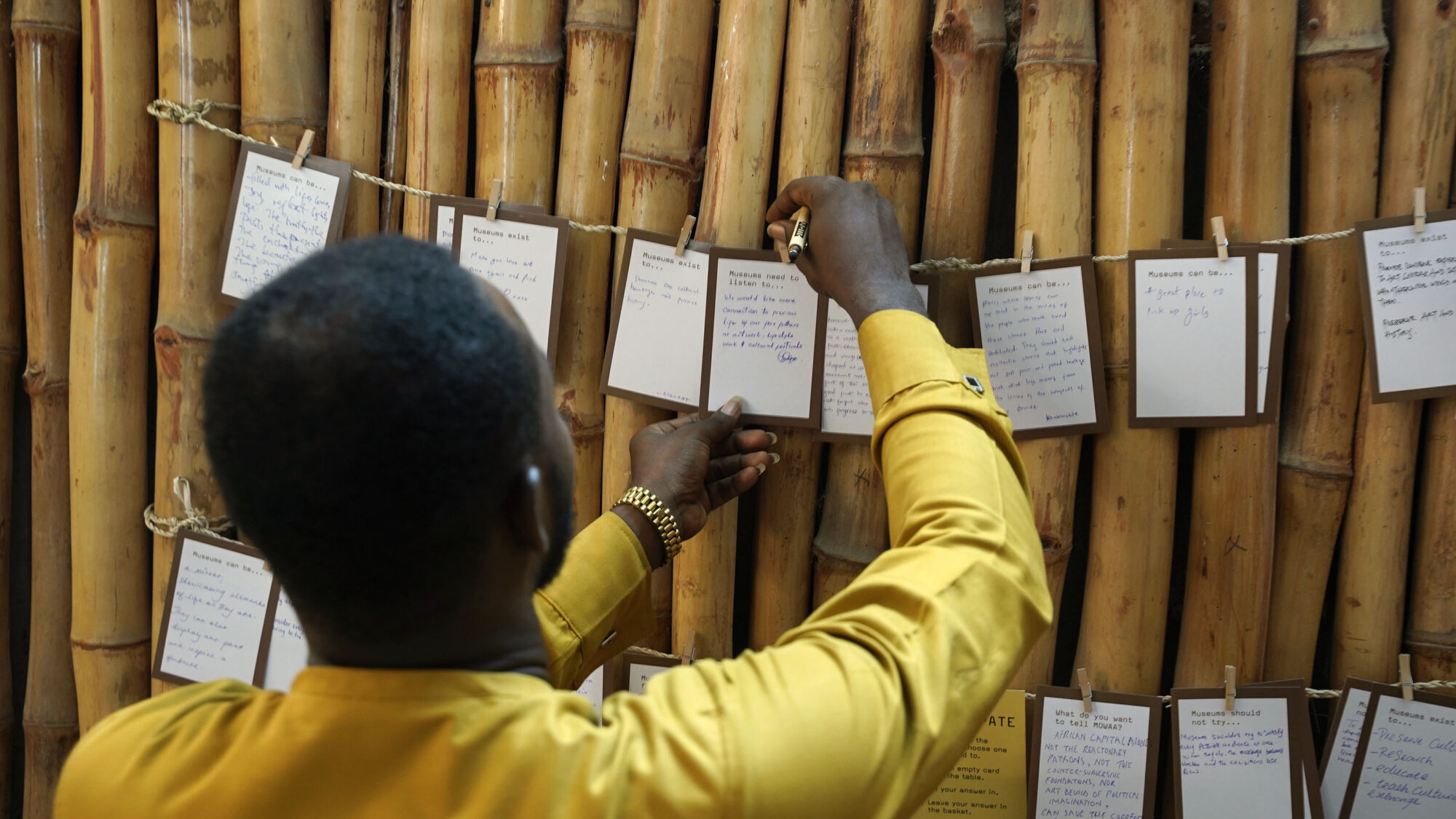
The first of the LISTENING SESSIONS took place at the +234 Art Fair in Lagos, Nigeria on 5–8 March 2026 inviting the public to shape the future of the Museum of West African Art by lending their voices, ideas, and critiques.
Titled ‘The Forum’, the platform invited hundreds of visitors to reflect on what cultural institutions can be and whom they should serve. Conceived as an itinerant format, ‘The Forum’ will travel between cities as part of the Listening Sessions programme.