July 2026 News Bulletin
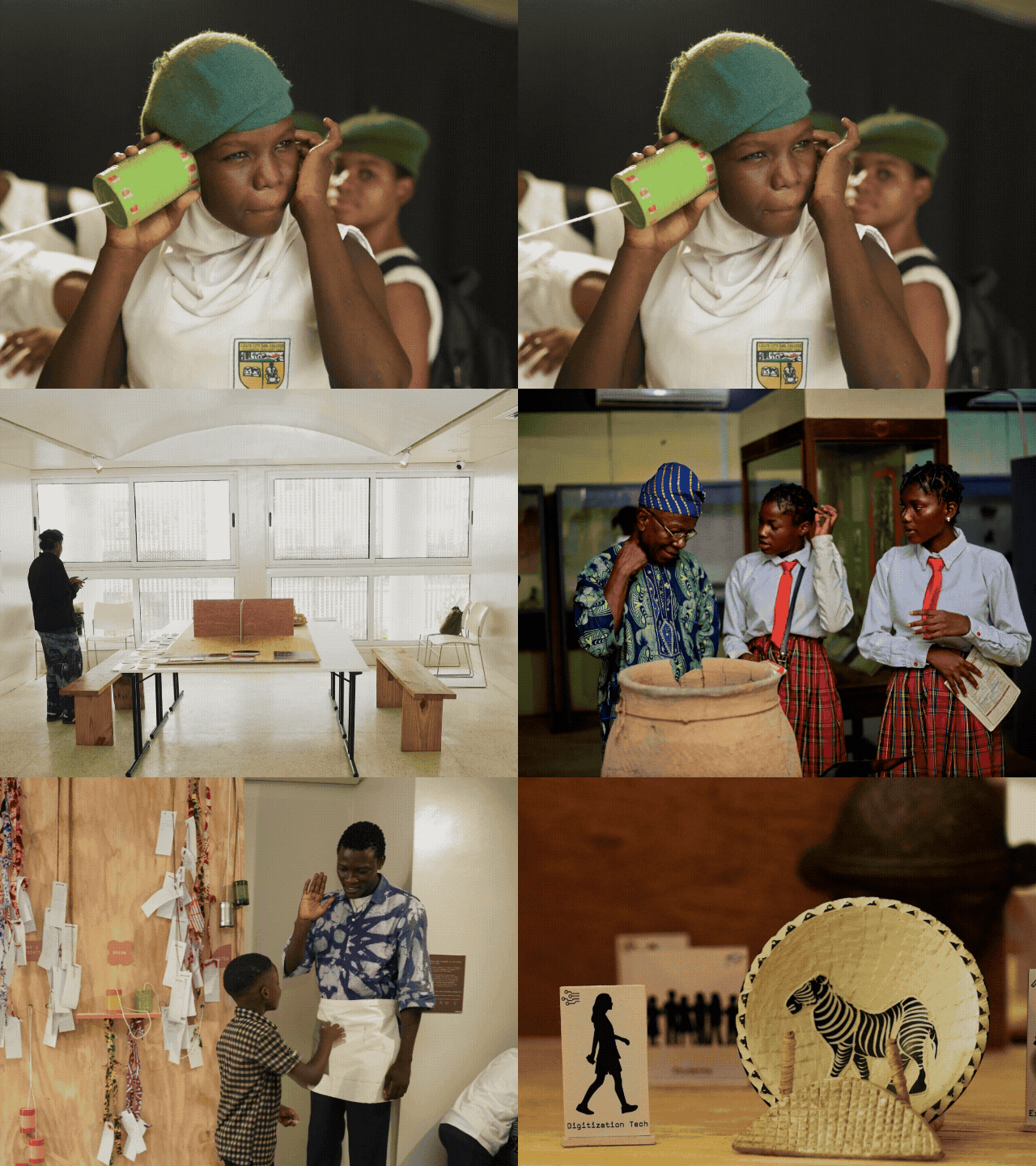
As we continue to shape this next phase of our work and engage in reflection and dialogue with our stakeholders, MOWAA's Atrium and Nigeria Imaginary: Homecoming exhibition continue to operate as active sites of exchange and research, sustaining the rhythm of our academic and institutional function.
Campus Updates
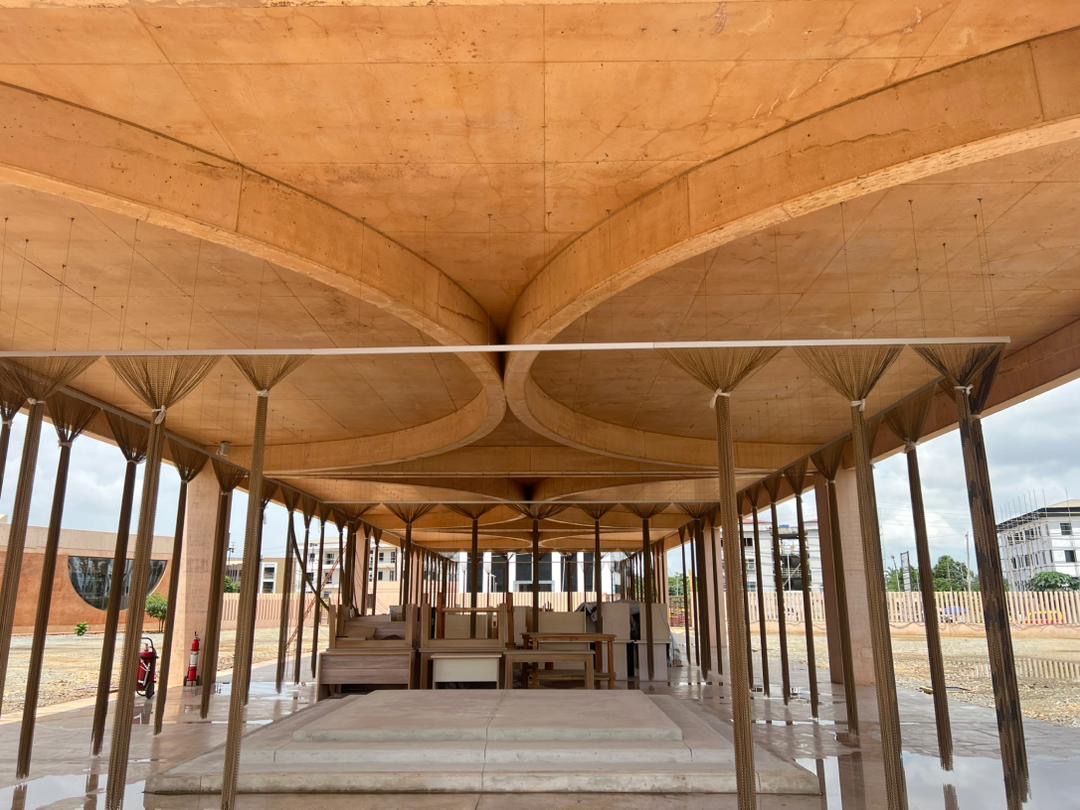
MOWAA’s Welcome Pavilion is now complete on our Benin City campus. Constructed from laterite concrete and designed by architects at Adjaye Associates, the 675-square-metre open-air structure serves as a gateway into the MOWAA Institute.
Organised into three flexible 225-square-metre sections, the pavilion has been designed to support a range of visitor experiences and public programmes. The first space features a monolithic reception desk, providing a central point of arrival and orientation for guests. The second will house the MOWAA Shop, offering a curated selection of books, objects, and exhibition merchandise, with an online shop set to launch later this year. The third and final space of the Welcome Pavilion has been conceived as a flexible venue for outdoor exhibitions, installations, performances, and community gatherings. We look forward to making use of all it has to offer.
Listening Sessions
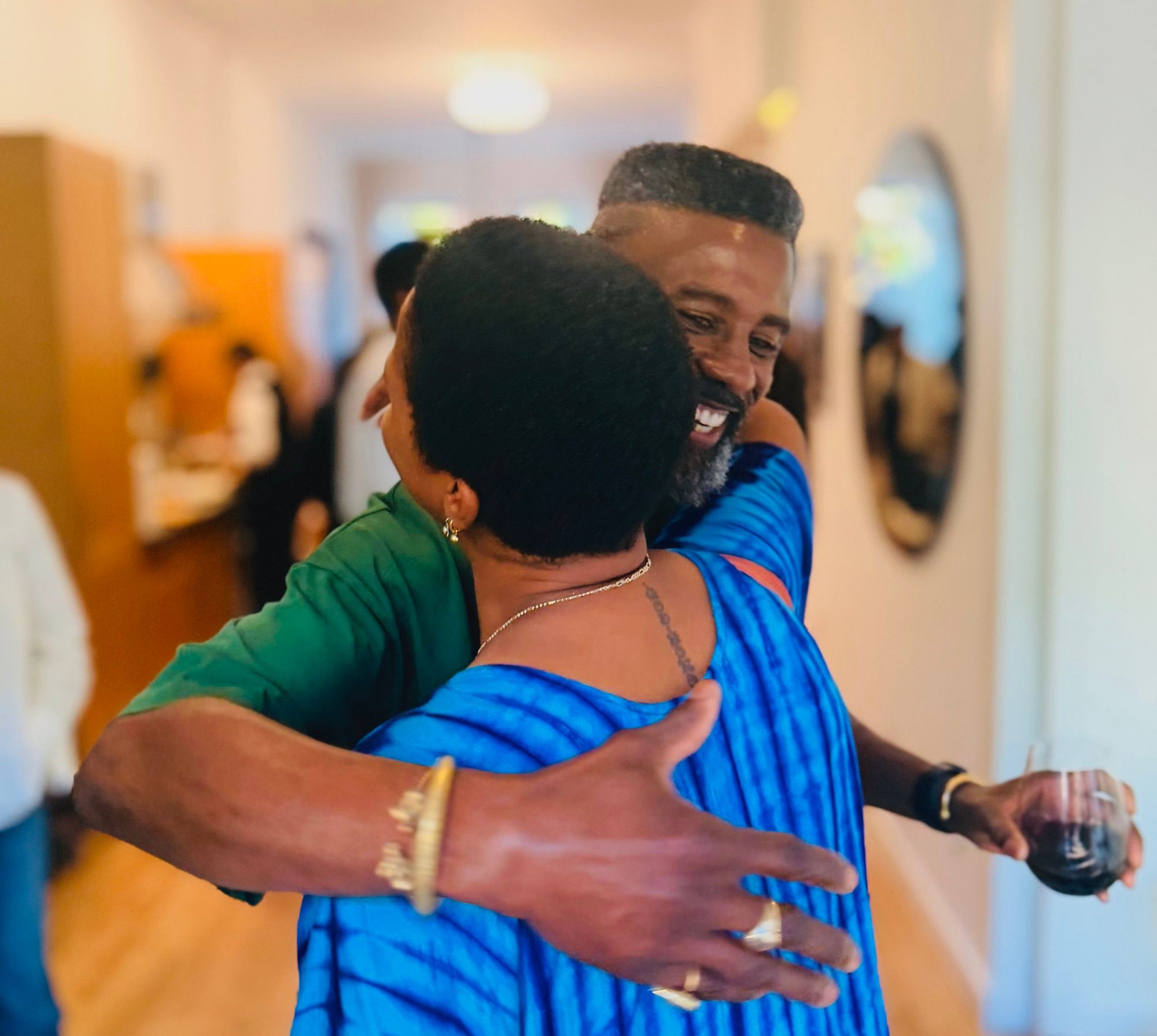
Over the last few months, MOWAA has hosted a series of Listening Sessions across Lagos, Ibadan, London and New York. As part of our ongoing efforts to reflect and exchange, the Listening Sessions invite the public to shape the future of the institution by lending their voices, ideas and critiques. It is grounded in a simple conviction: that museums are not built in isolation, but through ongoing conversation with the publics they serve.
London Listening Session
Hosted in May by MOWAA Development Board member Bimpe Nkontchou, the London session Towards New Cultural Futures for Transatlantic Practice explored how cultural work is being shaped across the African continent and its diasporas. From exhibitions and film to research, we considered what a more equitable transatlantic exchange might look like in practice, and how to navigate questions of legitimacy, consent, and representation across geographies.
New York Listening Session
Hosted by Kemi Ilesanmi (art strategist and community builder), Olumide Wilkey (art patron), and Kwaku Andoh (member of MOWAA's Development Board) in June, we gathered to ask: What does it mean to turn homeward? We listened to candid and informed insights on how to support an institution to carry a powerful, collective vision far into the future. Read curator and writer Folasade Ologundudu’s reflections on the conversation that was held in her short essay here.
How to Build a Museum: Co-Creating Purpose with Young People
With education as a central part of our mission, we engaged with young people to better understand how to design and implement initiatives that serve them. In this special edition of our Listening Sessions, children, their guardians and parents were invited to create through play, while collectively exploring: What would a museum designed by children and families look like? What stories should it tell?
In collaboration with the Centre for Contemporary Arts and Studio P&C, attendees took part in storytelling and hands-on activities engaging touch, smell and active listening, as they shared ideas on what museums are and what they could become.
Forum by Makerspace
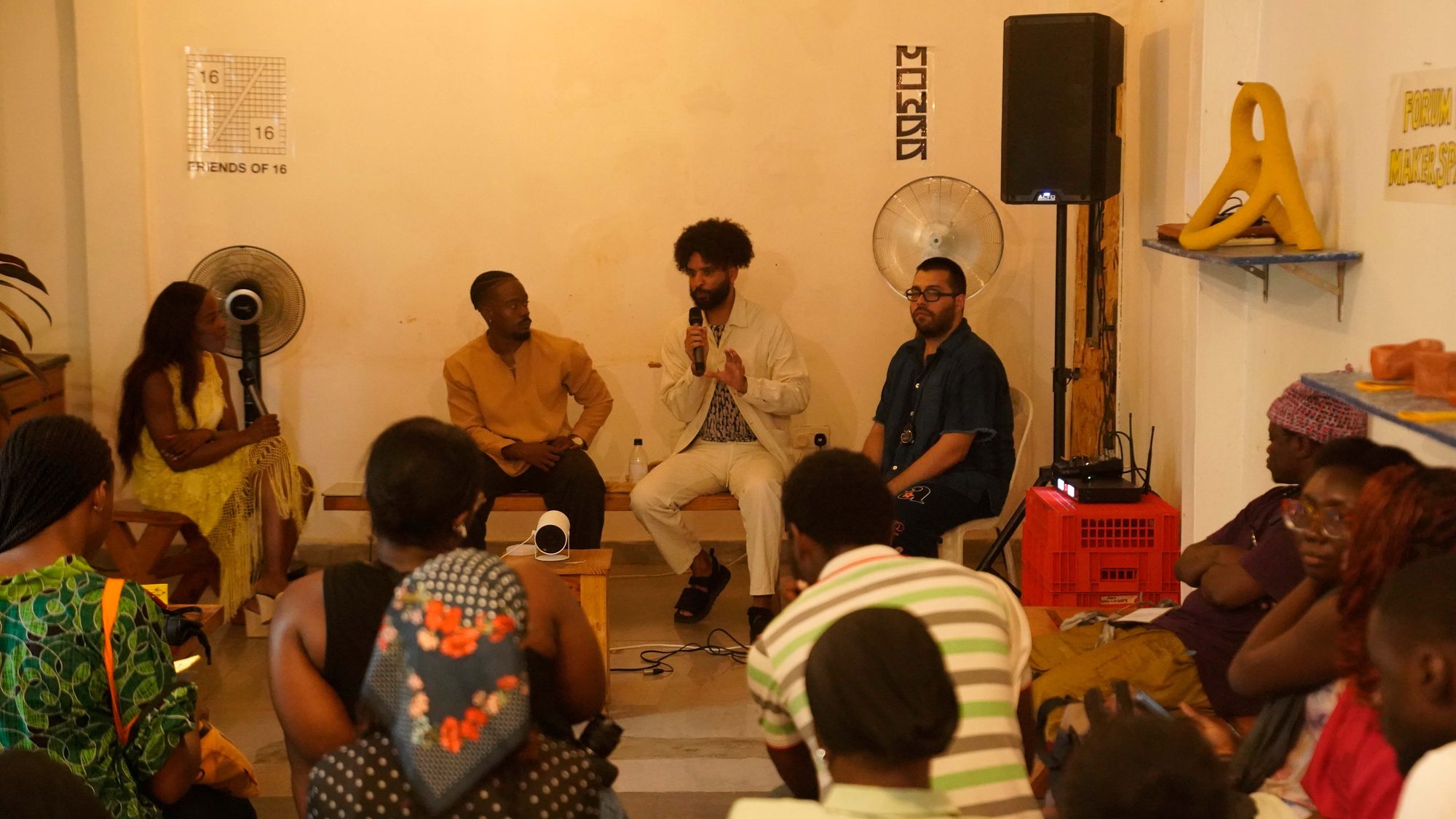
Held in Lagos in collaboration with 16/16 Makerspace, this panel discussion brought together community activators and cultural programmers to explore a compelling question: 'What can a museum learn from a neighbourhood?' The discussion examined how engagement beyond institutional walls can shape curatorial thinking within them, considering how museums might better reflect the organic ways people gather, connect, and create meaning together. Grounded in the idea of "making through learning," the session reflected on how cultural spaces can become responsive sites of coalescence, informed by the communities that surround them.
Collaboration & Connection
MOWAA Launches DRUM Magazine Fellowship
We are delighted to announce, with the support of the Ford Foundation and through our partnership with Bailey’s African History Archive (BAHA), the launch of MOWAA’s DRUM Fellowship, a new interdisciplinary research and public humanities programme dedicated to exploring the rich legacy and enduring influence of DRUM Magazine in West Africa and its wider cultural networks.
The fellowship will support innovative work engaging with archives, media histories and public memory. Through research, workshops, and collaborative programming, fellows will develop new ideas, deepen their practice, and contribute to important discussions on Africa’s cultural and intellectual histories.
Stay tuned for more information!
Details of the call for applications will be announced this month.
Archive Fever II
“Archive Fever II is based on the premise that archives are both a social responsibility and an active, living practice.”
Ore Disu, Director, MOWAA Institute
In April, MOWAA held Archive Fever II, a four-day programme bringing together cultural practitioners, archivists and institutions across Nigeria for a series of exchanges on access, stewardship, material conservation and digitisation. Bringing together public archives and libraries alongside independent practices such as Archivi.ng (Lagos), Center for Democracy and Development (Lagos) and Getty Conservation Institute (Los Angeles), the workshops and forums created space for peer learning and collaboration.
Discussions centred on a shared question: How do we build stronger systems of care for our cultural memory? Shifting across institutional settings — from the G.A.S. Foundation to Centre for Black and African Arts and Civilization (CBAAC) and the National Gallery of Art, Nigeria - each day afforded a different perspective of the dynamism and emerging priorities in Nigeria’s art archival practice.
Archive Fever II is supported by the Embassy of France in Nigeria under the Alternative Heritage Grant.
Archaeology Spotlight
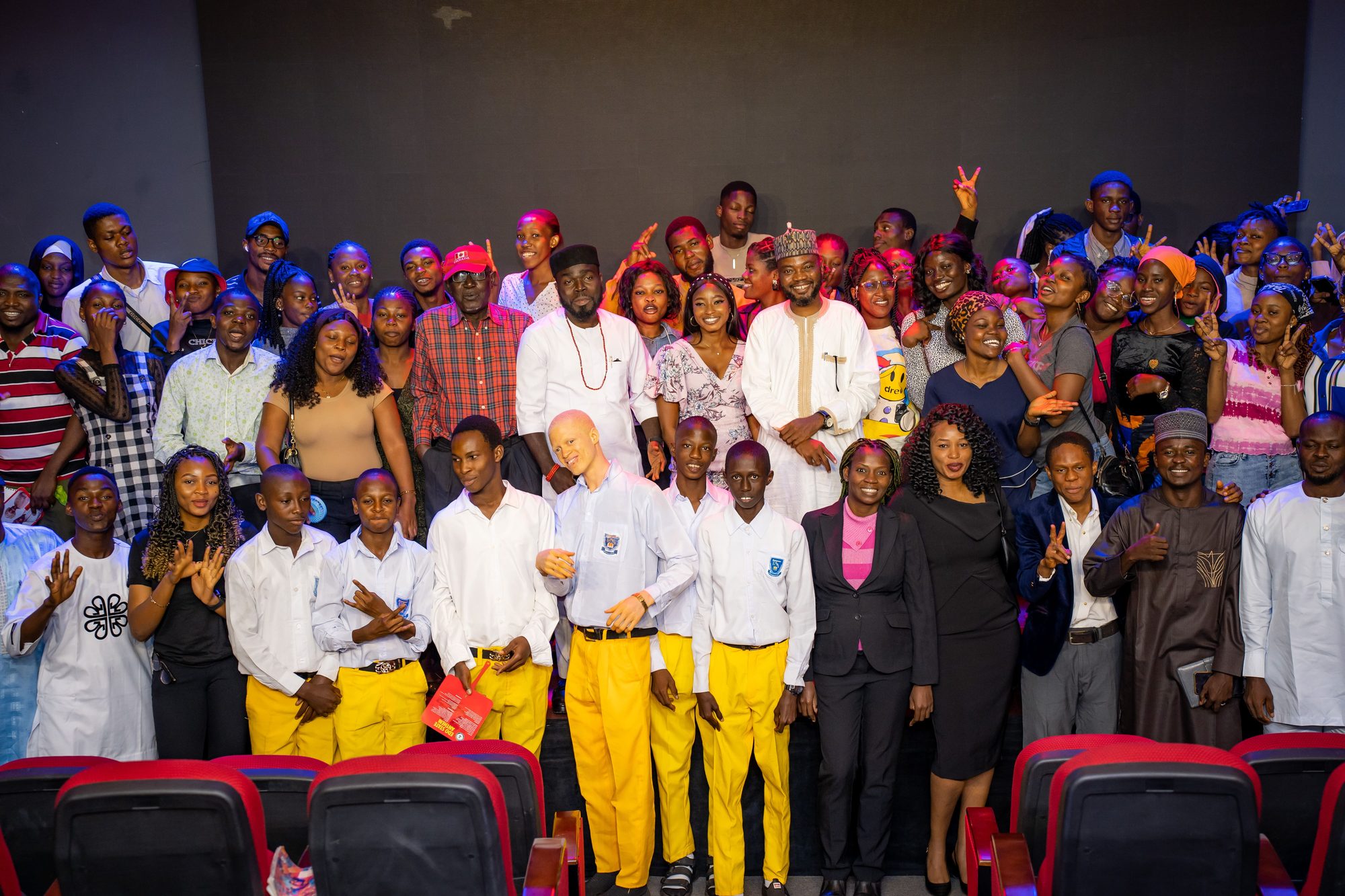
The Unearth Peer Learning Roadshow
The Unearth Fellowship Peer Learning Roadshow journeyed across four university campuses in Nigeria: University of Nigeria, Nsukka; the University of Ibadan, and the University of Jos.
Running from 19 June to 3 July, the Roadshow was built around a portable pop-up exhibition and a series of open peer-learning sessions led by MOWAA’s 16 Unearth fellows. At each university campus, Fellows shared the research, skills, and insights they developed throughout the Unearth programme at MOWAA (Fragments of the Past, 2025/26 Cohort), creating opportunities for engagement with ideas of archaeology and heritage with their wider university communities.
As the roadshow travelled, MOWAA showcased its wider archaeology initiatives and material science capacities, offering a glimpse into our research and conservation work.
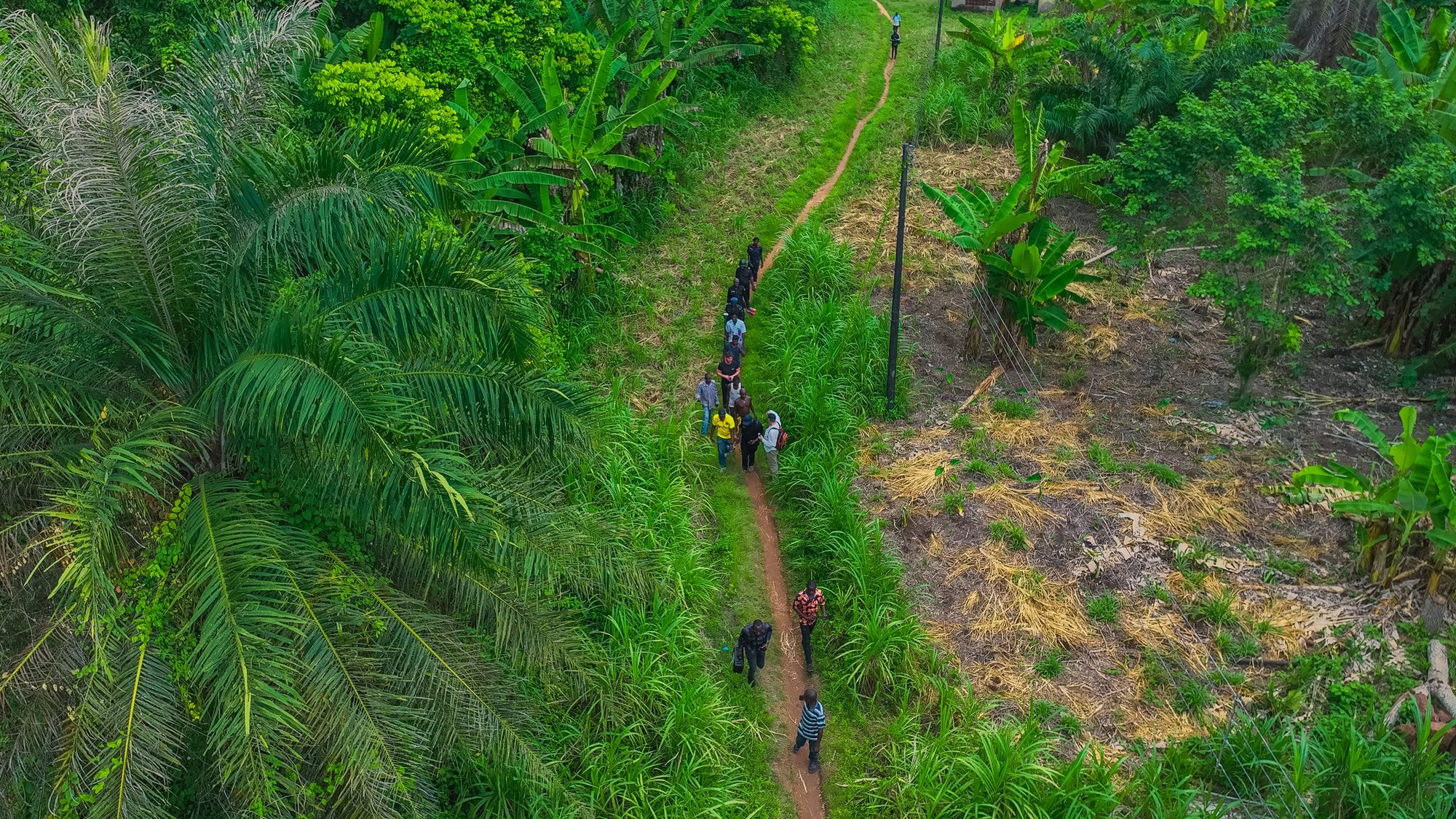
PANAF2026
This year, MOWAA is pleased to be take part in the Pan-African Congress for Prehistory and Related Studies (hosted by the University of Eduardo Mondlane in Maputo, Mozambique). PANAF2026’s theme ‘Discovering African Archaeology and Heritage Without Borders’ asks scholars to consider the common challenges faced by those studying and presenting the African past when considering, designing, and implementing their research projects across two or more neighbouring African countries.
At PANAF2026, MOWAA will put forward research on rethinking African linear earthworks through community and landscape archaeology (Damilare Omogbai, Dr. Pauline von Hellermann, Charles Le Quesne) and non-invasive geophysical investigations (Solomon Jekayinfa, Elizabeth Adegbola, Dr. Segun Opadeji).
Go team.